What to Expect From Emergency Toilet Repair Services: Your Los Angeles County Guide to Urgent Plumbing Calls
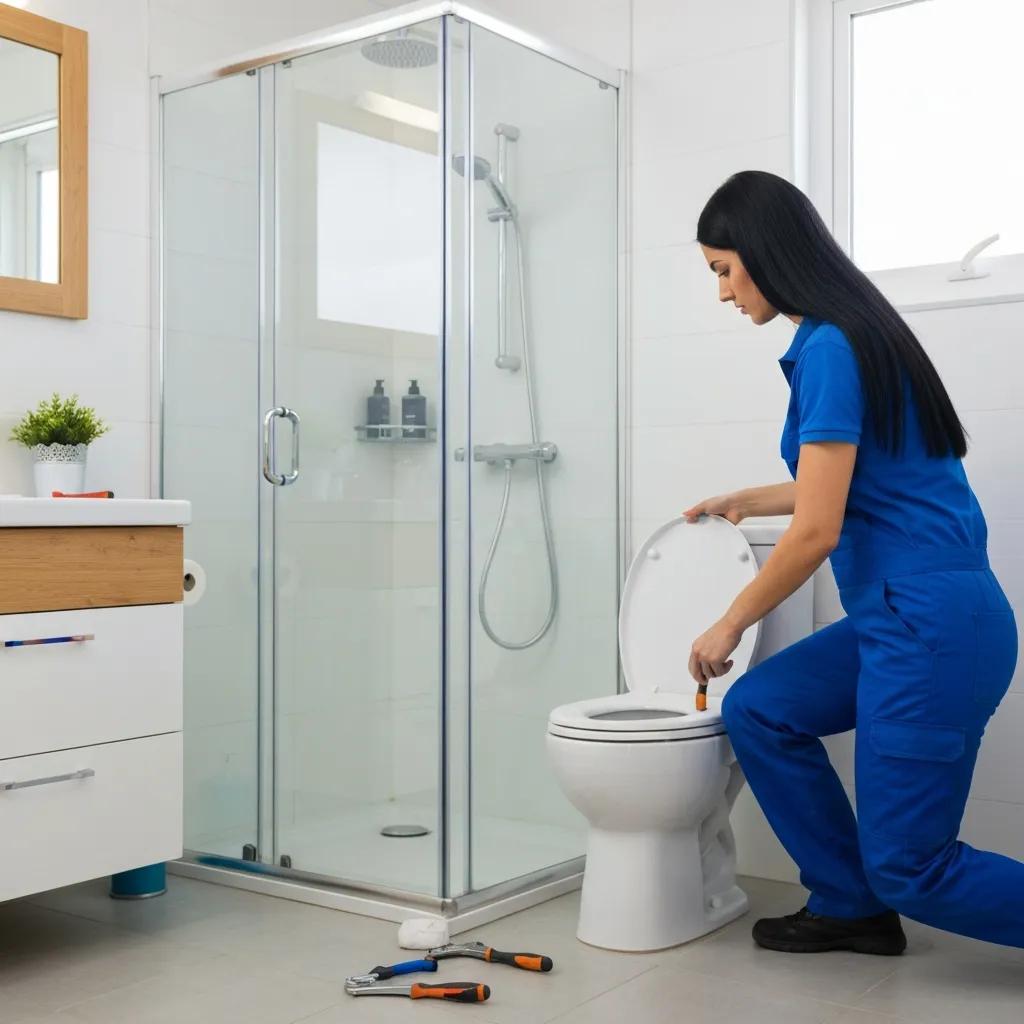
An emergency toilet repair is any toilet failure that threatens property, health, or building systems and needs fast professional attention. Knowing what to expect from an emergency toilet repair service cuts stress, helps you act safely, and speeds the fix when every minute counts. This guide walks through the entire process — from the first emergency call and dispatcher triage to on-site diagnosis, common emergencies, cost expectations, and simple steps homeowners and property managers can take before help arrives. You’ll learn the clear warning signs to call a plumber, how pros evaluate overflows and sewage backups, typical emergency cost drivers, and routine checks that prevent repeat calls. Throughout, we highlight expectations specific to Los Angeles County and how trustworthy providers communicate pricing, licensure, and follow-up so you feel confident before the technician arrives.
How Does the Emergency Toilet Repair Process Work?
Emergency toilet repair follows a predictable workflow: a quick information triage over the phone, prioritized dispatch, on-site assessment and immediate containment, then repair, cleanup, and follow-up. Dispatchers gather key facts that set the priority level and tell the technician which tools and parts to bring — that early information speeds diagnosis and reduces wasted trips. Knowing each stage helps you give the right details on the call and prepare your space so the plumber can work efficiently when they arrive. Below we break the process down into the initial call and typical on-site diagnostic steps.
What Happens During the Initial Emergency Call and Dispatch?
On the first emergency call, the dispatcher will ask for your address, a short description of the issue, access instructions, and any safety concerns. Those details determine how urgently a crew is sent and what equipment they load. Severity cues — active overflow, sewage smell, multiple affected fixtures, or standing water — raise the priority, so clear answers help get the right response fast. While you wait, know where the water shutoff is and take basic containment steps to limit damage. These triage actions directly improve on-site efficiency and lead into the diagnostic checks the technician will perform when they arrive.
How Does the Plumber Diagnose and Assess Toilet Problems?
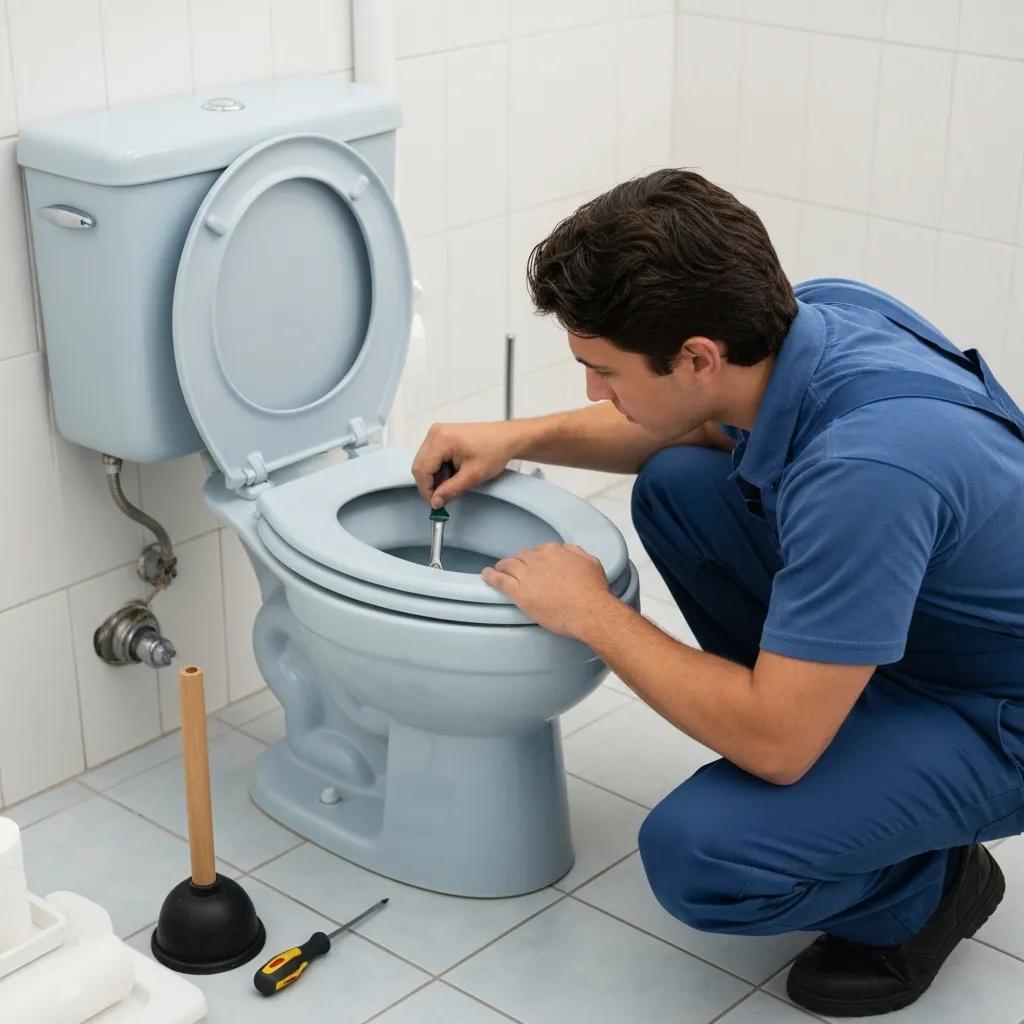
When the technician arrives, they follow a simple, methodical check: visual inspection of the bowl and tank, testing flush and shutoff functions, and looking at nearby drains and the floor for signs of sewer backup or leaks. Common tests — flushing, watching refill cycles, and checking supply-line pressure — help pinpoint whether the problem is a tank part, the trapway, or the sewer line. If signs point to a deeper issue, the tech may recommend advanced diagnostics like a sewer camera to find blockages or root intrusion. A clear on-site diagnosis shortens repair time and tells you whether a quick fix or staged remediation is needed.
What Are the Most Common Emergency Toilet Problems and Their Solutions?
Most toilet emergencies fall into familiar categories: overflowing toilets, severe clogs and backups, supply-line or base leaks, and sewage backups that threaten indoor health. Each has a specific immediate action to limit damage and a professional repair path to reduce recurrence and protect your home. Knowing these common failures helps you choose the right temporary measures and decide when to call a pro versus a safe DIY fix. The sections below cover overflow response and red flags that require professional help.
How to Identify and Respond to Overflowing Toilets Immediately?
An overflowing toilet usually means a blockage in the trapway or a downstream sewer constraint and needs immediate action to stop more water and protect floors and finishes. First, turn off the toilet’s shutoff valve; if it’s stuck or out of reach, shut off the building’s main water supply. Don’t mix chemicals, don’t jam inappropriate tools into the bowl, and contain spills with towels or plastic to limit contamination — these choices reduce further damage and health risk. After you’ve secured the area, call emergency plumbing so a technician can clear the blockage and determine whether a sewer-camera inspection is needed.
Emergency actions to stop an overflow:
- Find and close the toilet shutoff valve to stop incoming water.
- Protect floors by absorbing or containing spilled water with towels or pans.
- Don’t add chemical products or force tools that could compound the blockage.
These steps protect your property and prepare the scene for the technician’s assessment and repair.
When Should You Call a Professional for Severe Clogs and Backups?
Call a professional if backups persist, multiple fixtures are affected, there’s a strong sewage odor, standing water won’t drain, or you see signs of contaminated wastewater — these point to a main sewer problem or deep blockage. Pros bring motorized augers, hydro-jetters, and camera gear to clear and diagnose blockages safely without damaging pipes. Continuing to use plumbing under these conditions risks water damage, mold, and health hazards from sewage exposure, so quick professional action prevents greater loss. After clearing the emergency, the technician will review repair options and recommend preventive steps.
Keeping plumbing systems maintained is essential to reliable water supply and sanitation in buildings.
Problems and Maintenance of Plumbing Systems
Proper maintenance keeps plumbing working — routine inspections, cleaning, and timely repairs help prevent common issues like leaks, clogs, and low pressure. Left unchecked, small problems can turn into major damage, mold growth, and unsanitary conditions that affect occupant health and safety.
Problem Associated with Plumbing and its Maintenance, SG Kamble, 2015
This quick-reference table helps match symptoms to likely causes and the right professional response.
How Can You Prepare for an Emergency Toilet Repair Service Call?
Preparing before the plumber arrives speeds diagnosis, limits damage, and reduces on-site labor. Helpful prep includes locating the shutoff valve, clearing a path to the toilet and access panels, protecting nearby floors and furniture, and gathering details on fixture age or past repairs. A ready space lets the technician focus on the repair instead of logistics, which shortens total response time and often lowers labor costs. The sections below list concrete pre-arrival steps and the information that helps the emergency plumber diagnose the issue faster.
What Essential Steps Should You Take Before the Plumber Arrives?
Before the technician gets there, shut off the toilet water supply, clear a route to the bathroom, and remove rugs or valuables from the area. Protect finishes with plastic or towels, and if it’s safe, mop up standing water to limit seepage into floors. Keep children and pets away and take photos of damage for insurance if needed — before-and-after images support claims. These actions cut down on cleanup and let the plumber begin repairs right away.
Pre-arrival checklist:
- Turn off the toilet’s shutoff valve to stop water flow.
- Clear access to the toilet and remove nearby personal items.
- Contain or soak up standing water to limit further damage.
These prioritized steps give technicians the best starting point for emergency work.
What Information Should You Provide to the Emergency Plumber?
When talking to dispatch or the technician, be concise: say when the problem started, whether other fixtures are affected, any past repairs or recurring issues, the fixture model/age if known, and access constraints like gated complexes or elevators. Clear access notes and repair history shorten diagnostics because technicians can bring appropriate parts or advanced tools like a camera. Also tell them if you used any drain chemicals recently — that affects safe tool selection and worker protection. Accurate details help speed repairs and reduce unnecessary trips.
Having these details ready makes the emergency visit more efficient and lowers the chance of a return trip.
What Are the Typical Costs and Pricing Expectations for Emergency Toilet Repairs?
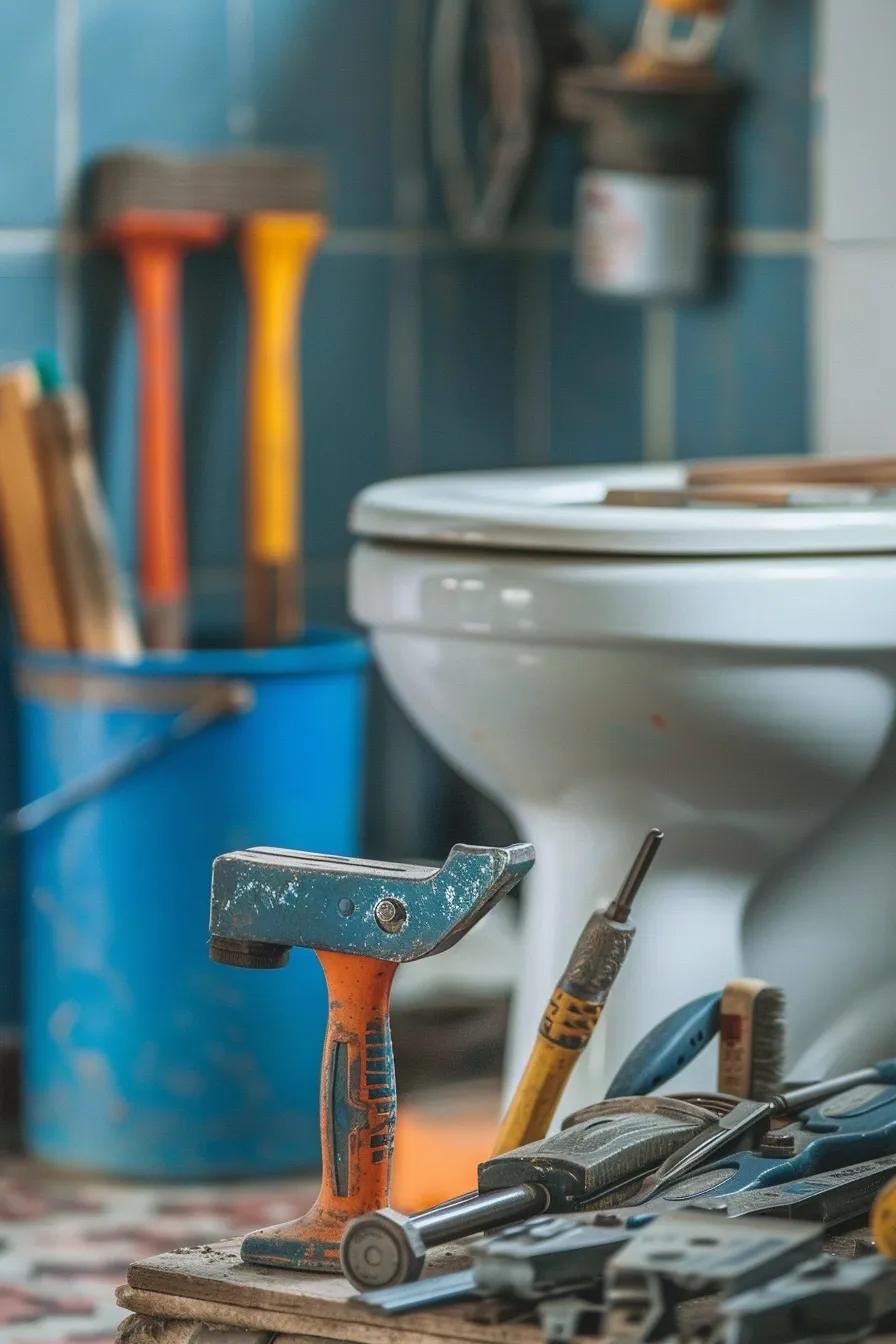
Emergency toilet repair costs depend on labor time, parts, diagnostics, travel distance, and whether the call is after hours or on a holiday. Simple clog clearing usually costs less because it takes less time and few parts, while sewer-line remediation, camera inspection, or major component replacement raises labor and parts expenses. Reputable providers explain these cost drivers and give upfront estimates when possible to avoid surprises. The sections below outline the main cost factors and typical price bands, and explain how trustworthy companies present transparent pricing.
Which Factors Influence Emergency Toilet Repair Pricing?
Labor time and job complexity are the biggest drivers — work that requires excavation, camera inspection, or multiple techs costs more than a brief auger and adjustment. Parts like fill valves, flappers, wax rings, or supply lines add to the bill; specialty fixtures or part backorders can increase cost and time. After-hours callout fees and travel time are additional line items on many emergency invoices. To keep costs down, provide accurate problem details, shut off water promptly to limit damage, and ask for an upfront estimate that lists labor, parts, and any surcharges.
Fixing small plumbing issues early can prevent larger, more expensive failures down the road.
Plumbing Defects in Residential Buildings: Analysis and Maintenance
Preventive maintenance — replacing worn parts, clearing blockages, and inspecting for leaks — reduces the chance of major failures like burst pipes or sewer backups. Addressing minor problems quickly saves homeowners money and stress over time.
Plumbing defects in residential buildings: analysis of anomalies and their causes, A Gurmu, 2023
This table clarifies common cost bands and the factors that typically increase an estimate.
How Does Anytime Rooter Ensure Transparent Pricing and Free Estimates?
As a family-owned plumbing company serving Los Angeles County, Anytime Rooter focuses on clear pricing and provides free estimates where practical, explaining cost drivers before work begins to limit surprises. Their emergency dispatch process emphasizes clarity: licensed technicians explain the diagnosis, offer repair options with estimated costs, and confirm customer approval before starting. Anytime Rooter’s techs are licensed and insured and backed by a satisfaction guarantee — giving customers accountability and a clear path for follow-up if needed. Knowing this process helps you make calm, informed decisions during an emergency.
How Does Anytime Rooter Guarantee Quality and Customer Satisfaction in Emergency Repairs?
Anytime Rooter builds trust by combining licensed, insured technicians with experienced staff and customer-focused guarantees that prioritize safety, transparency, and follow-through. Technicians follow established diagnostic protocols, use proper sanitation for sewage issues, and communicate clearly about scope and timing. Follow-up calls or inspections and written warranties ensure repairs hold up and any needed corrective work is handled promptly. The sections below describe the professional standards and the cleanup and follow-up you should expect from a reputable provider.
What Professional Standards and Certifications Do Our Plumbers Follow?
Licensing and insurance are primary trust signals: licensing verifies technical skills and insurance protects homeowners and workers during emergency work. Experienced techs follow safety rules for sewage handling, wear personal protective equipment, and comply with local building codes for replacements or repairs. Ongoing training in camera inspection, hydro-jetting, and pressure testing keeps technicians current on best practices to limit damage and prevent repeat issues. These standards create predictable results and help you compare providers by objective qualifications.
What Post-Repair Cleanup and Follow-Up Can Customers Expect?
After emergency repairs, you should expect a thorough cleanup that addresses debris and surface sanitation where sewage was present, plus removal of replaced parts and packaging. Technicians typically document the work with photos and an itemized invoice for your records and insurance. Reputable companies schedule follow-up checks or calls to confirm the repair and answer maintenance questions. Warranties and satisfaction guarantees are explained at service time so you understand the scope and timeframes for any corrective work. This follow-up care protects your home and supports a lasting fix rather than a short-term patch.
These follow-up steps finish the emergency workflow and connect to preventive measures that reduce future incidents.
How Can Preventative Maintenance Reduce Emergency Toilet Repairs?
Preventative maintenance focuses on common failure points — tank parts, supply lines, wax rings, and sewer-line health — so minor issues are fixed before they become emergencies. Regular checks and simple homeowner inspections catch worn flappers, slow leaks, and early corrosion, lowering the chance of overflow or base leaks that lead to costly, urgent repairs. Professional maintenance plans add value with scheduled inspections, priority service for emergencies, and early detection of sewer problems. Below we cover DIY checks and how maintenance plans protect your property.
What Regular Checks and DIY Tips Help Avoid Toilet Emergencies?
Monthly or quarterly checks reduce risk: listen for running water that indicates a bad fill valve, inspect visible supply lines and tank parts for moisture or corrosion, and test the shutoff valve to make sure it turns. Use gentle unclogging methods — plungers and hand augers — instead of harsh chemicals that can harm seals and pipes; reserve chemicals for non-emergency maintenance and follow product instructions. Track recurring symptoms so a professional can see patterns and make targeted repairs before an emergency develops. These routine habits extend fixture life and cut down on urgent callouts.
Preventative maintenance checklist:
- Test and operate the toilet shutoff valve quarterly to ensure it works.
- Inspect visible supply lines and tank components for leaks or corrosion.
- Use a plunger for minor clogs and avoid repeated chemical treatments.
Doing these simple checks helps you catch problems early and keep your plumbing reliable.
How Do Anytime Rooter’s Maintenance Plans Protect Your Property?
Anytime Rooter’s maintenance plans emphasize scheduled inspections by licensed technicians that spot worn parts and early sewer or fixture problems, and they include priority scheduling to reduce emergency exposure. Regular inspections catch small leaks, failing shutoff valves, and developing sewer issues that, when addressed early, lower emergency callouts and long-term repair costs. While plan details vary, the core benefit is proactive detection plus faster response when emergencies happen — helping property owners protect continuity and reduce lifetime plumbing expenses.
- Key homeowner actions to reduce emergencies: do regular checks, avoid harsh chemicals, and schedule professional inspections.
- Professional interventions: hire licensed technicians for camera inspections and major repairs to prevent recurring problems.
- Service expectations: insist on transparent estimates, documented work, and follow-up guarantees to ensure lasting results.
Combining preventive checks and professional care significantly lowers the number and severity of toilet emergencies and sets clearer expectations when urgent help is needed.
Frequently Asked Questions
What should I do if my toilet is overflowing?
If your toilet is overflowing, first shut off the water at the toilet shutoff valve. If that’s not possible, turn off the building’s main water. Contain the overflow with towels or buckets to protect floors and avoid spreading contamination. Don’t pour chemicals into the bowl or force tools that could make the clog worse. Once the area is secure, call an emergency plumber for safe, effective clearing and cleanup.
How can I prevent toilet emergencies in the future?
Prevent emergencies with regular checks: inspect for leaks, test the shutoff valve, and stop flushing anything but waste and toilet paper. Use a plunger for minor clogs and avoid frequent use of harsh chemical cleaners. Schedule professional inspections to catch issues early — small repairs now often prevent costly emergencies later.
What are the signs that I need to call a plumber?
Call a plumber when a plunger won’t clear a clog, multiple fixtures back up, you notice a persistent sewage smell, or water pools and won’t drain. Visible leaks around the toilet base or recurring problems also warrant professional attention. Acting quickly prevents water damage, mold, and health risks.
How long does an emergency toilet repair typically take?
Repair time depends on complexity. A simple clog can take under an hour; more complex jobs — sewer-line blockages or parts replacement — can take several hours. Technician experience, part availability, and the severity of the issue all affect timing. Ask your plumber for a time estimate on arrival.
Are emergency plumbing services available 24/7?
Many emergency plumbing services operate 24/7, including nights and weekends, but availability and fees vary by company. Confirm hours and any after-hours surcharges when you call so you know what to expect. Having a trusted 24/7 provider gives peace of mind for urgent situations.
What should I expect in terms of costs for emergency toilet repairs?
Costs vary based on the problem, time of day, and parts required. Basic unclogging is usually the least expensive; sewer repairs and diagnostics cost more. Request a detailed estimate before work starts so you understand labor, parts, and any emergency or travel fees. Transparent providers explain these costs up front.
How can I ensure the plumber is qualified and trustworthy?
Verify a plumber’s license and insurance to protect both parties. Check reviews and ask about experience with emergency work. A trustworthy plumber will explain their diagnostic process, provide an estimate, and communicate clearly throughout the job. Licensed, insured, and well-reviewed technicians are the safest choice.
Conclusion
Knowing the emergency toilet repair process helps you act quickly and confidently during a plumbing crisis. With the right steps — shutting off water, containing spills, and giving clear information to dispatch — you can limit damage and speed a professional resolution. Don’t wait for an emergency: take simple preventive actions today and save the contact of a trusted local plumber so help is ready when you need it.