Common Toilet Problems You Shouldn’t Ignore — Repair & Prevention Guide
A failing toilet can quietly waste water, ruin flooring, and turn into an expensive repair if you let it go. This guide highlights the most common toilet problems homeowners and property managers should spot and address fast. You’ll learn how to recognize running toilets, clogs, leaks, weak flushes, and wobbly fixtures, what’s usually causing each issue, and safe DIY checks to try before you call a pro. We’ll also explain which repairs are urgent, why early action saves water and prevents structural damage, and share practical maintenance tips to cut down future problems. If you’re in Los Angeles County and DIY isn’t enough, 24/7 professional help from Anytime Rooter is available. Read on for clear diagnostics, step-by-step fixes, quick decision checklists, and easy reference tables to guide your next move.
Why Your Toilet Runs — Causes and How to Fix Them
A running toilet means water keeps flowing from the tank into the bowl, wasting water and often raising your bill. The usual culprits are a flapper that won’t seal, a sticky or clogged fill valve, or the float set too high or too low. Knowing the role of each part—the flapper that seals the flush, the fill valve that refills the tank, and the float that tells the valve when to stop—helps you target the repair. Start with simple checks like the food-coloring leak test to confirm a slow leak, then inspect the chain, the flapper seat, and the float adjustment. Below are quick diagnostics and prevention tips to stop the leak and save water, with deeper component details after that.
How to Spot a Running Toilet
A running toilet usually gives audible clues—continuous hissing, the tank refilling often, or a faint steady trickle after flushing. You may also notice an unexplained jump in your water bill or see the tank waterline move between flushes. The fastest home test is food coloring: add a few drops to the tank; if colored water shows up in the bowl without a flush, the flapper or seal is leaking. Drips at the overflow tube or frequent small refills point to the fill valve or float. These signs tell you whether you can try a DIY fix or should plan for a parts replacement or professional service.
How Flapper and Fill Valve Problems Make a Toilet Run
The flapper seals the tank to the bowl. Over time it can harden, warp, or collect mineral deposits and stop sealing properly. The fill valve controls incoming water and can stick or clog with sediment so it doesn’t shut off when the tank is full. A mis-set or stuck float can also keep the valve open. Though the symptoms may sound similar, each fault needs a different fix: replace a worn flapper, clean or replace a dirty fill valve, or adjust/replace the float. Regular checks and replacing worn parts proactively will stop wasteful running and keep your toilet working well.
Try the DIY checks and small adjustments first. If you confirm a worn flapper or a failing fill valve, or the problem continues after adjustments, get professional service to secure a lasting repair.
How to Clear a Clogged Toilet — Safe, Stepwise Approach
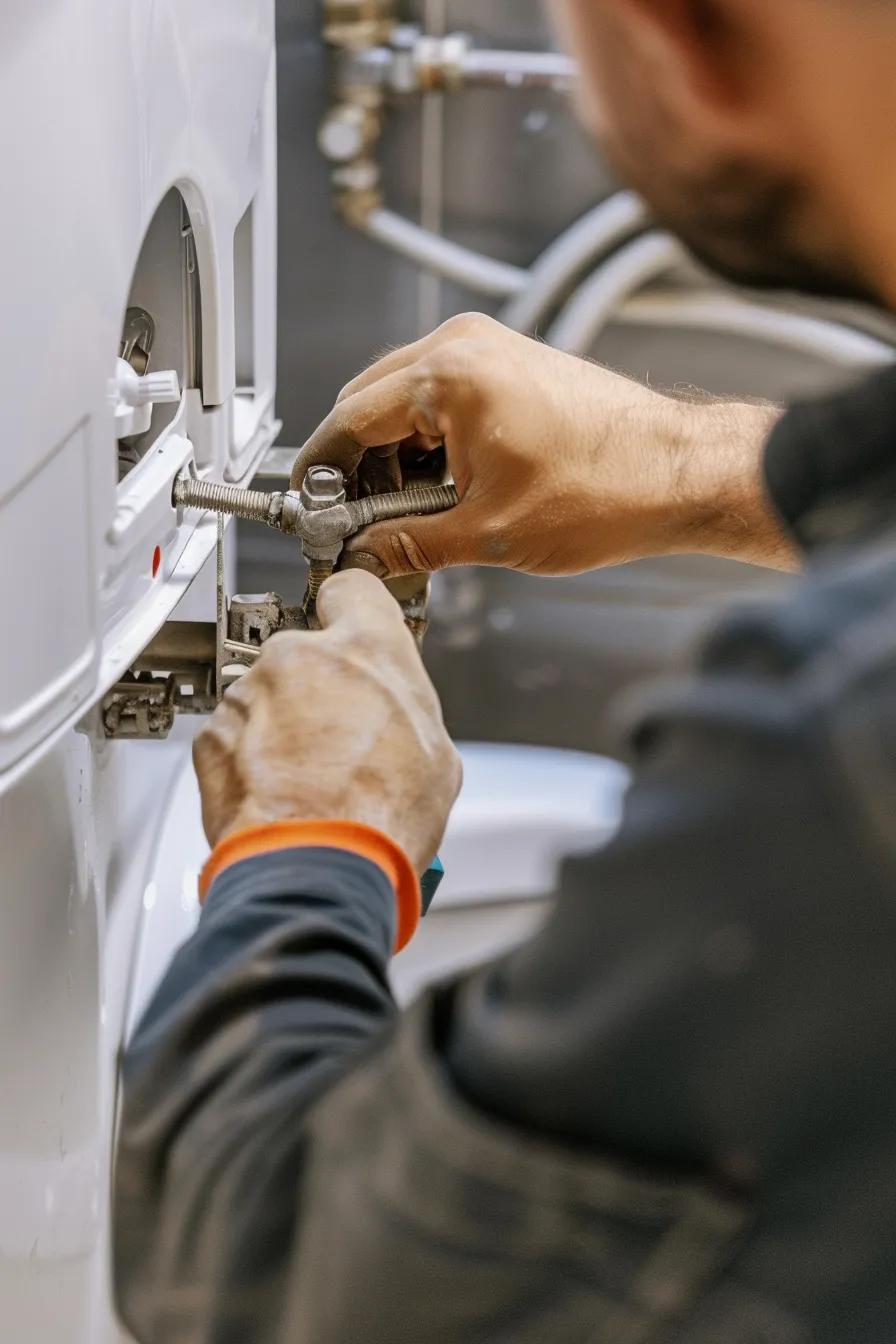
A clogged toilet can be a simple bowl blockage or a sign of a main sewer problem. Start with safe, step-by-step actions and only escalate when needed. First, use a good flange plunger to get pressure and break up the clog. If that fails, try a closet auger. Ongoing or recurring blockages can mean deeper sewer issues that need camera inspection or professional hydrojetting. Keep safety in mind: wear gloves, avoid mixing chemicals, and keep kids and pets away. Below is a ranked approach to clear clogs while avoiding damage and unnecessary service calls.
What Common Things Cause Toilet Clogs?
Most clogs come from too much toilet paper, flushed wipes or foreign items, or buildup of hair and sediment that narrows the drain. If multiple fixtures back up, the problem is likely in the shared sewer line, not the toilet itself. Local clogs usually show as slow draining or air bubbling in the bowl after a flush; backups in other drains point to the mainline or root intrusion. Habits like flushing wipes or excess paper cause repeated clogs, and older cast-iron or misaligned pipes tend to collect buildup over time. Figuring out whether the clog is local or systemic tells you whether to continue DIY steps or call a pro.
When to Snake Versus When to Hydrojet
Use a closet auger (snaking) when the obstruction is in the toilet trap or the nearby drain and you can reach it mechanically. Hydrojetting—high-pressure water cleaning—is for heavy buildup, grease, scale, or root intrusion in the sewer and should be done by professionals. Snaking works well for hair, paper, and small blockages, but repeated snaking without long-term results suggests hardened deposits or mainline problems that hydrojetting can handle. Hydrojetting scours pipe interiors and often restores long-term flow, but it must be done by experienced crews to avoid damaging older lines. If snaking fails repeatedly or several fixtures back up, move to camera inspection and pro intervention.
The safest order to try is:
- Plunge with a flange plunger to create a seal and apply steady pressure.
- Use a closet auger to reach deeper in the trap if plunging fails.
- Call a professional for hydrojetting or sewer-line repair when clogs recur, multiple fixtures back up, or you suspect roots or heavy scale.
Best Fixes for a Leaking Toilet
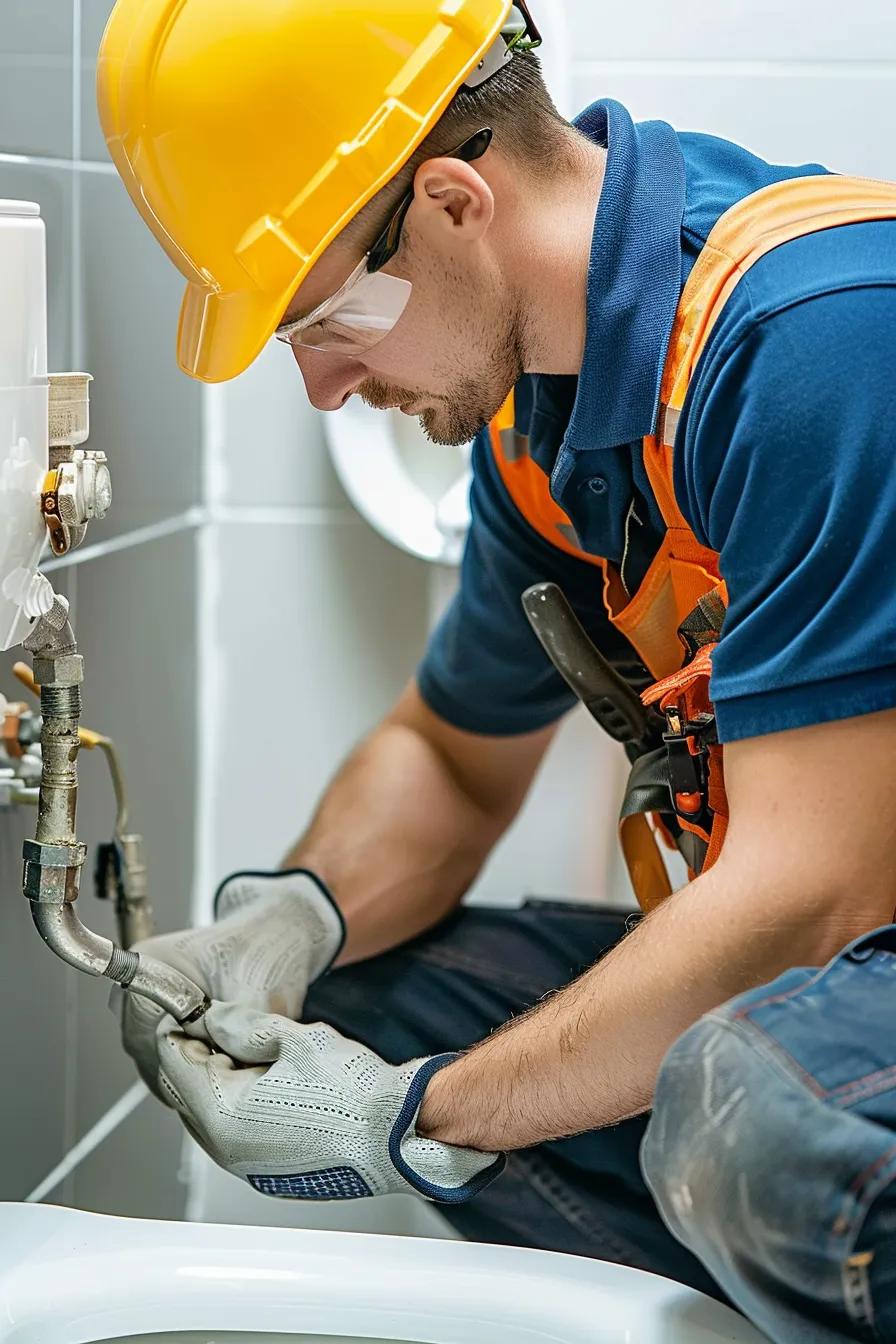
Leaks can start at the base, the tank, or the supply line. Finding the source is the key to the right repair and preventing structural damage. Base leaks usually point to a failed wax ring, a damaged flange, or a wobbly toilet that breaks the seal. Tank leaks can come from cracked porcelain, bad tank-to-bowl gaskets, or loose bolts. Supply line leaks show up as wetness near the connection or corrosion at fittings. First step: shut off the water at the shutoff valve and place towels to limit spread. Then inspect to see if you need a simple part swap or a structural repair.
How to Tell If the Leak Is at the Base, Tank, or Supply Line
Check where the water shows up. Water around the base, soft or discolored flooring, or a wobble suggest a wax ring or flange problem. Water pooling between the tank and bowl or a constantly refilling tank usually means a tank gasket or bolt leak. Supply line leaks show wetness at the flexible hose or shutoff valve and may have corrosion or mineral buildup at the fitting—dry the area and use paper towels to locate the active drip. A tank dye test with food coloring helps distinguish internal tank leaks from external leaks at the supply or base. Quick identification points you to either a straightforward parts replacement or removing the toilet to inspect the wax ring and flange.
When to Replace the Wax Ring or Repair the Supply Line
Replace the wax ring when base leakage is confirmed and the flange and subfloor are sound. That requires removing the toilet, inspecting the flange, and seating a new ring to restore a watertight seal. If the supply line fitting is corroded, cracked, or leaking under pressure, replacing the flexible hose or tightening the compression fitting usually fixes it. If the shutoff valve, supply stub, or subfloor is damaged, you may need a more involved valve or carpentry repair. When you find subfloor rot, a broken flange, or cracked porcelain, call a professional—these repairs mix carpentry with plumbing. Correct diagnosis helps you replace only the failed part and avoid repeat leaks.
If a leak continues after tightening or replacing basic parts, or you find soft subflooring, schedule professional help to stop further water damage.
Why Your Flush Is Weak and How to Troubleshoot It
A weak flush leaves waste behind and usually means reduced flow from rim jet clogs, low tank water level, a partial drain blockage, or flapper problems that limit release volume. Start by checking the tank water height, watch the flapper during a flush to see if it lifts fully, and inspect rim jets for mineral buildup. Fixes include cleaning rim jets, raising the tank water to the manufacturer mark, ensuring the flapper opens fully, and clearing partial blockages in the trap or drain. Mineral buildup in the rim or siphon jet reduces the siphon action that finishes the flush, so routine descaling helps maintain performance. The steps below give a practical order to restore proper flushing.
How Rim Jet Clogs and Water Level Cause Weak Flushes
Rim jet clogs happen when minerals gather in the tiny holes under the bowl rim and block the water flow that starts the siphon. A tank water level set too low reduces the volume available for each flush. Cleaning rim jets with a wire or descaling solution and adjusting the fill valve so the tank refills to the correct height usually restores flush power. Regular maintenance prevents mineral-related loss and means you won’t replace parts prematurely.
Can Flapper Problems Reduce Flush Strength?
Yes. If the flapper doesn’t lift fully or closes too soon, it limits how much water releases into the bowl and weakens the siphon effect. Watch the flapper during a flush to check its travel and make sure it moves freely. Fixes include adjusting chain length so the flapper opens fully, replacing a warped or deteriorated flapper, and ensuring the flush lever isn’t binding. In some older toilets, upgrading the flapper or installing a larger flush valve improves performance. Proper flapper action directly affects how well each flush clears the bowl.
If cleaning and adjustments don’t bring back flush power, check for partial drain obstructions or worn internal parts and consider a professional inspection for persistent problems.
How to Safely Repair a Wobbly Toilet
A wobbly toilet usually means loose closet bolts, a broken or corroded flange, or a rotted subfloor. Fix the wobble quickly to prevent seal failure, leaks, and further floor damage. Start with a wiggle test: press gently on the bowl to find movement, then check bolt caps and the base for gaps. If the flange and subfloor are sound, tightening bolts to the correct torque can stabilize the fixture. If the flange is cracked or the subfloor is soft or rotted, you’ll need flange replacement or subfloor reinforcement—work that requires removing the toilet to inspect the structure. Doing repairs safely preserves the wax ring seal and keeps the fixture watertight.
Common Causes of a Wobbly Toilet: Bolts, Flange, and Subfloor Damage
Corroded or loose closet bolts let the toilet move side to side. A cracked flange or rotted subfloor removes the solid mounting surface the toilet needs. Both create a noticeable wobble and can break the wax seal over time. Quick checks include removing bolt caps to inspect bolts, looking for cracks in the flange, and probing the floor around the base for softness or discoloration that signals moisture damage. Temporary shimming can stabilize the bowl briefly, but a lasting fix addresses the flange or subfloor problem. Identifying whether the issue is mechanical (bolts/flange) or structural (subfloor rot) determines your repair plan.
When to Replace the Wax Ring or Reinforce the Subfloor
Replace the wax ring whenever you remove the toilet or when there’s base leakage and the flange/subfloor are sound; a new wax ring restores a proper seal and keeps sewer gas and water out. Reinforce or replace the subfloor if you find rot, soft spots, or structural failure under the flange. That work includes cutting out damaged material, installing new plywood or blocking, and attaching a replacement flange securely. Because subfloor repair combines carpentry and plumbing, get professional help if the damage extends beyond the flange area to ensure a durable result.
If you’re unsure about the subfloor after removing the toilet, have a professional evaluate it to avoid repeat failures and protect your flooring investment.
When to Call a Professional for Toilet Repairs
Calling a licensed plumber at the right time keeps small problems from becoming emergencies and ensures repairs meet code. Call a pro for major continuous leaks, sewage backups, structural damage, repeated clogs, or any repair that requires flange, subfloor, or mainline work. Pros bring diagnostic tools like camera inspection and professional hydrojetting, and they can replace critical components and perform structural fixes safely. If you face flooding, persistent sewer odor, or rot under the floor, shut off the water and seek immediate service to reduce damage and health risks. The checklist below helps homeowners and property managers decide when to escalate to professional help.
Which Toilet Issues Need 24/7 Emergency Plumbing?
Get emergency service right away for active flooding from a toilet base or tank that threatens floors and belongings, sewage backup into the building, or severe structural compromise around the toilet that risks collapse or rapid water spread. Immediate actions include shutting off the toilet shutoff valve, avoiding use of affected fixtures, and containing the area with towels or barriers until a licensed technician arrives. Emergency response focuses on securing the water source, containing contamination, and prioritizing repairs to protect people and property. If you’re unsure about safety or damage extent, call emergency plumbing services without delay.
Emergency indicators include:
- Major continuous leaks flooding floors.
- Sewage backup or strong sewer odor inside the property.
- Structural compromise near the toilet (soft floors or collapse risk).
How Anytime Rooter Handles Trusted Toilet Repair in Los Angeles County
Anytime Rooter is a family-owned plumbing company serving homeowners and property managers across Los Angeles County. We offer Toilet Repair & Service, 24/7 emergency response, free estimates, transparent pricing without sales quotas, and a satisfaction guarantee—so you know what to expect and get reliable results. Our local crews are ready to diagnose and resolve urgent issues like major leaks, sewer backups, or structural problems quickly and clearly. When a job is beyond safe DIY—persistent leaks, repeated clogs, or subfloor damage—our licensed technicians handle repairs promptly, safely, and with straightforward communication.
Simple preventive steps cut emergency calls and lengthen toilet life:
- Inspect tank internals regularly and clean rim jets to prevent weak flushes.
- Don’t flush wipes or foreign objects to avoid clogs and sewer stress.
- Test for running toilets monthly with a food-coloring test to find leaks early.
These routines reduce risk and keep many repairs within easy DIY scope, while clear emergency signs tell you when to call a professional.
Toilet Maintenance: Flushing and Hose Replacement Tips
Flush the toilet longer when needed; replace the hose if it’s compromised; shorten the hose run where possible. 4A.
Maintenance, 2009
Frequently Asked Questions
What preventive maintenance can I perform to avoid toilet issues?
Regular checks prevent most common problems. Look inside the tank for worn parts, clean rim jets to keep flush power, and avoid flushing wipes or foreign items. Run a food-coloring test once a month to spot running toilets early. Small, regular checks stop many issues before they become costly.
How can I tell if my toilet needs professional repair?
Call a professional if leaks keep returning, clogs happen frequently, or you notice structural problems around the base. Water pooling at the floor, a strong sewer smell, or a noticeably wobbling toilet are signs a licensed plumber should evaluate the situation. Sewage backups or flooding are emergencies—get help right away.
What should I do if my toilet is overflowing?
If your toilet is overflowing, shut off the water at the shutoff valve behind the toilet to stop more water. Try to clear the blockage with a plunger, making a firm seal. Don’t mix chemical drain cleaners; they can damage pipes. If plunging fails, use a closet auger or call a professional to avoid water damage and ensure a safe fix.
Can I use chemical drain cleaners for toilet clogs?
We generally advise against chemical drain cleaners for toilets. They can harm plumbing, especially older pipes, and produce hazardous fumes or reactions. Mechanical methods like plunging or snaking are safer, or call a plumber for stubborn clogs.
What are the risks of ignoring toilet leaks?
Unchecked leaks can cause flooring damage, mold growth, and higher water bills. Over time, leaks can rot the subfloor and lead to expensive repairs. They also create unsanitary conditions and unpleasant odors. Fixing leaks early protects your home and wallet.
How often should I inspect my toilet for maintenance?
Inspect your toilet at least every six months. During checks, look for leaks, test tank components, and clean mineral buildup from rim jets. Monthly running-toilet tests with food coloring are a good habit. Regular maintenance keeps small problems from becoming big ones.
Conclusion
Fixing common toilet issues early saves water and prevents costly, disruptive repairs. Knowing the signs of running toilets, clogs, leaks, weak flushes, and wobbles lets you take the right action—whether a quick DIY or a call to a pro. If you’re in Los Angeles County and need help beyond home fixes, Anytime Rooter is available to provide fast, reliable service. Keep these tips handy to keep your toilet working reliably.