Top Signs You Need Urgent Gas Leak Repair — Don’t Ignore These Warnings
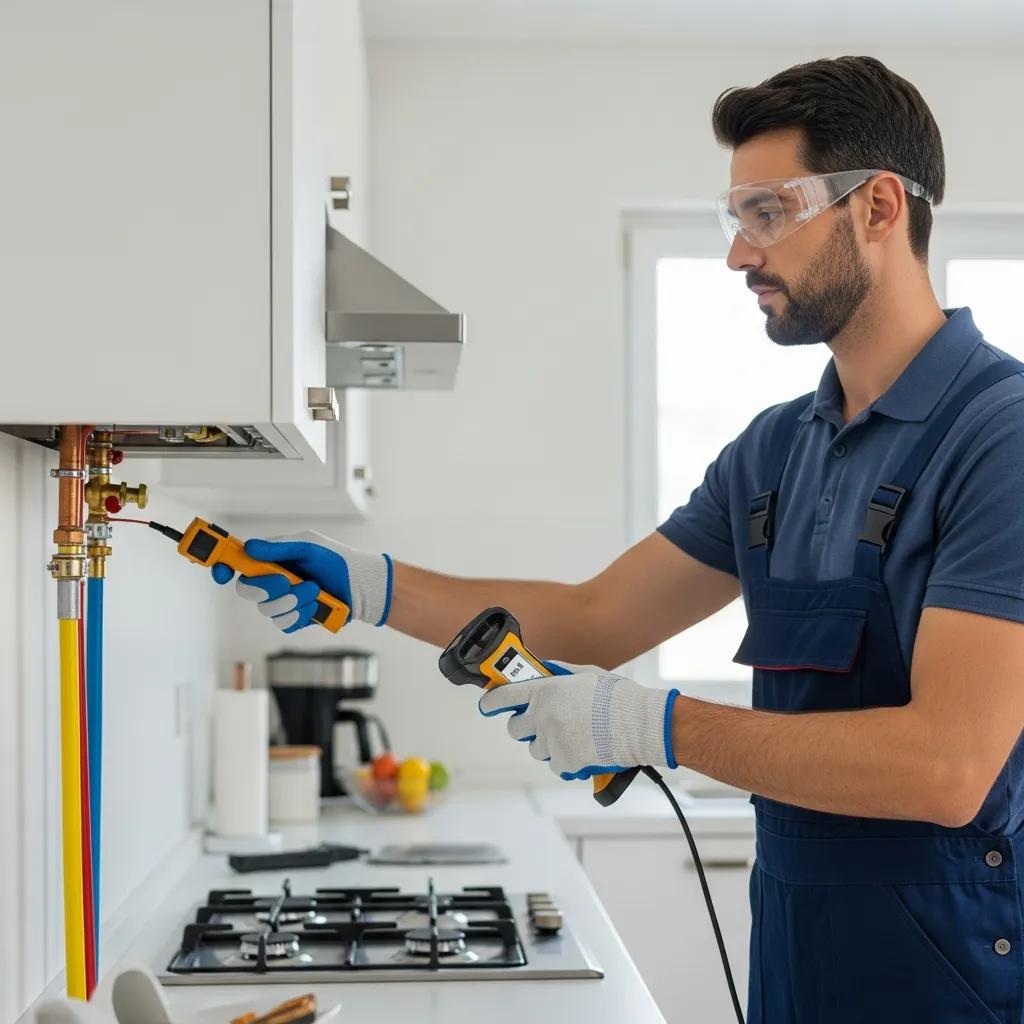
Gas leaks are dangerous and can escalate fast. This guide walks you through the clearest warning signs that mean you should call for urgent gas leak repair services. Knowing what to watch for — the smell, sounds, visual clues, and physical symptoms — helps you act quickly and keep your family safe. We’ll also cover the immediate steps to take if you suspect a leak so you know exactly what to do.
Early detection matters. Research underscores how household gas leaks can lead to fires and exposure risks if not found and repaired promptly.
Household Gas Leak Risks & Enhanced Detection
Natural gas leaks in homes can increase the risk of fires and expose occupants to harmful gas. That makes improving detection methods — from better sensors to smarter monitoring — an important safety priority.
Enhancing gas leak detection with iot technology: An innovative approach, T Babu, 2024
What Is the Distinctive Smell That Signals a Gas Leak?
The most common and reliable sign is a sulfur- or rotten-egg smell. Natural gas by itself is odorless, so utilities add an odorant called mercaptan. That strong, sulfur-like scent is there to help you notice a leak quickly and take action.
Why Does Natural Gas Smell Like Rotten Eggs?
Because raw natural gas is odorless, companies add mercaptan to make leaks detectable. Mercaptan has a pungent, unpleasant scent — often compared to rotten eggs — which is intentional so you’ll notice even small leaks and respond before the situation gets dangerous.
Detection tools continue to improve, making it easier to spot these odorants in the field.
Portable Detection of Natural Gas Odorants
New detection platforms tackle the challenge of identifying mercaptans — the compounds used to odorize natural gas — and improving on-site monitoring of those odorant levels.
Portable chemical detection platform for on-site monitoring of odorant levels in natural gas, S Fung, 2023
How to Recognize the Sulfur-Like Odor in Your Home
Check around gas appliances — stoves, water heaters, furnaces — and near the gas meter. If you smell a strong sulfur or rotten-egg odor, leave the area, get fresh air, and don’t switch anything electrical on or off. Avoid open flames and call a professional right away.
How Can You Detect Hissing or Whistling Sounds Indicating a Gas Leak?
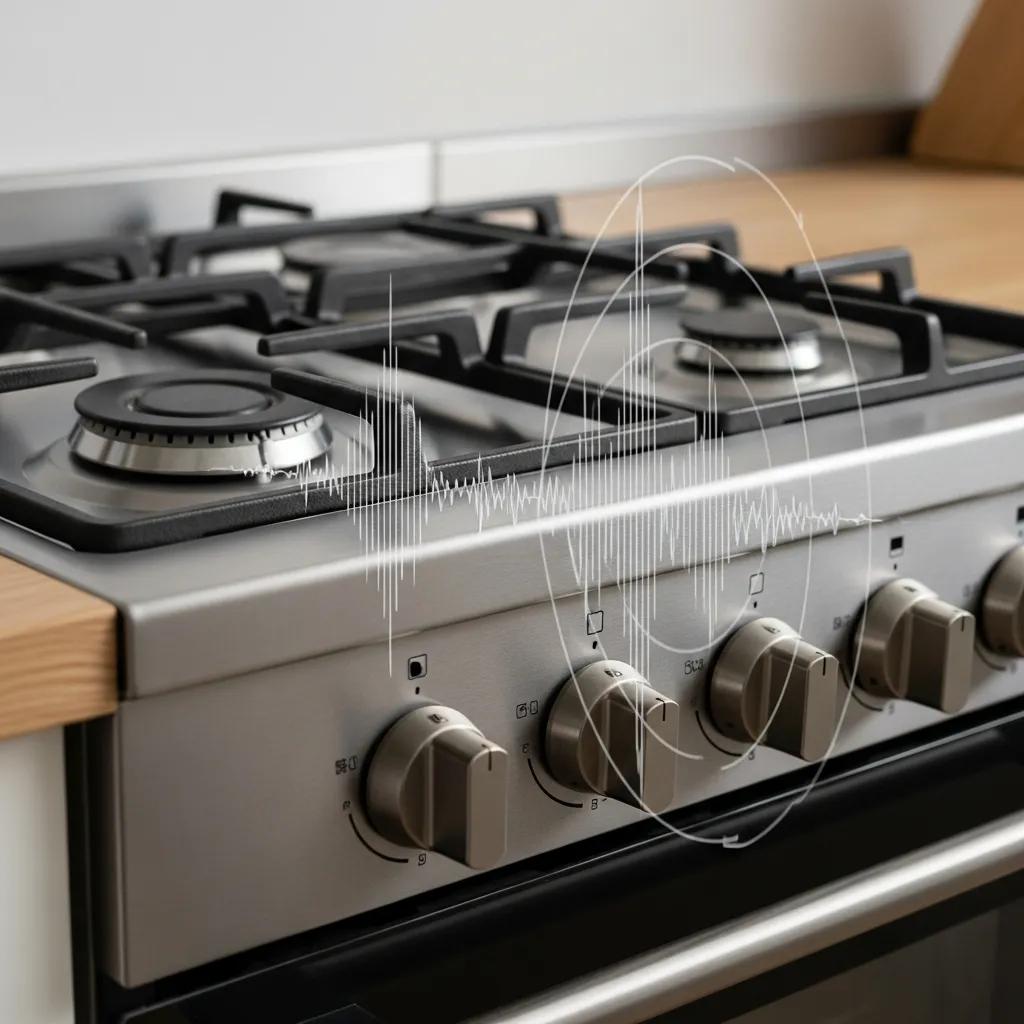
Besides smell, listen for hissing or faint whistling — especially near gas lines and appliances. That noise often means gas is escaping under pressure and needs immediate attention.
Where to Listen for Gas Leak Sounds Near Appliances and Lines
Stand near your stove, furnace, gas meter, and along any exposed gas piping. Quietly listen for a steady hiss or high-pitched whistle. If you hear it, leave the building immediately and call your gas utility or a licensed technician — it may be a serious leak.
What Do Hissing and Whistling Noises Mean for Your Safety?
Hissing or whistling is a red flag. These sounds can indicate an active leak that could cause fires or explosions if ignored. Evacuate and get professional help — don’t try to investigate with tools or lights that could spark.
What Visual Signs Should You Watch for That Indicate a Gas Leak?
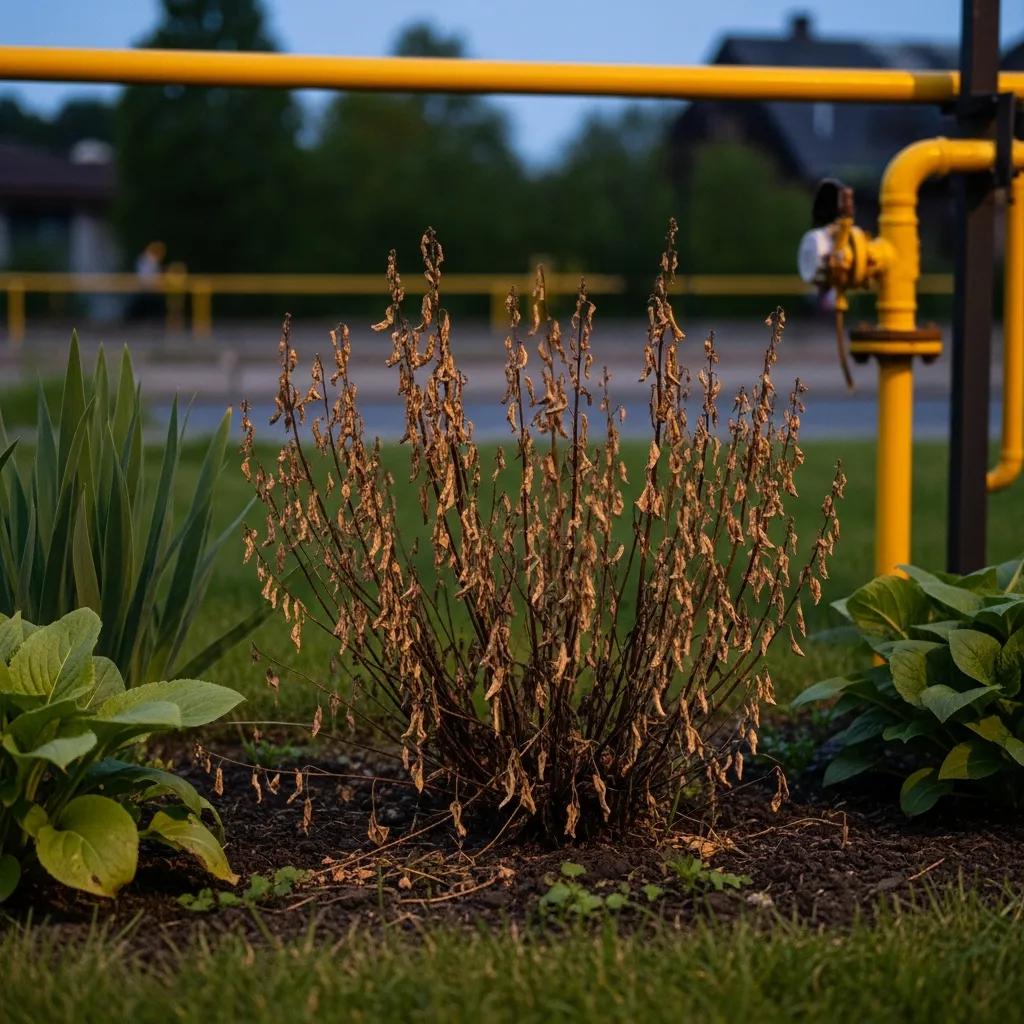
Visual clues can help you spot leaks that aren’t obvious by smell or sound. Keep an eye on the area around buried lines and appliances for any unusual changes.
How Do Dead Or Discolored Vegetation Reveal Gas Leaks?
If plants or grass near a gas line suddenly die or turn brown in a patch, gas could be seeping into the soil and harming vegetation. That’s a sign to have a professional inspect the line right away.
What Does Bubbling Water Or White Mist Near Gas Lines Mean?
Bubbles in standing water near a gas line can signal escaping gas beneath the surface. White mist, though, is not a typical sign of natural gas — natural gas usually won’t form a visible mist. If you see bubbling water or suspect gas in the soil, treat it as an emergency and contact experts immediately.
What Are the Physical Symptoms of a Natural Gas Leak?
Being familiar with how gas exposure feels can help you act fast. If people in your home start showing symptoms, don’t wait — get fresh air and professional help.
Which Symptoms Like Headaches And Dizziness Signal Gas Exposure?
Common signs include headaches, dizziness, nausea, fatigue, and trouble concentrating. These symptoms can appear even at low exposure levels. If anyone feels unwell and you suspect a leak, move everyone to fresh air and call for help.
While odorants help with detection, they also raise questions about health effects that researchers continue to study.
Natural Gas Odorants: Health Effects & Leak Detection
Organosulfur compounds are added to natural gas to make leaks detectable by smell. Because exposure limits aren’t defined for every odorant and indoor leakage events have been documented, researchers are looking closely at the health implications of these additives.
Natural gas odorants: A scoping review of health effects, DR Michanowicz, 2023
How to Differentiate Gas Leak Symptoms From Carbon Monoxide Poisoning
Gas leak symptoms and carbon monoxide (CO) exposure can overlap, but CO often causes confusion, chest tightness, and loss of consciousness in more severe cases. If you suspect either — evacuate, get fresh air, and seek medical attention. Install and maintain CO detectors as an extra safety layer.
What Other Warning Signs Suggest You Need Urgent Gas Leak Repair?
Beyond smell, sound, and sight, there are other clues that something’s wrong with your gas system and needs prompt attention.
How Can An Unexplained Increase In Your Gas Bill Indicate A Leak?
A sudden, unexplained jump in your gas bill can mean gas is escaping somewhere in your system. If usage spikes without a change in habits or appliance use, investigate further and call a pro to locate any hidden leaks.
What Appliance Malfunctions Signal Possible Gas Leaks?
Watch for appliance issues: yellow or flickering flames on a gas stove or furnace, soot around burners, or frequent pilot light problems. These signs can point to incomplete combustion or appliance trouble — either way, have a technician check them right away.
What Immediate Actions Should You Take If You Suspect A Gas Leak?
Quick, calm action keeps everyone safer. Follow these steps without delay.
What Are The Step-by-Step Safety Measures To Follow?
- Evacuate the Area: Get everyone out of the building immediately and account for family members and pets.
- Avoid Flames and Sparks: Do not light matches, use lighters, or operate electrical switches — any spark could ignite leaking gas.
- Ventilate the Area: If it’s safe and you can do so from outside, open doors and windows to help disperse gas.
- Contact Professionals: From a safe location, call your gas utility or a qualified plumber or gas technician to report the leak and request an immediate inspection.
What Are The Crucial ‘Don’ts’ During A Gas Leak Emergency?
To reduce risk, avoid these actions during a suspected leak:
- Do Not Use Electrical Devices: Don’t flip switches, plug in phones, or operate appliances — any spark could trigger ignition.
- Do Not Stay Indoors: Leave the building until professionals confirm it’s safe to return.
- Do Not Ignore Symptoms: If anyone feels dizzy, nauseous, or unwell, get fresh air and seek medical attention right away.
Frequently Asked Questions
What should I do if I smell gas in my home?
Leave immediately, get everyone (and pets) outside, and stay at a safe distance. Avoid using phones or switches inside the house. Once you’re safe, call your gas utility or a licensed technician. Only return after the professionals say it’s safe.
How often should I have my gas appliances inspected?
Have gas appliances inspected at least once a year by a qualified technician. If you notice unusual flames, soot, or odd smells between inspections, schedule a service right away.
Can I detect a gas leak without specialized equipment?
Yes — common methods include noticing the rotten-egg smell, hearing hissing or whistling, and spotting dead vegetation or bubbling water near lines. But if you suspect a leak, treat it as an emergency and call a professional for confirmation and repair.
What are the long-term health effects of gas exposure?
Long-term or repeated exposure can contribute to respiratory problems, headaches, and other symptoms. Although natural gas itself isn’t highly toxic, odorants and combustion byproducts (including carbon monoxide) can pose health risks. If you suspect ongoing exposure, get medical advice and professional plumbing help.
How can I prevent gas leaks in my home?
Prevention comes down to routine maintenance: have appliances installed and serviced by licensed technicians, check gas lines for damage, replace worn components, and install CO and gas detectors. Teach your household the signs of a leak and set a clear emergency plan.
What should I do if my gas bill suddenly increases?
Check for any changes in household use first. If nothing explains the spike, look and listen for signs of a leak (smell, sound, visual clues). If you suspect a leak or can’t find a cause, contact your gas utility or a professional to inspect the system.
Conclusion
Knowing the signs of a gas leak — smell, sound, visual cues, and health symptoms — can save lives. Don’t delay repairs or skip annual checks on your appliances. If you suspect a leak, evacuate, get fresh air, and call a qualified technician for immediate help. Safety is worth the prompt action.