Prevent Bathroom Clogs: Practical Drain‑Cleaning & Maintenance Tips from Anytime Rooter
Small things—loose hair, soap residue, a damp wipe flushed by mistake—are how most bathroom clogs begin. Left alone they become slow drains, bad smells, and expensive repairs. This guide shows why clogs form, which preventive plumbing habits stop buildup early, and which simple tools give the best payoff for your time. You’ll get the common causes, easy DIY routines you can fold into weekly or monthly maintenance, fixture‑specific tips for sinks, showers and toilets, and clear signs for when to call a professional plumber. We also cover advanced options pros use—camera inspections and hydrojetting—and how smart plumbing gear can cut incidents in 2024 and beyond. Keep reading for step‑by‑step how‑tos, quick checklists for homeowners and property managers in Los Angeles County, and practical next steps to keep bathroom drains flowing and reduce emergency calls.
What Are the Common Causes of Bathroom Clogs?
Most bathroom blockages come from a handful of repeat offenders: hair, soap scum, grease or oily products, and non‑flushable items. These materials stick to pipe walls or collect in the P‑trap where slower flow lets sediment build up. Over time tiny deposits join into a blockage that slows drainage and causes odors. Knowing how each material behaves helps you pick the right prevention: hair tangles and snags, soap scum creates a sticky film, grease coats and traps solids, and non‑flushables never break down. That understanding makes it easy to choose simple tools and habits—strainers, routine hot‑water flushing, and regular cleaning—that interrupt buildup before it becomes a problem.
Below are the main culprits with a quick prevention hint so you can move straight into practical DIY steps.
- Hair: Fibers tangle in traps and on pipe walls, catching soap and debris—use hair catchers and clean them weekly.
- Soap scum: Surfactants plus minerals form sticky film—scrub surfaces regularly and run hot‑water flushes occasionally.
- Grease and oily products: Lotions and oily residues coat pipes and trap solids—wipe greasy containers into the trash instead of rinsing them down the sink.
- Non‑flushable items: Wipes, cotton swabs, and feminine products don’t break down and will clog toilets—always throw these in the trash.
Takeaway: target these four causes with repeatable habits and you’ll prevent most bathroom clogs and be ready for simple DIY maintenance.
How Do Hair, Soap Scum, and Grease Cause Bathroom Drain Blockages?
Hair, soap scum, and grease work together to create clogs. Hair wraps around fittings and snags particles; soap scum—formed from soap and minerals—sticks to hair and pipe walls; grease and oily residues coat surfaces and trap solids, then harden in cooler sections. The result is compounding buildup: hair grabs scum, scum holds grease, and the mass narrows the pipe until flow slows or stops. Regular mechanical removal, limiting what enters the drain, and simple routine cleaning sharply reduce the chance these daily contributions turn into a clog.
Practical prevention: pick off visible hair, clean shower and sink surfaces weekly to cut scum, and avoid pouring oils down drains. The next section shows straightforward DIY steps you can do at home.
Residential Plumbing Defects: Causes and Early Repair
Most homeowners report plumbing problems at some point. When caught early, many plumbing defects are simple to repair; left unchecked they can cause major damage and high repair costs.
Plumbing defects in residential buildings: analysis of anomalies and their causes, A Gurmu, 2023
Which Non-Flushable Items Should You Avoid to Prevent Toilet Clogs?
Many items marketed for convenience resist breakdown and create long‑lasting blockages in toilets and sewer lines. Avoid flushing disposable wipes (even those labeled “flushable”), feminine products, dental floss, cotton swabs, paper towels, diapers, and any wrappers or packaging. These items either don’t disintegrate or swell and tangle inside pipes. Put a small lidded trash can in the bathroom and make a habit of using it—educating household members and guests is a low‑effort way to prevent emergency clogs and protect downstream sewer systems.
Knowing what not to flush sets you up to adopt the DIY prevention habits ahead—like installing strainers and scheduling routine flushes.
What Are the Best DIY Tips to Prevent Bathroom Drain Clogs?
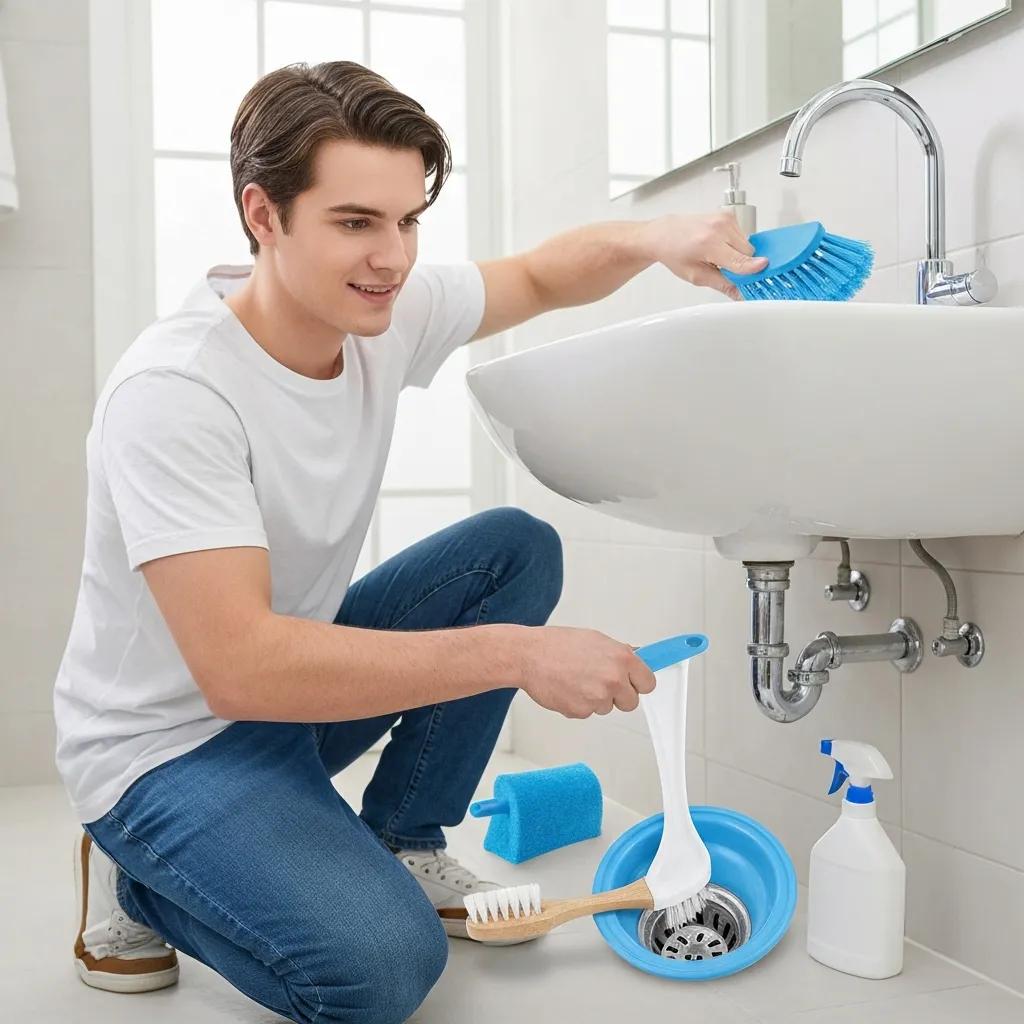
Simple DIY habits stop most drain problems and often remove the need for a service call. Combine physical barriers, regular cleaning, safe natural cleaners, and basic tools to keep drains clear and spot trouble early. A reliable cadence—empty strainers weekly, run a hot‑water flush after heavy use, and do a baking soda + vinegar treatment monthly—keeps pipes moving and cuts soap and grease buildup. These methods are inexpensive, safe for modern plumbing, and pair well with smart home leak detectors and usage alerts.
Follow these step‑by‑step tips at home to limit buildup and maintain free‑flowing drains.
- Install drain guards and hair catchers; empty and rinse them weekly so solids never reach the trap.
- Run a monthly hot‑water flush and follow with a baking soda + vinegar treatment to loosen scum and organic residue.
- Use a plunger for partial clogs and avoid harsh chemical drain cleaners that can damage pipes and fixtures.
- Remove pop‑up stoppers and clean the P‑trap quarterly to pull out trapped debris and confirm clear flow.
How Can Drain Guards and Hair Catchers Help Keep Drains Clear?
Drain guards and hair catchers are your first line of defense — they stop solids before they reach the trap. Options include flexible silicone, durable metal strainers, and fine‑mesh catchers that trap smaller particles but need more frequent cleaning. Choose the right type for each fixture, clean it weekly, and replace worn units. Regularly removing collected hair and debris prevents the slow accumulation that causes odors and reduced flow.
Good guards and a steady cleaning habit complement hot‑water flushes and reduce how often you need deeper maintenance.
How to Use Baking Soda and Vinegar for Natural Drain Cleaning?
A baking soda and vinegar flush is a safe, chemical‑free way to break up light organic residue and cut odors. Pour 1/2 cup baking soda into the drain, follow with 1/2 cup distilled white vinegar, let it fizz for 15–30 minutes, then rinse with about a liter of boiling or very hot water to flush loosened deposits. This works best as a monthly preventive for sinks and showers—not as a fix for severe or mechanical blockages that need professional snaking or hydrojetting. If slow flow continues after treatment or multiple fixtures are affected, stop DIY attempts and call a pro.
This natural method is safe for most plumbing and pairs well with strainers and routine flushing; if flow isn’t restored, read on for fixture‑specific care and P‑trap tips.
How Do You Prevent Clogs in Specific Bathroom Fixtures?
Different fixtures need different routines—sinks, showers/tubs, and toilets each face their own risks. Sinks collect grease and small solids, showers trap hair and soap scum, and toilets get non‑flushables or too much paper. A targeted approach combines physical devices, periodic hardware cleaning (pop‑up stoppers and P‑traps), and behavior changes so each fixture stays reliable. The table below pairs causes, tools, and suggested frequencies to make maintenance simple.
What Are the Top Tips for Preventing Sink Drain Clogs?
Sinks clog from grease, coffee grounds, hair, and soap residue that collect near the trap. Prevent clogs by using a quality sink strainer, wiping greasy pans into the trash instead of rinsing them, and running hot water after soapy tasks to keep oils liquid. Remove and inspect the P‑trap quarterly to catch early buildup—always put a bucket under the trap and wear gloves. These simple steps keep sink flow steady and reduce the chance you’ll need snaking or hydrojetting.
Keeping sinks clear also eases strain on shared plumbing in multi‑unit buildings and helps you spot problems early.
How Can You Stop Shower and Bathtub Drains from Getting Clogged?
Showers and tubs collect hair and soap scum that slowly narrow the drain. Install a fine mesh hair catcher or pop‑up strainer, brush or comb hair before showering to cut loose fibers, and run a monthly hot‑water or baking soda + vinegar flush to reduce scum and mineral buildup. Use a shower mat to catch tile and grout debris, and clean drain openings weekly. These small habits significantly lower the material reaching the trap and reduce the need for deep cleaning.
Regular shower maintenance works well with occasional professional camera inspections in multi‑unit properties to confirm main lines are clear.
What Are Effective Toilet Clog Prevention Tips for Homeowners?
Toilets need clear rules and simple habits: only flush human waste and toilet paper, keep a lidded trash can handy for non‑flushables, and remind guests—especially in older homes or with low‑flow fixtures—not to overuse paper in a single flush. If a toilet’s performance drops (weak flush, slow bowl emptying), mark it out of service temporarily and schedule an inspection instead of repeatedly plunging. These practices lower the risk of overflows and extend toilet and drain life.
If behavior changes don’t fix the issue, the next section explains when to call a professional.
When Should You Call a Professional Plumber for Bathroom Clogs?
Knowing when to move from DIY to professional help prevents bigger problems and protects your plumbing. Call a licensed plumber if clogs recur after DIY fixes, multiple fixtures drain slowly, you smell sewage, you see visible damage or corrosion, or a clog follows recent plumbing work or heavy rains—these often signal deeper issues in the drain or sewer line. Pros can run camera inspections to locate blockages, snake reachable obstructions, or hydrojet for heavy, adherent buildup. Emergency service is warranted when raw sewage is present, water backs into multiple fixtures, or uncontrolled overflows threaten property.
The table below compares DIY options and professional services to help you decide the right next step.
What Are the Signs That a Clog Needs Expert Drain Cleaning?
Signs that a clog is beyond simple home fixes include multiple drains slowing at once, persistent gurgling noises, sewage odors, standing water that won’t clear, and repeat problems after DIY attempts. If you see any of these, limit water use, avoid pouring chemicals that can damage pipes, and contact a licensed plumber for a proper assessment. Quick professional intervention prevents fixture damage and costly long‑term repairs.
Take immediate steps—shut off water to affected fixtures and contain spills—to reduce property damage while you arrange service.
How Does Hydrojet Plumbing Work to Remove Stubborn Bathroom Clogs?
Hydrojetting uses high‑pressure water delivered through specialized nozzles to scour pipe interiors, removing grease, soap scum, mineral scale, and even small root intrusions—without corrosive chemicals. The technician inspects the line, chooses pressure appropriate to the pipe material, and directs the jet to dislodge and flush debris to the sewer. Hydrojetting cleans the entire pipe circumference, so it’s more effective than snaking for stubborn, adherent buildup. Because older or fragile pipes may need gentler approaches, professionals assess compatibility and usually follow hydrojetting with a camera inspection to confirm full clearance.
Hydrojetting requires specialized equipment and training, so it’s typically recommended after a diagnosis shows extensive internal scaling or recurring accumulation.
If you need professional help, Anytime Rooter offers Drain Cleaning & Clearing, Hydrojet Plumbing, and Toilet Repair & Service. We send licensed, insured technicians, provide transparent pricing and free estimates, stand behind our work with a satisfaction guarantee, and offer 24/7 emergency callouts for urgent backups. Prioritize DIY prevention, but when clogs recur or worsen, a targeted professional solution restores reliable drainage and prevents repeat problems.
What Are the Benefits of Regular Preventative Plumbing Maintenance?
Regular preventative maintenance stops emergencies, extends pipe life, improves flow efficiency, and lowers lifetime system costs by dealing with buildup before it becomes severe. Planned services—from routine drain cleaning and camera inspections to hydrojetting when needed—mean fewer surprises, less disruption, and fewer odors from sewage. For Los Angeles County homeowners and property managers, adding preventative checks to an annual or semi‑annual plan helps catch pipe wear or root intrusion early. Pairing manual inspections with smart devices like leak detectors improves early warning and lets you schedule service based on real data.
The table below compares common professional maintenance services, their benefits, and suggested frequency so you can choose a plan that fits your property.
How Often Should You Schedule Drain Cleaning to Avoid Bathroom Clogs?
Frequency depends on household size, fixture use, and clog risk: single‑person homes often do fine with annual cleanings, families or homes with long hair may need semi‑annual service, and multi‑unit or commercial properties typically follow quarterly or custom schedules. Increase service if you see recurring slow drains, repeated hair clogs, or visible sediment. Pairing cleaning with camera inspections and occasional hydrojetting ensures diagnosis and remediation match the problem. A simple, regular schedule reduces emergency repairs and fits into seasonal home maintenance routines.
Smart monitors and past service records help refine how often to schedule cleanings so you get the best prevention value.
How Can Smart Plumbing Technology Help Prevent Bathroom Drain Issues?
Smart plumbing devices—leak and flow detectors, water‑usage monitors, and connected shutoff valves—spot anomalies that can precede clogs and leaks, letting you act before symptoms appear. These tools alert you to unusual flow patterns, continuous phantom flows, or rising usage that may signal a developing obstruction or fixture fault. When you combine smart monitoring with scheduled inspections, data can trigger targeted cleaning and keep metrics within normal ranges. As of 2024, adoption in homes and multi‑unit buildings is growing because these systems reduce downtime and focus professional resources where they’re needed most.
Smart devices complement manual prevention routines and help you decide when to call in a pro.
Frequently Asked Questions
What are some signs that my bathroom drains may be clogged?
Look for slow drainage in sinks, showers, or toilets, gurgling sounds from drains, and unpleasant odors from fixtures. Multiple drains slowing at once often means a larger issue in the system. Standing water that won’t go down is another clear sign. Catching these symptoms early lets you take simple steps to prevent bigger problems.
How can I maintain my bathroom drains to prevent clogs?
Routine maintenance is the most effective prevention. Clean drain catchers weekly, run hot water through drains after use, and perform a monthly baking soda and vinegar treatment. Inspect and clean the P‑trap quarterly to remove buildup. Teach household members what not to flush and keep a lidded trash can handy—small habits go a long way.
Are there any natural remedies for preventing bathroom clogs?
Yes. A monthly baking soda and vinegar treatment helps break down light organic residue and cuts odors. Pouring boiling water down drains can dissolve grease and soap scum. A salt and baking soda mix followed by hot water can also help. These approaches are safe for most plumbing and work well as ongoing maintenance—not as fixes for severe blockages.
What should I do if I notice a persistent clog despite my efforts?
If a clog persists after DIY attempts, call a professional plumber. Warning signs include multiple fixtures draining slowly, recurring clogs after fixes, or sewage smells. A plumber can run a camera inspection to find the root cause and recommend the right repair. Early professional help prevents further damage and bigger repair bills.
How can I educate my family about proper bathroom disposal practices?
Start with a short household rule: only flush human waste and toilet paper. Place a clearly labeled trash can in the bathroom for wipes and other non‑flushables, and post a simple reminder near the toilet if needed. Regularly reinforce the rule with guests and family—consistent reminders prevent most accidental clogs.
What are the benefits of using smart plumbing technology for drain maintenance?
Smart plumbing devices provide early alerts for leaks and unusual flow that can indicate developing clogs. They let you schedule targeted maintenance before a small issue becomes an emergency. When used with regular inspections, smart tech helps keep systems efficient and reduces costly emergency repairs.
How Do I Prevent Hair Clogs in My Shower Drain?
Stop hair clogs by capturing loose strands and keeping a steady cleaning routine. Use a hair catcher that fits your drain, brush or comb hair before showering, and clean the catcher weekly to avoid compaction. Monthly hot‑water flushes and occasional baking soda + vinegar treatments reduce soap scum that binds hair to pipe walls. If slow flow returns despite these measures, remove the pop‑up or access the trap to inspect, or schedule a professional camera inspection. Small, consistent effort prevents large, costly blockages.
These steps cut hair‑related clogs and lengthen the time between professional services.
What Should Never Be Flushed Down a Toilet to Avoid Clogs?
Never flush disposable wipes (including “flushable” brands), feminine products, cotton swabs, dental floss, paper towels, grease, or packaging—these don’t break down like toilet paper and cause immediate and long‑term blockages. Use a dedicated lidded trash can and, if needed, post a short reminder for guests, especially in homes with low‑flow or older toilets. Avoiding these items prevents sewer backups, protects septic systems, and reduces the need for mechanical extraction or hydrojetting. Education and a convenient trash can solve most misuse problems.
Following these disposal rules protects toilet function and cuts emergency plumbing calls.
For persistent clogs, emergency backups, or multi‑fixture problems, call a pro. Anytime Rooter is a family‑owned plumbing service in Marina Del Rey serving Los Angeles County. We provide drain cleaning & clearing, hydrojet plumbing, and toilet repair & service with licensed, insured technicians, transparent pricing, free estimates, a satisfaction guarantee, and 24‑hour emergency callouts. If DIY prevention and routine maintenance don’t stop recurring issues, reach out to a local, trusted team to restore reliable drainage. For urgent help or to book a preventative inspection, call Anytime Rooter at (310)743-3915.
Conclusion
Simple, consistent bathroom maintenance prevents most clogs and saves time and money on emergency repairs. Understand the common causes, adopt a few easy habits, and inspect fixtures regularly to keep drains clear and extend the life of your plumbing. When problems persist, a licensed professional can diagnose and fix the root cause. Ready to make clog prevention part of your routine? Start with the tips above or contact our team for tailored help.