
Emergency Toilet Repair Services Near You: What to Expect from Anytime Rooter in Los Angeles
If you’re dealing with an overflowing, leaking, or non‑flushing toilet in Los Angeles, this guide walks you through what to expect from emergency toilet repair services and how our response usually works. We cover how to spot a real toilet emergency, quick steps to limit damage, the common fixes our techs perform, and the cost factors that affect after‑hours service in Los Angeles County. You’ll also find our typical 24/7 response flow plus prevention and water‑saving upgrades to reduce future risk. Read on for clear action steps, simple diagnostics you can try before we arrive, and exactly what a licensed, insured technician will do during an after‑hours toilet emergency.
What Are the Common Signs of a Toilet Plumbing Emergency?
A toilet plumbing emergency is any situation where continuing to use the fixture risks water damage, sewage exposure, or loss of service. These problems happen when parts like the fill valve, flapper, wax ring, supply line, or the drain become blocked or fail—leading to overflows, leaks at the base, or backups into other fixtures. Spotting trouble early reduces property damage and health risks by triggering quick containment and a professional response. Below we list the main visual, functional, and odor clues that mean you should act now, and when a safe DIY stopgap is reasonable.
How to Recognize an Overflowing or Severely Clogged Toilet
An overflowing or severely clogged toilet gives clear visual and operational warnings: slow draining that gurgles, water rising toward the rim after a flush, a sewage smell near the bowl, or backups in sinks and tubs (which can mean a main‑line issue). If you see these signs, shut off the toilet’s water supply at the shut‑off valve and don’t flush again to avoid making things worse. You can remove excess water with a small container or towels, but if multiple fixtures back up or the water contains sewage, call emergency service right away to avoid contamination and structural damage.
What Are the Warning Signs of Toilet Leaks and Constant Running Toilets?
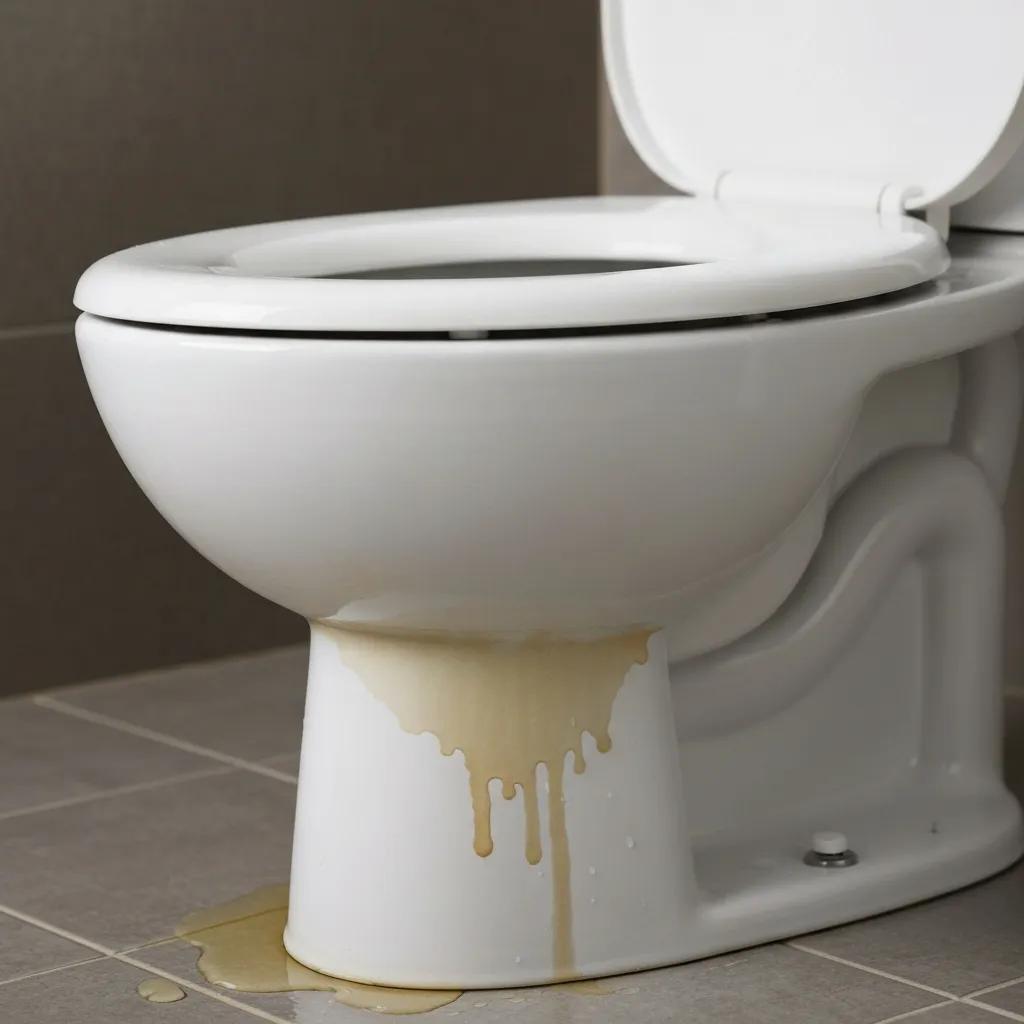
Signs of leaks or a toilet that won’t stop running include the sound of water when nothing’s being used, higher water bills, soft or discolored flooring near the base, and visible pooling around the tank or bowl. Hidden tank leaks usually come from a worn flapper or failing fill valve and cause steady water loss. Try a simple food‑coloring test: add dye to the tank and watch the bowl—if color appears without flushing, you have an internal leak. If you see water at the base (possible wax ring failure) or a damaged supply line, stop using the toilet and book an inspection to prevent water damage and mold.
How Does Anytime Rooter Handle 24/7 Emergency Toilet Repair in Los Angeles?
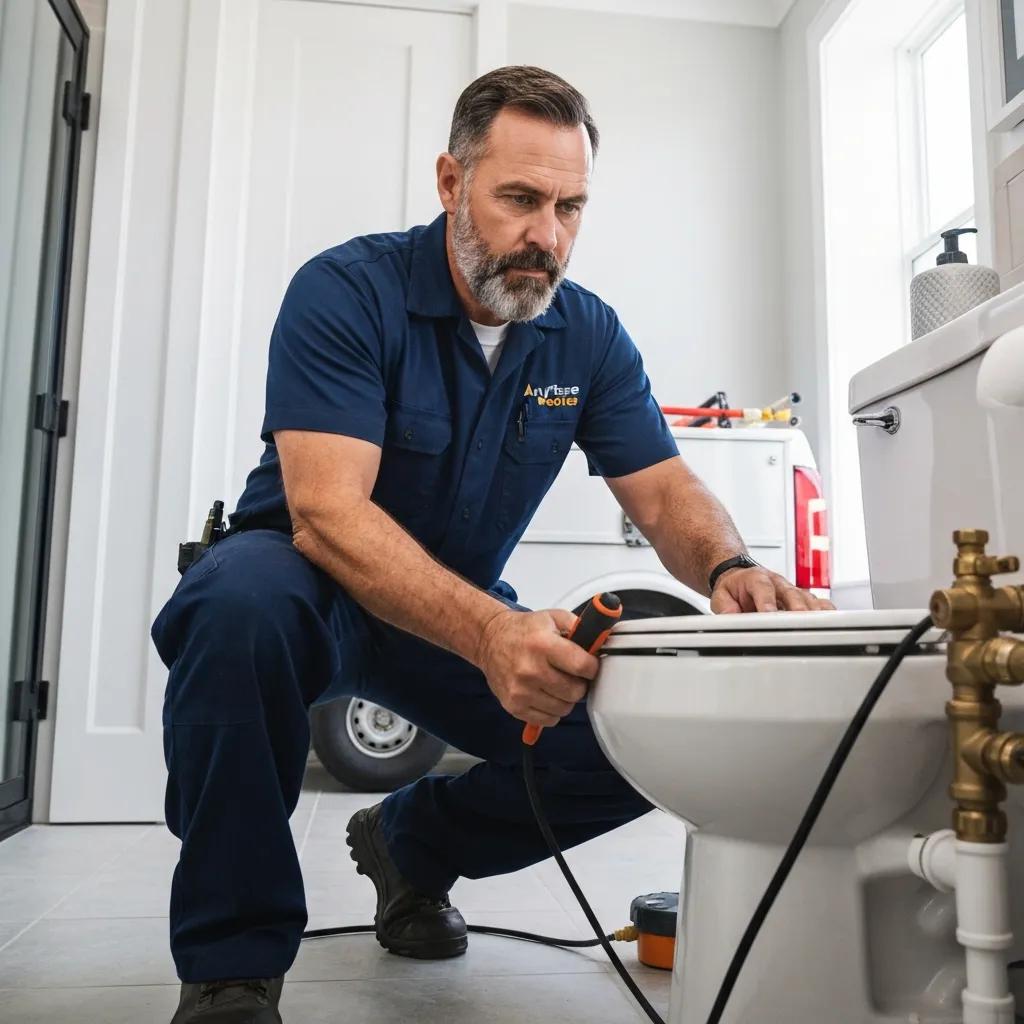
Our emergency response follows a safety‑first protocol: we diagnose and stop the immediate issue, then complete repairs with clear pricing and a tidy cleanup. Response centers on quick containment (shutting off water, isolating affected fixtures), a professional diagnosis using standard tools or camera/auger when needed, and an upfront explanation of repair options so you can approve the work. Our licensed, insured technicians minimize water and sewage exposure, perform efficient repairs, and document the cause plus recommended follow‑up to reduce the chance of recurrence.
What Happens During the Immediate Response and Expert Diagnosis?
After you place an emergency call, the technician’s first on‑site steps focus on safety and containment: locating and shutting off the water supply, assessing visible damage, and keeping sewage or wastewater contained. Diagnostic work usually includes checking tank parts (flapper, fill valve, float), inspecting the supply line and shut‑off valve, and testing whether the blockage is at the bowl or down the drain/main line. If needed, we use an auger or camera to confirm the scope of a clog. This method pinpoints the root cause so repairs are targeted, which reduces repeat visits and gets everything back to normal faster. Once we know the cause, your tech will explain repair options and the expected steps so you can decide how to proceed.
How Does Transparent Pricing and Efficient Repair Work?
Transparent pricing starts with an on‑site assessment that produces a clear estimate showing labor, required parts, and any after‑hours or special‑equipment charges before we begin. Major cost drivers include whether the fix is a simple parts replacement (like a flapper or fill valve) or something more extensive—removing the toilet to replace a wax ring or addressing a main‑line clog. After‑hours response and travel from Marina Del Rey can also affect the total. We provide free estimates and explain authorization so you approve repairs with full knowledge of expected costs and outcomes. That way surprises are minimized and you can weigh immediate fixes against longer‑term recommendations.
What Are the Most Common Emergency Toilet Repairs and Their Solutions?
Emergency toilet repairs usually fall into a few repeatable categories: component replacement, base‑seal repair, and drain clearing. Each category needs different tools and time to restore function. Knowing the symptom‑to‑solution mapping helps you describe the problem clearly and decide whether to call immediately. The table below gives the common repairs, likely causes, estimated time to repair, and practical notes to set expectations before the technician arrives.
Intro: The table below lists common toilet repair scenarios, the likely cause, and notes about what a technician will usually do during an emergency visit.
Summary: These categories cover most emergency toilet calls and explain why our techs carry common replacement parts plus specialized tools to restore safe, sanitary operation quickly.
How Are Fill Valve, Flapper Seal, and Wax Ring Repairs Performed?
Fill valve replacement: we isolate the water, drain the tank, remove the old valve, and install a new assembly set to the proper fill level—this stops overflows and noisy refills. Flapper seal repair: a quick test followed by a flapper or flush‑valve swap and a tank hold test to end continuous running. Wax ring replacement: we remove the toilet from the flange, fit a new wax seal, and reseat the toilet to stop base leaks and sewer gas. Each job varies in complexity and time, but we always prioritize containment and sanitation before the mechanical work begins.
When Is Drain Unclogging Necessary for Toilet Emergencies?
Drain unclogging is required when a blockage prevents normal flushing, water rises toward the rim, or multiple fixtures are affected—signs the issue may be in the main sewer line. Local clogs in the bowl or trap often clear with a plunger or auger; main‑line blockages typically need powered augers or camera inspection to locate and remove the obstruction safely. Hydro‑jetting is an option for stubborn or recurring build‑ups, but we only use it after proper diagnosis confirms pipe condition. If backups involve sewage or multiple drains, call a professional rather than trying aggressive DIY methods that can make the problem worse.
What Factors Influence Emergency Toilet Repair Costs in Los Angeles?
Costs for emergency toilet repairs depend on several clear factors: the repair type and complexity, time of day (after‑hours or holidays), parts needed, travel and access difficulty, and whether specialized equipment is required. These drivers explain price variation and why an on‑site, transparent quote helps you decide whether to authorize immediate repairs or schedule non‑emergency work. The short table below breaks down typical factors and how they commonly influence pricing in the Los Angeles area.
Intro: The table below summarizes the main cost drivers and notes on how each factor typically affects emergency toilet repair pricing in Los Angeles County.
Summary: Knowing these factors sets realistic expectations for emergency calls and highlights the value of a clear on‑site estimate that separates parts, labor, and any after‑hours premiums.
How Do Repair Type, Time of Day, and Parts Affect Pricing?
Repair type is the biggest factor: swapping a flapper or fill valve is usually quicker and cheaper than removing a toilet for a wax ring or tackling a sewer main‑line clog, which takes more time and equipment. Time of day matters—after‑hours emergency calls commonly include premium charges for rapid dispatch. Parts range from inexpensive flappers to specialty valves that cost more; replacing a part rather than adjusting it also increases labor time. When a technician gives a free estimate, they’ll typically itemize these drivers so you understand where costs come from and can make an informed decision.
What Is Anytime Rooter’s Approach to Free Estimates and Transparent Billing?
We prioritize transparent billing: our process starts with a no‑surprise on‑site estimate based on the technician’s assessment, the parts needed, and any after‑hours considerations. We offer free estimates to avoid hidden fees and to give you clear choices about how to proceed. Our licensed, insured technicians explain recommended repairs, alternatives, and expected cleanup or follow‑up before starting work so property owners can authorize repairs with confidence. That straightforward approach matches local expectations for honest pricing and predictable results during stressful emergencies.
Why Choose Anytime Rooter for Your Emergency Toilet Repair Needs in Los Angeles?
Anytime Rooter is a local, family‑owned emergency plumbing partner offering 24‑hour availability, licensed and insured technicians, and a commitment to clear pricing and customer satisfaction. Our key trust signals—round‑the‑clock emergency service, upfront estimates, a satisfaction guarantee, and a Marina Del Rey base serving Los Angeles County—help homeowners and property managers act quickly when a toilet emergency strikes. Below are the primary service attributes that make decision‑making easier during an urgent situation.
- 24-hour emergency services: Licensed technicians ready around the clock to stop leaks, clear clogs, and restore sanitation.
- Licensed and insured technicians: Professional credentials and insurance protect you and ensure safe repair practices.
- Transparent pricing with free estimates: On‑site assessments provide clear cost breakdowns so you can approve repairs without surprises.
How Does 39 Years of Experience Benefit Customers?
Thirty‑nine years in the business means faster, more accurate diagnosis, a deep parts knowledge base, and familiarity with common Los Angeles plumbing issues across homes and businesses. That experience helps our techs anticipate underlying causes—whether related to pipe materials, building age, or local installation practices—and choose fixes that limit repeat problems. Experienced teams also improve first‑visit fix rates by carrying common parts and efficient tools, saving time and minimizing disruption. Customers get predictable processes and institutional know‑how that support reliable emergency response and sensible follow‑up.
What Credentials and Local Expertise Do Anytime Rooter Plumbers Have?
Our team is made up of licensed, insured technicians serving residential and commercial customers throughout Los Angeles County from a Marina Del Rey base. Licensing shows technical competency; insurance protects property owners from liability during repairs. Local expertise means our techs understand regional patterns—common clog causes and fixture types—and can source the right parts and repair strategies quickly. That mix of credentials and neighborhood knowledge makes emergency repairs smoother and communication clearer during high‑stress situations.
If you need immediate help or want a no‑obligation assessment, call Anytime Rooter at (310) 743-3915 or visit our Marina Del Rey service address at 13157 Mindanao Way, Marina Del Rey, CA 90292 to request emergency dispatch or schedule an inspection. Our on‑site estimates and clear explanations are designed to help you make a fast, informed decision when a toilet plumbing emergency occurs.
How Can You Prevent Future Toilet Emergencies and Save Water?
Preventing future toilet emergencies combines routine inspections, smarter habits (what not to flush), and targeted upgrades that reduce leaks and water waste. Regular maintenance catches small failures—worn flappers, loose supply lines, misadjusted fill valves—before they become overflows or leaks. Water‑saving upgrades reduce usage and the stress on components. The short table below pairs common preventative actions with the main benefit so property owners can prioritize steps that cut both risk and water use.
Intro: The table below compares preventative actions, what they achieve, and the benefit in water savings or risk reduction.
Summary: Regular checks and targeted upgrades save water and reduce the chance of sudden failures that require emergency service calls.
What Are Simple Steps to Avoid Overflow and Leaks?
Small, routine homeowner steps cut your risk: locate and label the toilet shut‑off valve, avoid flushing anything but human waste and toilet paper, and inspect the base and tank for moisture or discoloration. Run a dye test every few months by adding food coloring to the tank and checking the bowl after several minutes without flushing to spot silent leaks. Tighten visible supply‑line fittings if you see minor drips, but call a pro if fittings are corroded or the floor shows structural change. These checks limit emergency exposure and give techs clearer information if you need a rapid service call.
How Do Water-Saving Toilet Repairs and Upgrades Help Los Angeles Property Owners?
Water‑saving repairs and upgrades—high‑efficiency fill valves, retrofit dual‑flush kits, or full low‑flow toilet replacements—cut water per flush and reduce component wear. Over time, lower consumption means smaller utility bills and less stress on parts like flappers and fill assemblies, which can delay some repairs. For reliable performance and code compliance, have a licensed plumber install upgrades so seals and settings are correct and the fixture doesn’t leak. Talk with a plumber to weigh cost versus savings and to plan upgrades that meet your conservation and reliability goals.
- Know your shut-off valve: Find and label it so you can stop water fast in an emergency.
- Avoid flushing inappropriate items: Only flush human waste and toilet paper.
- Schedule routine inspections: Regular checks catch small issues before they become emergencies.
These prevention steps help Los Angeles property owners reduce emergency risk and ongoing water waste.
Frequently Asked Questions
What should I do if my toilet is overflowing?
First, shut off the water at the shut‑off valve behind the toilet to stop more water from entering. Remove excess water with a container or towels and do not flush again. If the overflow is severe or you see sewage, call an emergency plumbing service right away so the situation is handled safely and thoroughly.
How can I tell if my toilet needs professional repair?
Call a pro if you have persistent leaks, constant running, strange noises, frequent clogs, water pooling at the base, a foul odor, or trouble flushing. If DIY fixes don’t solve the issue, a licensed plumber can diagnose and repair the underlying problem before it gets worse.
Are there any DIY methods to temporarily fix a toilet emergency?
Yes—use a plunger for clogs, try tightening bolts at the base for minor leaks, or replace/adjust a flapper or float to stop running. These are temporary measures; for persistent problems or sewage concerns, schedule a professional repair to ensure a lasting fix.
What are the benefits of regular toilet maintenance?
Regular maintenance prevents costly repairs and extends the life of your fixtures. Inspections catch worn parts (flappers, fill valves, supply lines) before they fail, improve water efficiency, and reduce emergency calls. A licensed plumber’s periodic check keeps your toilet running reliably and lowers the risk of surprise problems.
How can I save water with my toilet?
Install low‑flow or dual‑flush toilets, fix leaks promptly, and use high‑efficiency fill valves. Perform dye tests to find hidden leaks. These measures reduce water use without sacrificing performance and lead to long‑term utility savings.
What should I expect during an emergency toilet repair service?
A licensed technician will assess the situation, shut off the water, and diagnose the issue—inspecting tank components or using specialized tools if needed. You’ll receive a clear estimate before work begins. The goal is to restore function quickly while ensuring safety and leaving the area clean.
How can I choose the right emergency plumbing service?
Look for licensed, insured technicians with solid local reviews and 24/7 availability. Transparent pricing and free estimates are important so you know what to expect. Local experience and many years in business are good signs the company will respond reliably in an emergency.
Conclusion
Knowing the signs of a toilet emergency and the steps to take can save time, expense, and frustration. Anytime Rooter provides reliable, transparent emergency plumbing that prioritizes safety and customer satisfaction so you get peace of mind when problems arise. If you need immediate help or want a no‑obligation assessment, contact Anytime Rooter today.