Emergency Toilet Repair Options Near You in Los Angeles — Fast, Reliable 24/7 Help
Toilet emergencies—at home or at work—demand fast, practical decisions to limit water damage and health risks. This guide walks you through which toilet problems are true emergencies, immediate steps you can take, and clear signs it’s time to stop DIY and call a pro. You’ll also get a breakdown of common emergency fixes (overflowing toilets, severe clogs, leaks, and non-flushing fixtures), expected cost ranges, what drives price, and how routine maintenance cuts future risk. If you’re in Los Angeles County, we include local coverage notes and how to reach a 24/7 responder. Anytime Rooter offers round-the-clock dispatch, licensed and insured technicians, free estimates, and a satisfaction guarantee so you can choose help with confidence. Read on for concise checklists and diagnostics that make emergency choices faster and less stressful.
What Counts as an Emergency Toilet Repair?
An emergency toilet repair is any toilet failure that risks immediate water damage, health hazards, or harm to the building and can’t wait until normal business hours. Common emergency signs include active overflowing, recurring sewage backup, major leaks flooding floors or ceilings, cracked bowls or tanks that might collapse, or a complete loss of flushing that prevents normal use. Spotting these issues early reduces contamination and structural damage, so treat them as urgent and move quickly to containment and professional help. The next section lists typical emergency scenarios and explains why some DIY fixes can make things worse.
Which Toilet Problems Require Immediate Professional Help?
Call a professional right away for severe clogs that cause repeated overflows or visible sewage, or when water is pouring from the base or through a ceiling—these create unsafe, unsanitary conditions and damage building materials. Continuous high-volume leaks (ruptured supply lines, cracked tanks, or failed wax rings) are emergencies because moisture quickly ruins subfloors and finishes. If you see structural cracks, experience erratic flushing with gurgling in other drains, or suspect the main sewer line is involved, stop using connected fixtures and request service to prevent escalation. For example, repeated flushes that pushed sewage back into an apartment required immediate professional intervention to avoid costly floor repairs and contamination.
How to Identify Overflowing, Clogged, Leaking, and Non-Flushing Toilets
Start by noting symptoms: a rising water level that won’t fall usually means a serious clog or a downstream block; constant running or water pooling at the base points to seal or supply failures. Inside-tank leaks, hissing, or water under the bowl typically signal worn or failed internal parts (fill valve, flush valve, wax ring). Non-flushing toilets that gurgle or cause backups in other fixtures often indicate a sewer-line problem rather than a single toilet. Making this distinction early tells you whether a local repair will fix it or if you need a more extensive sewer inspection—details we cover in the practical steps below.
How to Handle an Overflowing or Clogged Toilet Emergency
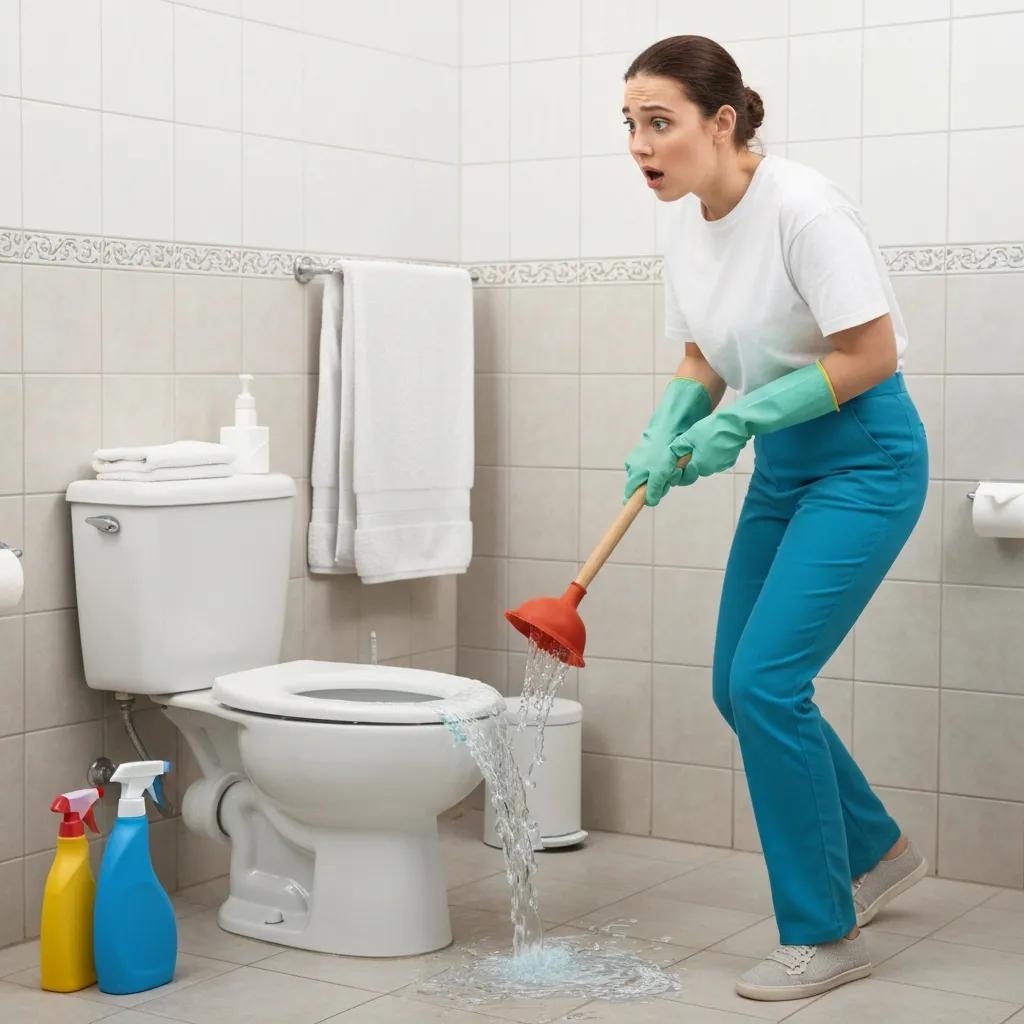
When a toilet is overflowing or severely clogged, quick, prioritized actions limit property damage and health risks while you wait for a technician. The aim is to stop more water, contain contamination, and avoid risky DIY that could push sewage farther into the system. Below are clear, safe steps—from shutting off water to temporary containment—and guidance on when to stop and call a 24/7 pro.
What Are the Immediate Steps to Take Before a Plumber Arrives?
Do these actions in order to reduce damage and exposure before help gets there:
- Find and turn off the toilet shutoff valve at the base to stop incoming water.
- Do not flush again; keep people away from the area. If needed, shut off the main water supply carefully.
- Wear protective gloves and use towels or buckets to contain spills and protect flooring and finishes.
- If the bowl is high but not overflowing, try gentle plunging with a flange plunger only if you can do so safely. Avoid chemical drain cleaners—they can harm pipes and complicate professional repairs.
When Should You Stop DIY and Call a 24 Hour Toilet Plumber Near Me?
Call a 24/7 professional if plunging doesn’t clear the clog after a few safe attempts, if sewage is present, if water keeps leaking from the base or tank, or if gurgling and backups affect multiple fixtures—these suggest a sewer problem. Also call immediately if you see structural cracks or can’t find or safely access shutoff valves. Repeated or aggressive DIY can worsen clogs or push debris deeper into sewer lines, making repairs more expensive. If there’s visible contamination or you’re managing a commercial property that can’t afford downtime, escalate to a licensed emergency plumber right away.
What Emergency Toilet Repair Services Does Anytime Rooter Provide?
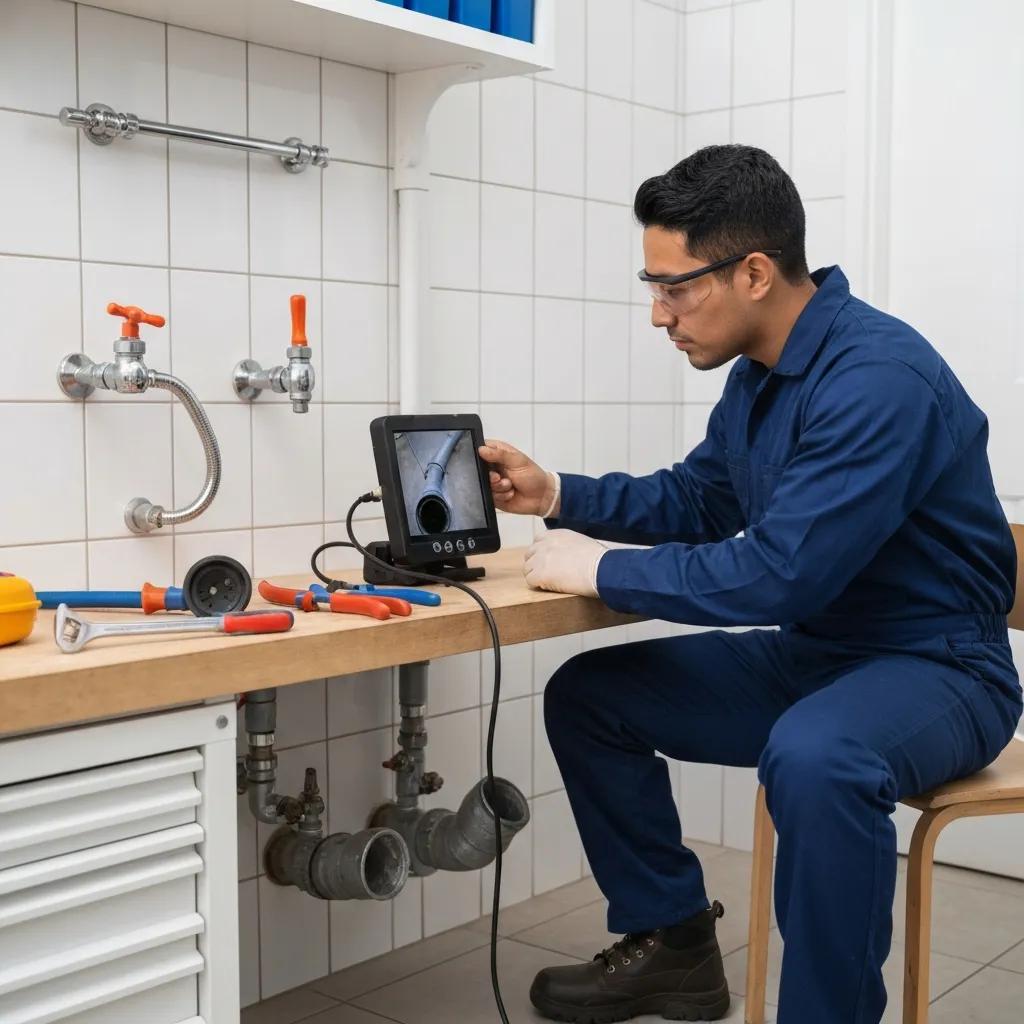
Emergency toilet repair often combines fast containment, accurate diagnostics, and thorough cleanup. Anytime Rooter offers 24/7 emergency dispatch with licensed, insured technicians who diagnose and repair issues using tools like mechanical augers, hydrojetting, and CCTV sewer cameras. We replace worn components—flush and fill valves, wax rings, flanges, and supply lines—and handle overflow cleanup and sanitation. Customers can expect three core outcomes: quick containment, a clear diagnosis, and a lasting repair that reduces repeat calls. The table below summarizes common services, typical response, tools used, and likely results so you know what to expect during an emergency visit.
Quick overview: the table below lists common emergency toilet services, how technicians typically respond, the main tools used, and expected outcomes.
This table shows how rapid response pairs with careful diagnosis to limit damage and restore safe operation. The following sections explain our technical approach to clogs and overflow repairs and what we offer commercial clients in Los Angeles.
How Are Overflowing Toilet Repairs and Severe Clog Removals Handled?
Technicians begin with a visual and functional check, then run a camera inspection when the cause is unclear or backups recur. For blockages near the fixture, we use augers and specialty plungers; deep or root-intruded blockages usually require hydrojetting to clear the line. Worn parts are replaced—flush and fill valves, wax rings, flanges—to stop leaks and restore reliable flushing. Cleanup and sanitation are always included: contaminated water is removed, surfaces disinfected, and we advise on drying and repairs to prevent mold. A diagnostic-first approach reduces repeat visits and gets fixtures back in service faster.
What Commercial Emergency Toilet Repair Options Are Available in Los Angeles?
Businesses and high-occupancy facilities need scalable, code-aware service that minimizes downtime. Our commercial options include priority dispatch for multi-fixture failures, temporary mitigation (isolating lines or providing interim restroom solutions), and rapid component replacement to restore service quickly. We coordinate timing to avoid peak hours when possible and provide documentation for facilities managers and compliance records. For persistent or complex problems, we recommend sewer camera inspections and hydrojetting plans to prevent repeat failures—helping businesses meet health-code requirements and keep customers or occupants satisfied.
How Much Does Emergency Toilet Repair Cost in Los Angeles?
Emergency costs depend on the issue type, tools and parts required, time of call (off-hours surcharges), and whether sewer-line work is needed. Common scenarios include simple clogs cleared with a plunger or auger, severe clogs needing hydrojetting or camera work, overflow cleanup, and leak or component replacement. After-hours emergency calls often carry additional fees for immediate dispatch and technician availability. The table below shows typical scenarios, Los Angeles cost ranges, and notes on surcharges so you have a realistic expectation before requesting a free estimate.
Quick summary: the table below outlines common emergency situations, typical Los Angeles cost ranges, and notes about off-hours surcharges or included services.
Use this cost comparison to anticipate likely expenses and what can push a job into a higher price band. The next sections explain the main cost drivers and how free estimates and transparent pricing reduce surprises.
What Factors Affect Broken Toilet Repair Costs and Emergency Service Rates?
Key cost drivers include the issue’s complexity (simple snaking versus hydrojetting), parts needed (valves, wax ring, flange), equipment (camera inspections add cost), travel and labor time, and time-of-day or holiday surcharges. Hydrojetting requires specialized, high-pressure equipment and trained operators, which raises both equipment and labor costs compared with a basic auger job. Additional visits or extended work to repair water damage or replace flooring are billed separately and can increase the total. Knowing these factors helps you describe the issue accurately and get closer estimates over the phone.
How Does Anytime Rooter Ensure Transparent Pricing and Free Estimates?
Anytime Rooter provides free estimates and clear pricing so customers can decide with confidence. Our technicians give an initial assessment, explain repair versus replacement options, and outline expected costs before work begins to avoid surprises. We emphasize licensed, insured technicians and stand behind our work with a satisfaction guarantee. Clear cost explanations and a free initial estimate make urgent decisions easier and help property owners choose a timely, informed repair option.
How Can Preventative Maintenance Help Avoid Future Toilet Emergencies?
Preventative maintenance cuts emergency calls by catching worn parts early, preventing buildup that causes clogs, and ensuring fixtures work as designed. Regular checks of tank parts, seals, and supply lines stop small leaks from becoming floods; periodic drain cleaning prevents solids buildup that leads to severe clogs; and sewer camera inspections for older systems reveal problems before backups occur. The table below lists recommended maintenance tasks, suggested frequency, benefits, and estimated time/cost so you can plan routine service and compare the ROI of prevention versus emergency repairs.
Summary: this maintenance table shows common preventative tasks, recommended frequency, prevention benefits, and typical time/cost estimates for planning routine service.
Small, scheduled investments often prevent larger emergency costs and downtime. The sections below cover best practices and how modern fixtures change maintenance needs.
What Are the Best Practices to Prevent Toilet Overflows and Leaks?
Everyday habits and a short maintenance routine cut emergencies: don’t flush non-flushable items, consider screens for commercial drains, and watch tank fill and flush behavior for early signs of failing valves. Inspect supply lines and shutoff valves for corrosion and make sure shutoff valves turn smoothly so you can stop water quickly if needed. Schedule routine drain cleaning and an annual tank inspection to catch wear before it fails—these simple steps reduce the chance of sudden overflows and costly emergency calls.
How Are Smart Toilets and Water Efficiency Trends Impacting Toilet Maintenance?
Smart toilets and water-efficient fixtures add electronics, bidet components, and sensors that introduce new failure points beyond traditional mechanical parts. While efficient models reduce water use and damage risk, their complexity can require specialized parts and diagnostic skills. Include electronic checks in preventive inspections and choose technicians experienced with modern fixtures to avoid unnecessary replacements. Proactive care for smart and efficient toilets preserves performance, cuts water waste, and reduces emergency repairs over time.
Where Are Emergency Toilet Repair Services Available Near Me in Los Angeles County?
Fast local coverage matters in an emergency. Confirm a provider’s Los Angeles County service area and 24/7 response protocols before you need them. Providers that list neighborhoods and offer clear emergency dispatch practices are best for immediate needs—call ahead to confirm response times for your address. The sections below list typical neighborhoods we serve and explain how to contact Anytime Rooter in an emergency.
Which Neighborhoods and Commercial Areas Does Anytime Rooter Serve?
Anytime Rooter serves Los Angeles County neighborhoods, including Marina Del Rey and nearby communities, and supports both homes and businesses with emergency plumbing. We cover small retail, restaurants, offices, and multi-unit residential buildings that need fast response to limit downtime. If you’re unsure about coverage for your address, call our emergency line to confirm dispatch availability; we’ll share expected arrival times and any temporary steps you can take. Confirming coverage early helps avoid delays and lets facilities managers prepare for minimal disruption.
How to Contact Anytime Rooter for 24/7 Emergency Toilet Repair Near You
When you call for emergency service, have your address ready, a brief description of symptoms (overflowing, sewage backup, leaking base, non-flushing), and any safety concerns like standing water near outlets. For Los Angeles County residents and managers, call Anytime Rooter at (310) 743-3915 and request 24/7 emergency dispatch; give the exact location, accessibility notes, and whether multiple fixtures are affected. Technicians use that information to triage the call, estimate arrival time, and advise on immediate steps to reduce damage while help is en route. Having details ready speeds response and improves initial estimates.
- Emergency scenarios: Review the urgent signs above and call if you see repeated backups, sewage, or major leaks.
- Information to provide: Address, quick symptom description, number of fixtures affected, and whether anyone has been exposed to contaminated water.
- What to expect: A licensed, insured technician will be dispatched to diagnose the issue, present options with transparent pricing, and perform containment and repairs as needed.
Frequently Asked Questions
What should I do if my toilet is making strange noises?
Gurgling or hissing often signals a problem. Gurgling can mean trapped air from a clog or a sewer issue; hissing usually points to a leaking fill valve or a bad flapper. Check the tank and listen for continuous sounds—if the noise persists or you notice backups, call a plumber for a proper diagnosis before the issue worsens.
How can I prevent my toilet from overflowing?
Prevent overflows by not flushing non-flushable items (wipes, feminine products), limiting excessive toilet paper, and keeping an eye on slow drains. Schedule routine inspections and periodic drain cleanings to prevent buildup. If you notice slow drains or recurring backups, address them quickly to avoid an overflow.
What are the signs that I need to replace my toilet?
Consider replacing a toilet if you see frequent clogs, persistent leaks, visible cracks in the bowl or tank, or if the unit is very old (25+ years) and inefficient. Rising repair costs or high water bills are also signs a new, more efficient toilet may be the smarter long-term choice.
Are there any DIY methods to unclog a toilet?
Yes—start with a proper flange plunger to create a tight seal and use steady plunging. Pouring hot (not boiling) water into the bowl can help break up soft blockages. Baking soda and vinegar sometimes clear minor clogs. Stop and call a professional if DIY methods fail or if you see sewage backup—further attempts can make the problem worse.
What should I do if I suspect a sewer line issue?
If multiple fixtures are backing up or you smell sewage, stop using affected fixtures and avoid running water. Call a licensed plumber who can perform a sewer camera inspection to locate the problem. Acting quickly helps prevent extensive damage and higher repair costs.
How can I find a reliable emergency plumber in my area?
Ask neighbors or local businesses for recommendations and check reviews on Google or Yelp. Look for licensed, insured technicians who offer 24/7 emergency service, free estimates, and clear pricing. Call a few providers to compare responsiveness and customer service before you pick one.
What are the benefits of regular toilet maintenance?
Regular maintenance prevents costly emergencies, extends the life of your toilet, and improves efficiency—saving water and lowering bills. Routine checks catch worn parts, leaks, and small clogs before they escalate. Scheduling annual inspections and periodic drain cleaning reduces unexpected breakdowns and long-term costs.
Conclusion
Knowing how to spot toilet emergencies and what to do immediately can cut damage and health risks. When a situation is clearly urgent—repeated backups, sewage, major leaks, or structural damage—call a 24/7 professional right away. For reliable emergency toilet repair across Los Angeles, Anytime Rooter offers fast dispatch, licensed technicians, and clear pricing to get you back to normal. Don’t wait—save our number and reach out as soon as you need help.