Emergency Gas Leak Detection: What to Know for Safety and Fast Repair
Gas leaks are a serious hazard to people and property, which is why emergency gas leak detection matters for homeowners and businesses. This guide breaks down how to spot a leak, what to do in an emergency, and why professional help matters. We’ll also cover common causes, how technicians find and fix leaks, and the cost factors to expect. By the end, you’ll have practical steps to handle a gas leak safely and confidently.
Recognizing the real dangers of gas leaks — from fires to poisoning — is the first step to keeping your home safe.
Household Gas Leaks: Fire and Poisoning Hazards
A natural gas leak at home can cause fires and put people at risk of gas poisoning. Because natural gas is flammable and can displace oxygen, treat any suspected exposure with caution. Knowing these hazards helps you detect leaks early and act safely.
Enhancing gas leak detection with iot technology: An innovative approach, T Babu, 2024
What are the common signs of a gas leak?
Quick detection makes a big difference. Look for clear sensory clues and telltale symptoms that suggest gas is present so you can leave the area and get help.
How to identify the smell and sound of a gas leak
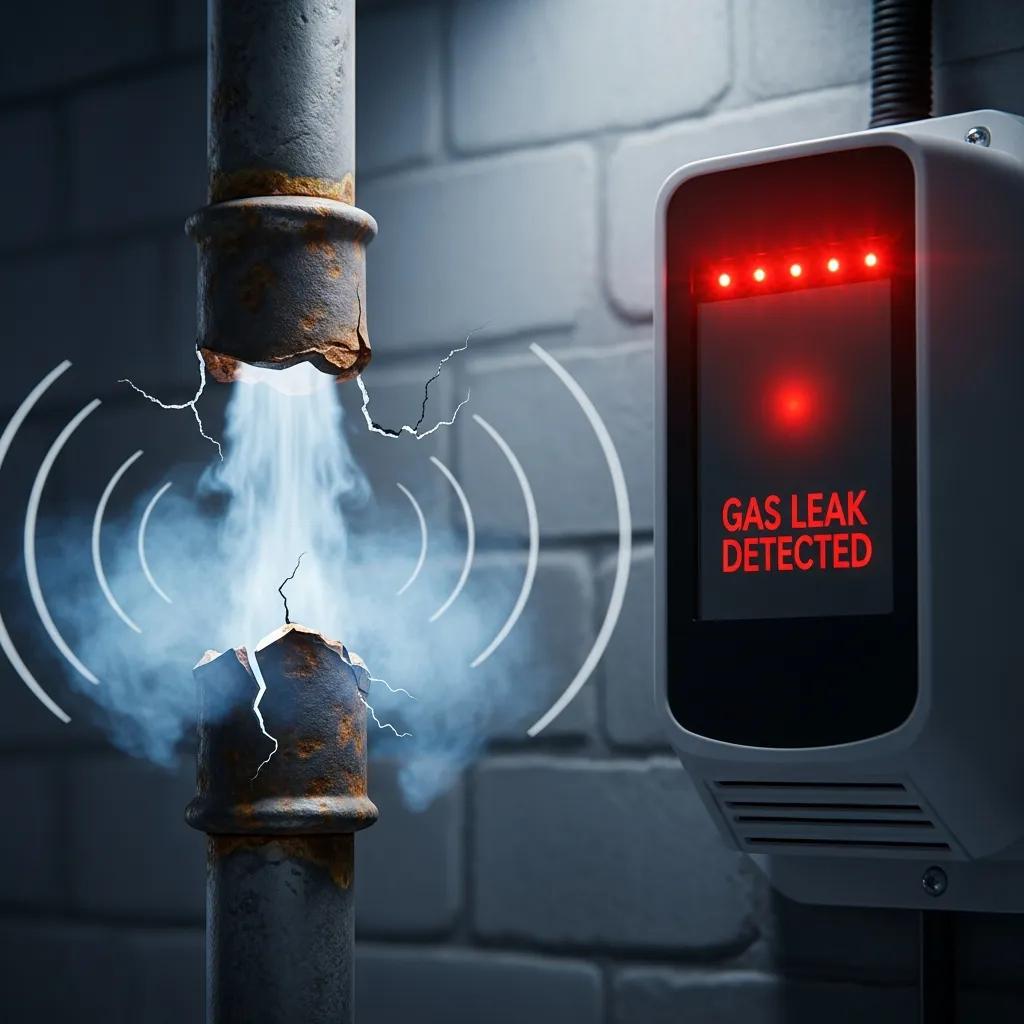
The most obvious sign is the smell — natural gas has a rotten-egg odor added (mercaptan) so you can notice it. You might also hear a hissing or whistling noise near pipes or appliances where gas is escaping. If you detect either, leave the area immediately and call for professional help.
What physical symptoms point to gas exposure?
Exposure can cause headaches, dizziness, nausea, and tiredness. In severe cases someone may faint or suffer life‑threatening effects. If anyone feels sick and you also smell gas, evacuate and call emergency services right away.
Who should you call first during a gas leak emergency?
Knowing the right sequence of calls can protect lives and limit damage. Follow these steps to get help fast and safely.
When to call 911, your gas company, and an emergency plumber
Call 911 for any immediate danger to life or property. If you smell gas or suspect a leak, contact your gas utility as soon as you’re safe — they can shut off service and assess the line. Call an emergency plumber for plumbing-related gas issues or if repairs are needed after the utility secures the area.
A clear emergency plan and quick information sharing are key to an effective response when hazardous gas is involved.
Hazardous Gas Leakage: Emergency Response Planning
Effective emergency response to hazardous gas leaks combines timely information, a personal action plan, and an awareness of factors like gas flow, leak location, and wind conditions. These elements shape how responders and residents act during an incident.
Risk-based personal emergency response plan under hazardous gas leakage: Optimal information dissemination and regional evacuation in metropolises, N Zhang, 2017
Why choose certified gas leak repair services like Anytime Rooter?
Using certified technicians — such as the team at Anytime Rooter — means trained professionals arrive ready to assess and fix the problem. We offer 24/7 response and certified staff who can locate a leak, secure your property, and complete repairs safely so you can get back to normal.
What causes gas leaks and how can you prevent them?
Knowing the common causes helps you reduce risk. Many leaks stem from old equipment, accidental damage, or improper installation.
How do aging pipes and damaged appliances lead to gas leaks?
Pipes and fittings corrode, crack, or get knocked loose over time — and appliances can develop worn seals or faulty connections. Regular maintenance and prompt repairs keep these components working safely and lower the chance of a leak.
What are best practices for gas line installation and maintenance?
Preventive steps include using certified installers, choosing quality materials, and scheduling routine inspections. Homeowners should watch for wear, rust, or any unusual smells and arrange professional checks when something seems off.
How is professional gas leak detection and repair performed?
Qualified technicians follow proven methods and safety checks to find and fix leaks without creating more risk.
What methods do certified plumbers use for gas leak detection?
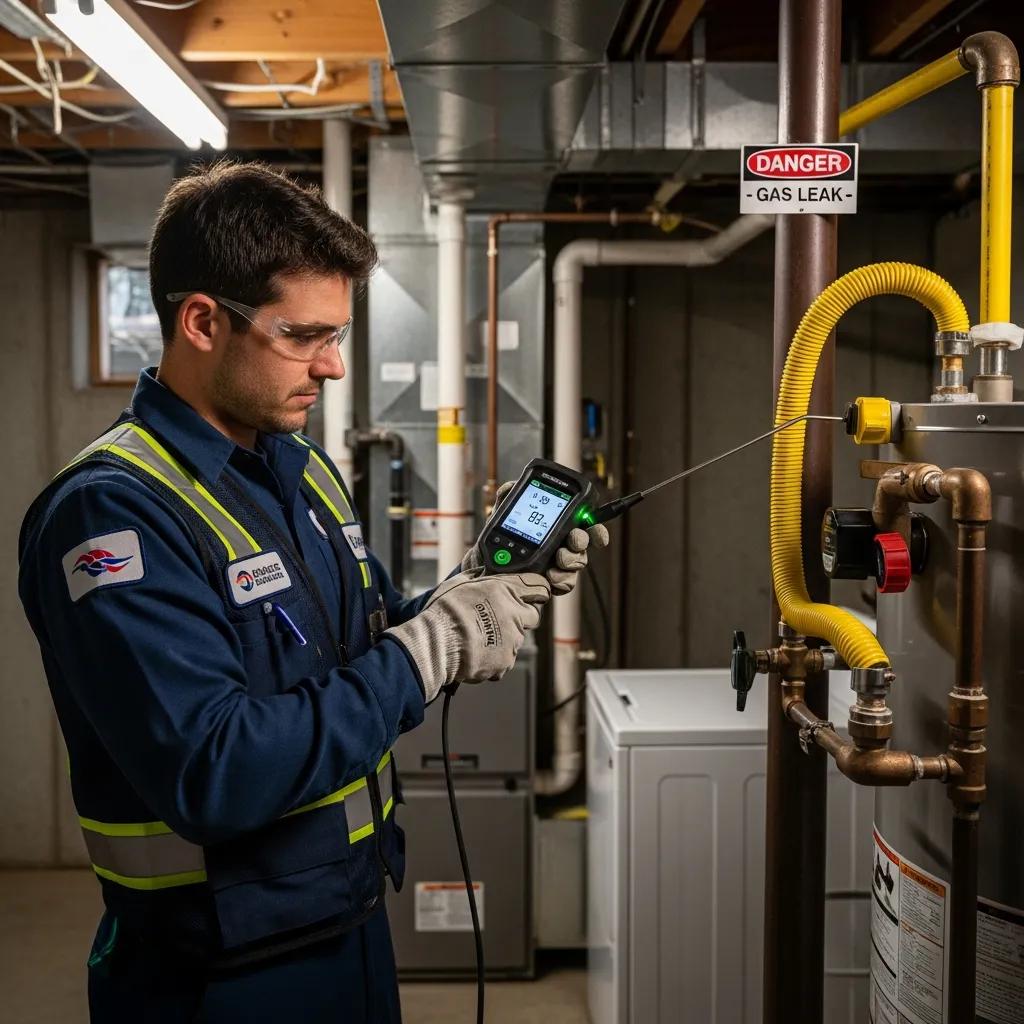
Plumbers use electronic gas detectors to measure gas concentrations and simple tests like soapy water to reveal escaping gas by bubbles. These techniques let technicians pinpoint leaks safely and efficiently.
What does the gas leak repair process involve?
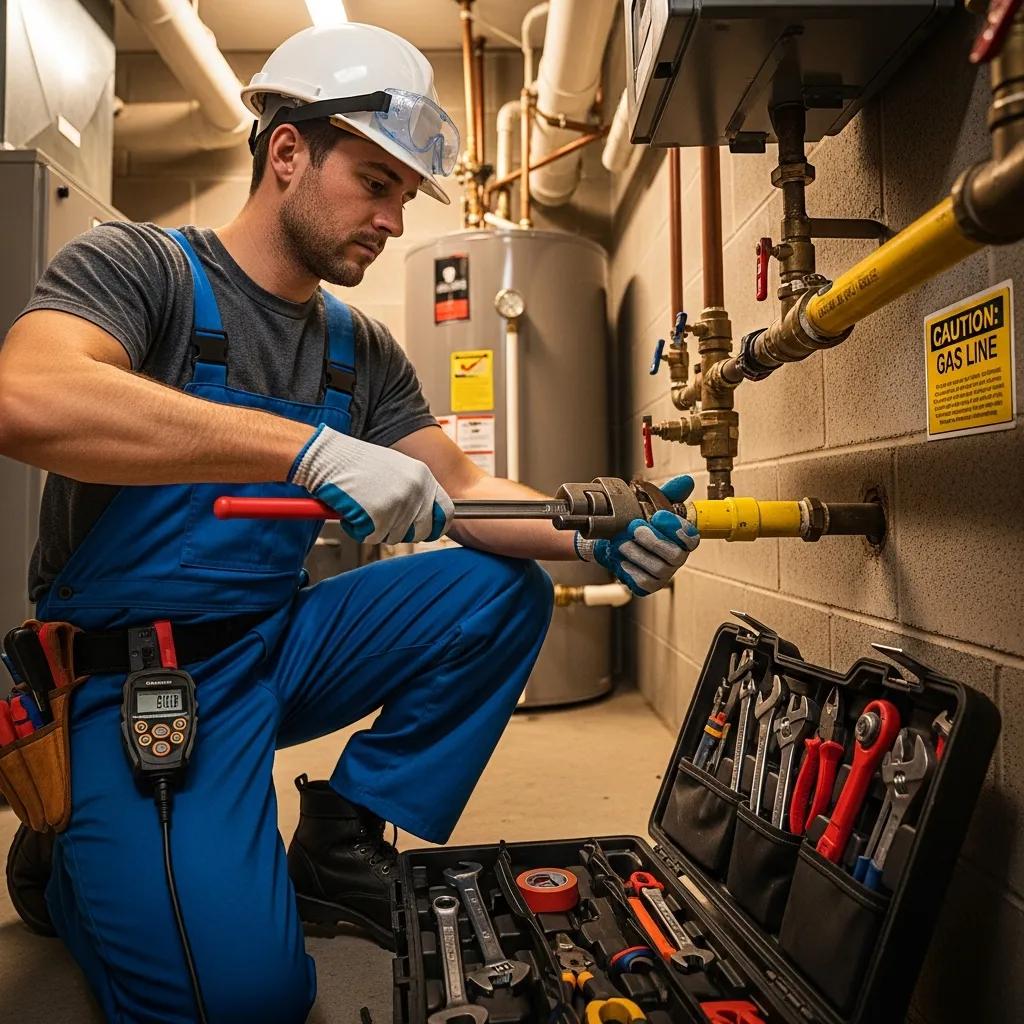
Technicians start with an assessment to locate the source, then repair or replace the damaged section and secure all connections. After repairs, they perform inspections and pressure tests to confirm the leak is fixed before restoring service.
What factors influence gas leak detection and repair costs?
Several elements affect price. Knowing them helps you plan and compare estimates responsibly.
How do severity and location affect repair pricing?
Simple leaks cost less to diagnose and fix. Major leaks, hard-to-reach lines, or repairs that require replacing sections of piping raise the price. Local familiarity — for example, technicians who regularly work in areas like Marina del Rey — can speed response and reduce disruption.
What are typical cost ranges for gas leak services in Los Angeles County?
Costs vary with complexity. Basic detection commonly falls between $150 and $250, while more involved repairs can exceed $500 depending on the extent of the damage and site access.
These ranges show how service type and site conditions influence final pricing.
How can homeowners ensure gas safety after detection and repair?
After a repair, a few practical habits will keep your home safer long term.
What are essential gas safety tips for residential properties?
Homeowners should follow these basics:
- Regular inspections: Arrange annual checks of gas lines and appliances to catch issues early.
- Install detectors: Use carbon monoxide alarms and, when available, natural gas detectors in key areas to get early warnings.
- Teach your household: Make sure everyone recognizes the signs of a leak and knows what to do in an emergency.
How do I schedule regular gas line inspections and maintenance?
Set up a recurring inspection plan with a certified company like Anytime Rooter. Regular maintenance keeps systems in good shape and helps prevent surprise repairs.
By knowing the signs of a leak, who to call, and how repairs work, homeowners can reduce risk and protect their families. Emergency gas leak detection and repair services from trusted pros like Anytime Rooter give you reliable support when it matters most.
For detailed guidance on residential gas safety, technical leak reduction, and emergency planning, authoritative resources can provide valuable reference material.
Residential Gas Safety: Detection, Repair & Emergency Planning
This handbook offers technical guidance on reducing gas leaks and handling incidents in homes. It reviews natural gas hazards, applicable codes and standards, maintenance and engineering for pipe failures, leak detection, appliance servicing, and procedures for pipe installation, repair, and replacement. It also covers recordkeeping, emergency planning, tenant education, and staff training.
Natural gas pipeline safety in residential areas served by master meters. a handbook, 1975
Frequently Asked Questions
What should I do if I suspect a gas leak in my home?
If you suspect a leak, get everyone out immediately and move to a safe distance. Don’t switch lights or use phones inside the building. Once you’re safe, call your gas company or 911 to report the leak. Wait for professionals to confirm it’s safe before returning.
How often should I have my gas lines inspected?
Have gas lines and appliances checked at least once a year. If you notice corrosion, loose fittings, strange smells, or other concerns, schedule an inspection right away to prevent bigger problems.
Can I detect a gas leak without professional help?
You can watch for signs like the rotten-egg smell or hissing sounds, but professional detectors are more reliable. If you suspect a leak, don’t try to diagnose it yourself — call a certified technician.
What are the long-term effects of gas exposure?
Chronic exposure can lead to respiratory issues, ongoing headaches, and other health problems. Immediate symptoms like dizziness and nausea should be treated seriously; seek medical care if you think you’ve been exposed.
Are there any specific regulations for gas line installation?
Yes — gas line work must follow local building codes and safety standards that vary by area. Always hire certified professionals who know the rules and pull the necessary permits and inspections.
What should I do if my gas appliances are malfunctioning?
If an appliance behaves oddly or smells of gas, turn it off and stop using it. Contact a qualified technician to inspect and repair the appliance before using it again.
How can I educate my family about gas safety?
Talk through the signs of a leak, practice an evacuation plan, and make sure everyone knows emergency numbers. Regular drills and clear instructions help everyone react calmly and safely if a leak occurs.
Conclusion
Emergency gas leak detection and repair are critical for protecting people and property. Spot the signs early, follow safe evacuation steps, and call certified professionals like Anytime Rooter for fast, reliable service. Protect your home today by scheduling a gas line inspection and keeping your family safe.