How to Spot Emergency Toilet Problems and What to Do Right Away
Toilet problems can go from annoying to emergency in minutes. Knowing the right warning signs—overflowing bowl, water at the base, repeated backups, sewer smells, or gurgling—lets you act fast to protect people and your property. This guide shows you how to tell fixture problems from mainline or sewer issues, which short-term, safe steps you can take before help arrives, and when to call a 24/7 emergency plumber. We focus on safety-first actions, documenting damage for insurance, and clear options for immediate help from Anytime Rooter when a licensed, insured crew is needed. Read on for prioritized warning signs, quick checklists, pre-arrival steps, Los Angeles County service details, and straight-forward cost ranges so you can respond with confidence.
Most common emergency toilet warning signs
Emergency toilet signs are visible or audible symptoms that mean you should act now to avoid water damage, structural problems, or health risks. These usually come from fixture failures (a cracked tank or failed wax ring), severe clogs that cause overflow, or sewer-line backflows affecting multiple fixtures. Knowing the likely cause helps you choose the safest next move. Below are the most urgent, easy-to-spot signs and why they matter.
- Water in the bowl keeps rising after a flush — a sign an overflow is imminent.
- A strong sewage smell from the toilet — likely sewer gas or a backup.
- Repeated backups or multiple fixtures backing up — often points to a mainline problem.
These are red flags that usually need professional diagnosis and fast action to limit damage and health hazards. If you see any of these and need immediate help, Anytime Rooter offers 24-hour emergency toilet repair and related services across Los Angeles County to stop escalation quickly.
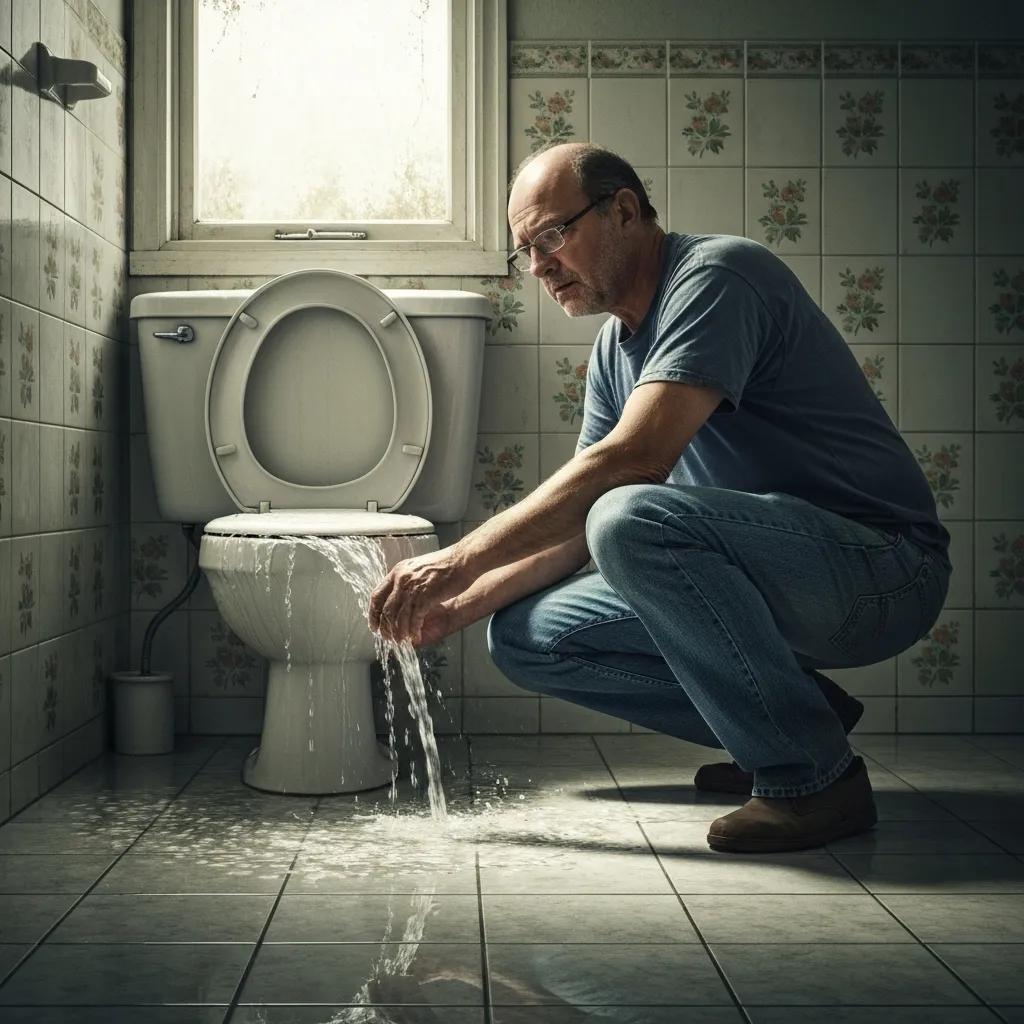
How to recognize an overflowing toilet emergency
An overflowing toilet emergency is when bowl water climbs above its normal level and keeps rising even after you stop using it. That happens when a severe fixture clog or a blocked sewer main won’t let water drain. Trapped water will spill onto the floor and can soak subfloors and spread to nearby rooms—so early recognition matters. Look for repeated rise-and-fall cycles, brown or foul water that smells like sewage, or persistent bubbling after a plunger. Those are signals to stop DIY escalation and focus on containment. Immediate steps include shutting off the toilet’s fill valve and using towels or a shallow container to capture overflow. If water keeps rising or sewage is present, you need a professional to clear and sanitize the system.
Warning signs of toilet leaks and water damage
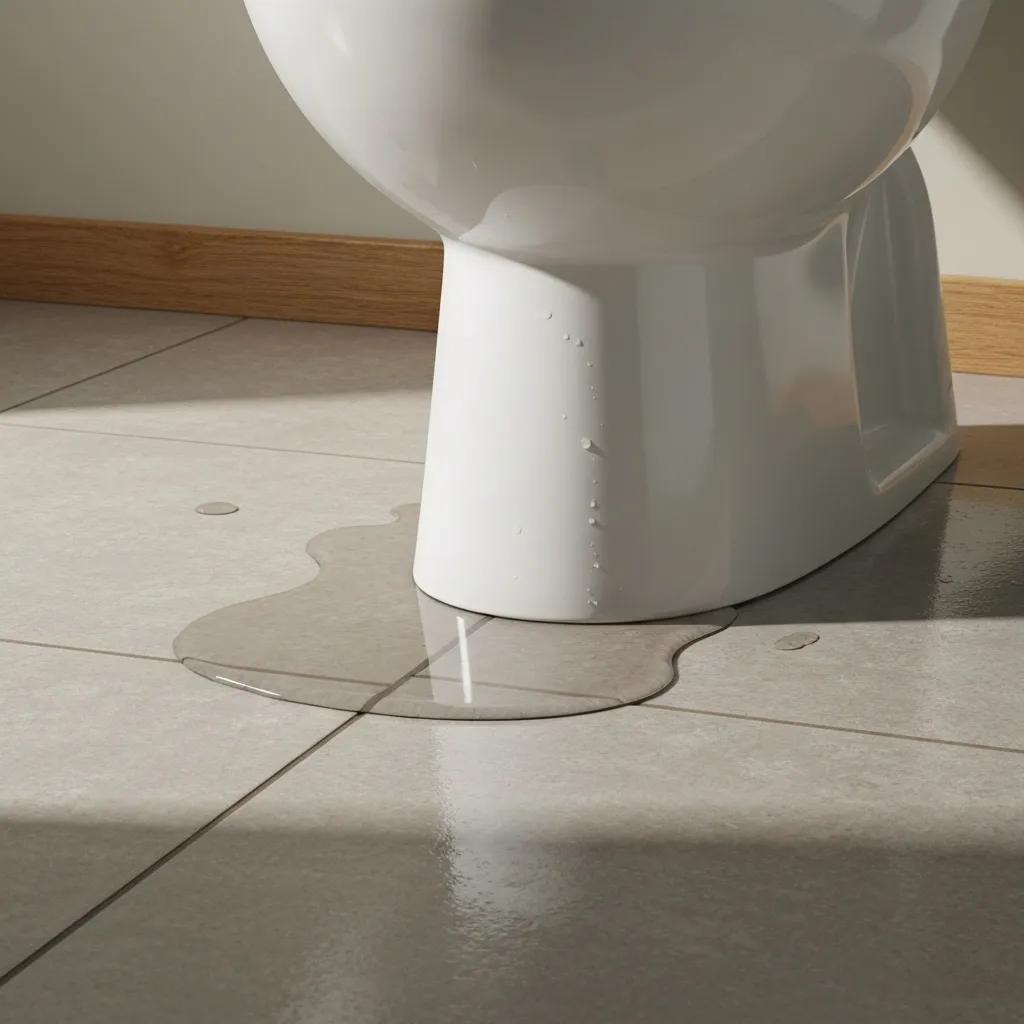
Leaks usually show as puddles at the toilet base, soft or damp flooring nearby, stains on walls or ceilings below a bathroom, or a tank that keeps running. Common causes include a failed wax ring or flange, a cracked tank or bowl, loose tank bolts, or a bad supply line—knowing whether the leak is a slow weep or sudden flood helps set urgency.
Quick checks are simple: look for discoloration around the base, gently rock the toilet to sense flange trouble, and watch the tank after flushing for hairline cracks or continuous refilling that points to a worn flapper or fill valve.
Contain any visible water, photograph damage for insurance, and arrange fast professional repair to protect floors and structural elements from rot and mold.
The table above highlights high-priority signs, likely causes, and safe immediate steps to reduce damage while you wait for a pro.
How to detect a clogged toilet that needs urgent repair
A clog is urgent when plunging doesn’t clear it, when other fixtures back up, or when you notice sewage smells—these point to a deeper clog or a sewer main issue rather than a simple trap blockage. To check, try a flange plunger with a pump-and-seal motion and see if the trap clears. Flush other fixtures to see if they back up at the same time—multiple affected drains usually signal a mainline problem. Listen for persistent gurgling, which suggests trapped air and partial blockages. If plunging fails, sewage appears, or multiple fixtures show symptoms, stop DIY attempts that might make a mainline issue worse and call a professional.
- See whether a plunger clears the bowl and note how many plunges it takes.
- Check other drains; slow or backed-up sinks, tubs, or floor drains point to a larger problem.
- Watch for sewage odor, discolored water, or steady gurgling while fixtures run.
These checks help you decide whether to continue safe at-home steps or call for urgent, professional help.
What causes toilet clogs and when to call a plumber
Toilet clogs come from flushed foreign objects, too much paper, hardened buildup, or in severe cases, tree-root intrusion into sewer laterals. Simple fixture-level obstructions often respond to a plunger or hand auger. But if clogs recur quickly, multiple fixtures are affected, or sewage is present, the issue likely sits in the main sewer line and needs a licensed plumber with camera inspection and hydrojetting tools.
Call a plumber if plunging doesn’t work, backups come back shortly after clearing, or other drains show problems—those are signs an auger alone may not reach and that higher-pressure cleaning or trenchless repairs could be required. Early professional assessment prevents repeated emergencies and limits property damage.
Sewer systems are complex; some blockages need specialized equipment and testing to locate and clear safely.
Sewer monitoring methods for blockages and overflows
In dense urban areas, sewer clogs can cause manholes to overfill and disrupt the system. Researchers have compared visual, acoustic and laser monitoring tools across parameters like accuracy, maximum pipe diameter, pipe type and cost. Using a weighted, multi-criteria approach helps cities choose the best monitoring method for locating blockages and preventing overflows. A Aniskin, 2021
How to recognize gurgling drains as a warning sign
Gurgling usually means air is trapped in the drain line because of a partial blockage or a blocked vent. If the toilet gurgles when other fixtures run, that often points to a shared drain or mainline restriction where air compresses and escapes through the bowl. Simple checks include running water in a sink or tub while listening for the noise and seeing if plunging affects it. Persistent or worsening gurgling is a warning—call a professional, because it can precede a full backup or sewer intrusion.
Avoid chemical drain cleaners for gurgling issues; mechanical clearing and a camera inspection are safer and more effective at finding the root cause.
Why these toilet repair signs need immediate attention
Delaying repair increases water damage, structural decay, mold growth, and health risks from sewage exposure—each adds time, cost, and complexity to the fix. Leaks and overflows can saturate subfloors and wall cavities in hours to days, creating conditions for rot and mold that require remediation beyond plumbing work. Sewage carries pathogens and bioaerosols that threaten occupants, so quick containment and professional cleanup reduce exposure. Acting fast also preserves documentation for insurance and gives technicians the best chance to use less invasive, lower-cost repair methods.
- A short delay can turn a simple fixture repair into a full subfloor replacement.
- Immediate action reduces mold risk and expensive remediation.
- Early professional diagnosis often enables trenchless or targeted repairs instead of extensive excavation.
Safety and property risks of ignoring toilet emergencies
Left unattended, water and sewage soak building materials, speed up structural damage, weaken framing, and can complicate insurance and warranty claims. Water spreads quickly under floors and behind walls—hardwood can warp, drywall can delaminate, and insulation can retain moisture—each one increasing repair scope and cost. Untreated leaks also encourage mold and pests, and prolonged exposure to contaminated water raises health concerns. Licensed mitigation stops the source, dries and sanitizes affected areas, and recommends repairs to prevent recurrence.
How emergency toilet issues affect your health and home
Sewage exposure can bring bacteria, viruses, and parasites that cause gastrointestinal and respiratory illness. Backup events can aerosolize contaminants that settle on surfaces or enter HVAC pathways if not contained. From a home perspective, moisture encourages mold that harms indoor air quality and can lead to costly abatement, while water near outlets poses electrical hazards. Immediate containment, safe ventilation, and professional sanitation protect both your family’s health and your property value until repairs are made.
What to do before the emergency plumber arrives
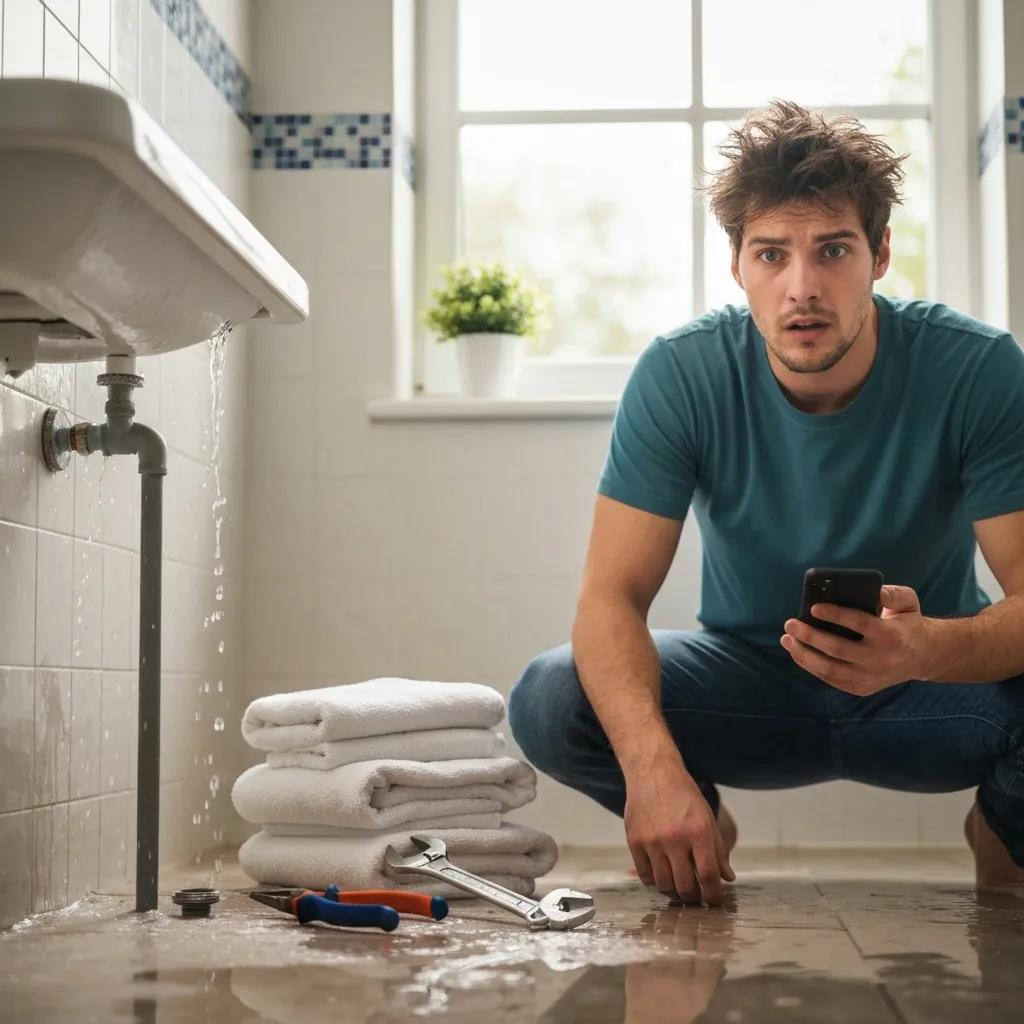
Before a technician arrives, focus on stopping water, containing contamination, protecting electrical circuits and valuables, and documenting the event for insurance and repair planning.
The approach is simple: stop the water, move or elevate belongings, and capture overflow. These safe steps reduce the scale of the problem and make it quicker for the pro to diagnose and repair.
Follow this ordered checklist—start with the easiest, lowest-risk actions so you reduce harm without creating new hazards.
- Turn off the toilet’s local shutoff valve to stop incoming water and prevent the tank from refilling.
- Contain overflow with towels and shallow containers; move rugs and valuables out of the affected area.
- If water is close to outlets or switches, shut off electrical circuits and open windows for ventilation only if it’s safe to do so.
- Photograph the damage, note the time the issue began, and record actions you took to help with insurance and repair planning.
- Avoid chemical drain cleaners and do not attempt risky disassembly without the right tools and training.
These steps limit immediate damage and preserve evidence so emergency technicians can diagnose and repair faster when they arrive.
How to turn off your toilet’s water supply quickly and safely
Most toilets have a shutoff valve on the wall or floor behind the bowl. Turn it clockwise until it stops to shut off flow into the tank. Common valve types (compression and angle-stop) usually need only a quarter- to full-turn. If the valve is stuck or inaccessible, shut off the building’s main water supply to prevent flooding—note this affects the whole property. After closing a valve, flush once to confirm the tank doesn’t refill and listen for any continuing water noise. If water keeps running, stop and wait for a licensed professional.
Temporary measures to prevent further toilet damage
Focus on low-risk containment and clear documentation: lay down towels or waterproof barriers to limit spread, put a shallow bucket under drips, and move furniture and textiles away from wet areas. Don’t handle outlets with wet hands and avoid using extension cords in wet zones. For partial clogs, careful plunging can help—stop if water level keeps rising or sewage appears. Avoid chemical drain cleaners; they can harm pipes and complicate inspections. Photograph the scene and leave wet materials in place for technicians so they can assess damage accurately.
This comparison helps you pick the safest, most effective short-term actions while you wait for professional help.
If you need immediate dispatch, remember that licensed, insured emergency services with 24-hour response usually resolve issues faster and safer than extended DIY. Anytime Rooter provides round-the-clock emergency plumbing, drain cleaning, sewer inspection and related services across Los Angeles County to stop leaks, clear blockages, and limit ongoing damage.
How Anytime Rooter delivers 24/7 emergency toilet repair in Los Angeles
Anytime Rooter supports Los Angeles County property owners and managers with a true 24-hour emergency response focused on fast diagnosis, containment and repair of urgent toilet and sewer problems. Our emergency toolbox includes toilet repair, drain cleaning, sewer camera inspection, hydrojetting and trenchless sewer repair, plus water heater and gas leak work—so technicians match the repair to the root cause.
We build trust through family-owned service values, licensed and insured technicians, transparent pricing with free estimates, and a satisfaction guarantee designed to reduce stress during an emergency.
For faster service, have your address, a brief symptom description, and any notes from your initial mitigation ready so technicians can arrive prepared.
Why homeowners choose Anytime Rooter for emergency toilet repairs
We prioritize fast dispatch, broad technical capability, and customer-friendly policies that reduce friction when you’re in a crisis. Our key differences are 24-hour availability across Los Angeles County, a family-owned service approach focused on satisfaction, and licensed, insured teams able to perform drain cleaning, camera inspections, hydrojetting, trenchless repairs and more to handle both fixture and mainline issues.
- 24-hour emergency response for urgent toilet and sewer issues.
- Licensed and insured technicians offering comprehensive plumbing services.
- Transparent pricing, free estimates, and a satisfaction-focused service approach.
When time matters, a licensed emergency plumbing provider delivers faster, safer results and clearer next steps.
How to contact Anytime Rooter for immediate toilet repair
Before you call or submit a request, gather the property address, a short description of the symptoms (overflowing water, sewage odor, gurgling, or base leaks), and any actions you took like shutting off the supply or containing spills. Use the company’s online contact form or listed service request channels to start dispatch, and be ready to share access details and any hazards like electrical exposure.
Photos and notes about timing help technicians triage the call and bring the right gear—camera inspection tools, hydrojetting units or replacement parts—so they can stabilize the situation quickly and recommend targeted repairs to prevent a repeat.
Frequently Asked Questions
What should I do if my toilet is gurgling?
Gurgling often means trapped air from a partial blockage or a blocked vent. Run water in another fixture to see if the sound continues. If it does, stop using the toilet and call a plumber for an inspection. Avoid chemical drain cleaners—they can damage pipes and make diagnosis harder.
How can I prevent toilet emergencies in the future?
Prevent problems with regular upkeep and smart use: don’t flush wipes or other non-biodegradable items, check for leaks periodically, and replace worn parts like flappers and fill valves when needed. Consider an annual plumbing check to catch slow-developing issues before they become emergencies.
What are the health risks associated with toilet overflow?
Toilet overflow can expose people to sewage-borne bacteria, viruses and parasites that cause gastrointestinal and respiratory illnesses. If sewage contaminates surfaces or air, it can create bioaerosols that spread pathogens. Quick containment and professional cleanup are essential to protect household health.
How do I know if I need to replace my toilet?
Think about replacement if the toilet clogs often, shows visible cracks, leaks at the base, runs constantly, or is very old (25+ years). Newer models can be more reliable and water-efficient. A plumber can advise whether repair or replacement makes the most sense.
What should I document during a toilet emergency?
Document for insurance and repairs: take clear photos of pooling water and visible damage, note the time the issue began, list any actions you took (shut off water, contained spills), and record odd sounds or smells. That information helps professionals assess the situation and supports claims.
Can I use a plunger for all types of toilet clogs?
A plunger works for many clogs—use a flange plunger for the best seal—but not all. Severe clogs, recurring backups, or sewage odors usually mean a mainline issue where plunging won’t help. In those cases, call a professional to avoid making things worse.
What are the signs that my toilet needs immediate professional help?
Immediate help is needed for persistent overflow, strong sewage odors, or repeated backups affecting multiple fixtures. If you see these, stop using the toilet, contain any water, and contact a licensed plumber to assess and repair safely.
Top 3 warning signs of a toilet emergency
The top three warning signs are overflow, a strong sewage smell, and persistent backups. Overflow means water is trapped and flooding is likely—shut off the toilet’s water supply and contain spills. A strong sewage smell suggests sewer gas or backup—contain the area, ventilate if safe, and call a pro. Repeated backups or multiple fixtures affected usually indicate a mainline problem—don’t keep flushing; request emergency service right away. These prioritized actions reduce damage and exposure while a technician is on the way.
How much does emergency toilet repair typically cost in Los Angeles?
Emergency repair cost depends on the root cause, replacement parts, time of service, and whether sewer-line tools like cameras or hydrojetting are needed. Treat early estimates as ranges and request a free diagnosis for an accurate quote. Typical cost drivers include parts (flapper, fill valve, wax ring), labor time, and whether trenchless repair or hydrojetting is required for mainline blockages.
These ranges show how complexity and equipment needs affect cost. A free estimate and professional diagnosis will give the exact scope and pricing for your emergency.
This guide helps you spot urgent toilet problems, take safe pre-arrival steps, and engage a licensed emergency plumbing provider with clear expectations for diagnosis and repair. Acting quickly—shutting off water, containing spills, documenting damage, and calling a qualified emergency team—reduces harm, health risk and downtime so you can get your plumbing back to normal sooner.
Conclusion
Spotting emergency toilet signs early can save your home and health from costly damage. Know the red flags, take safe, immediate steps to contain the problem, document what happened, and call a licensed emergency plumber when needed. For fast, reliable help, consider reaching out to Anytime Rooter—responding quickly is the best way to limit damage and get your plumbing back in working order.