Residential Pipe Repair: Practical Methods, Expert Advice, and What Owners Should Know
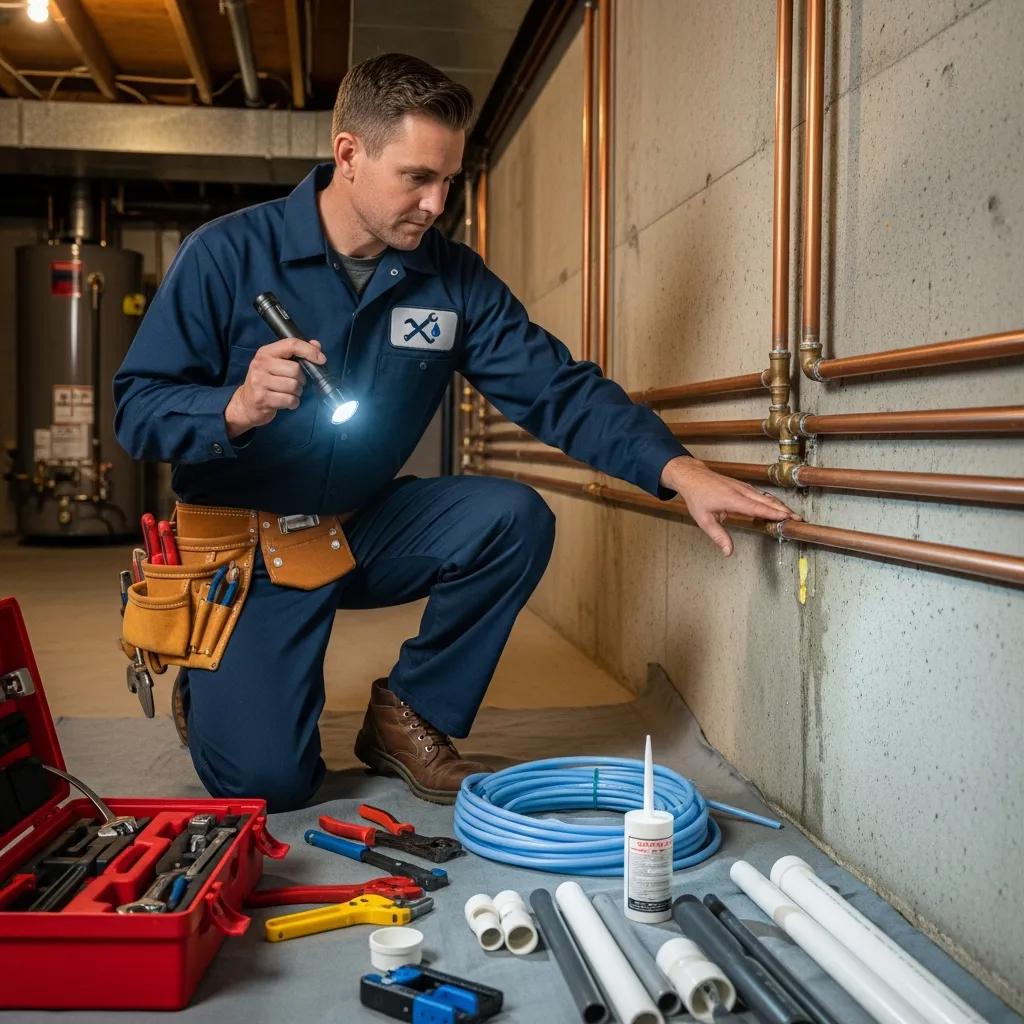
Pipe damage in the home can quickly turn into bigger problems — water leaks, mold, and even structural damage. Knowing the most effective repair options helps homeowners protect their property and avoid surprises. This guide walks through the common signs of pipe trouble, the repair methods that work best in different situations, how pipe materials affect solutions, and what to do in a plumbing emergency. We’ll also cover typical costs for professional plumbing services so you can tell when it’s time to call in a pro. By the end, you’ll have clear, practical steps to spot issues early and make smart repair decisions.
What Are the Common Signs and Causes of Residential Pipe Damage?
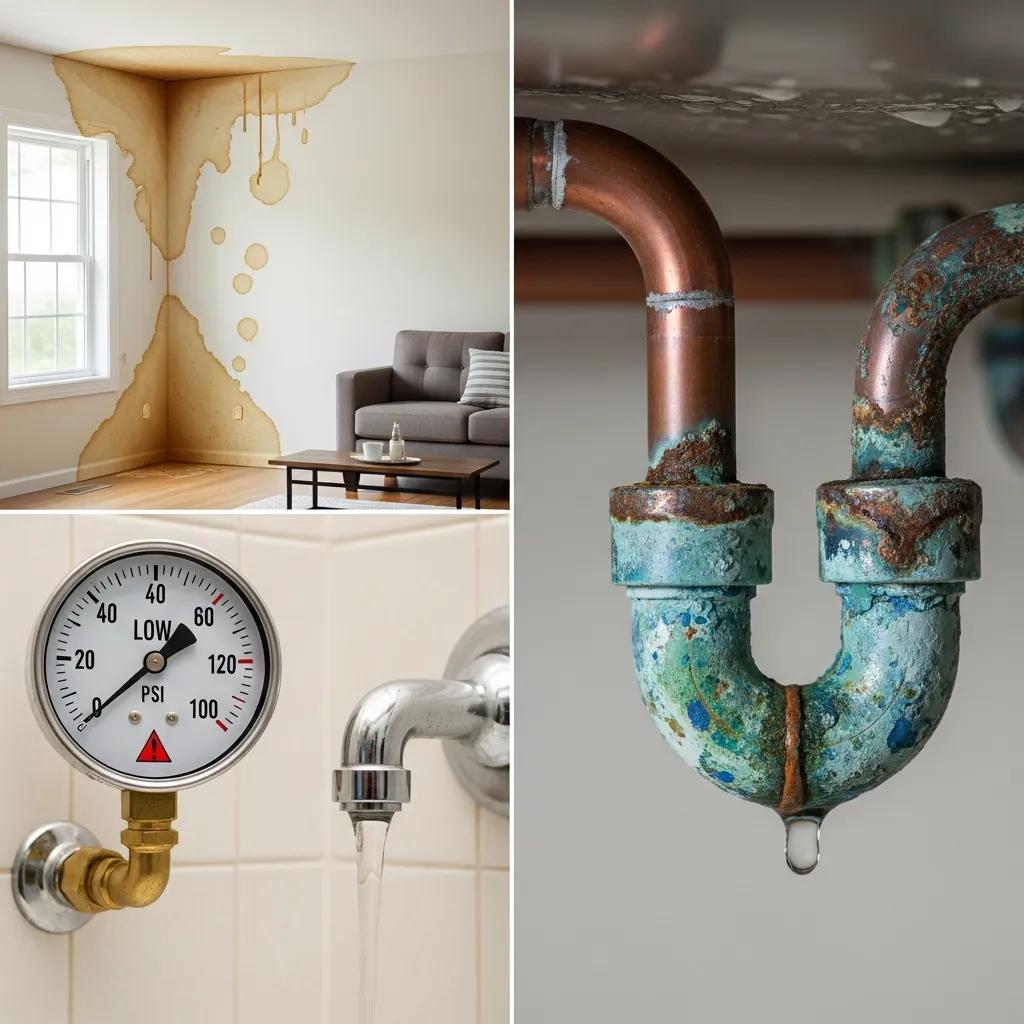
Spotting pipe problems early can save a lot of time and money. Look for visible clues such as stains, weak water flow, or strange noises coming from your plumbing. Catching these signs early makes repairs simpler and prevents further damage.
How to Identify Signs Your Pipes Need Repair?
Keep an eye out for these common warning signs that a pipe repair may be needed:
- Water Stains on Walls: Discolored or damp patches can mean a hidden leak behind the wall or ceiling.
- Low Water Pressure: A sudden or persistent drop in pressure often points to a blockage or a leak somewhere in the system.
- Unusual Noises: Banging, gurgling, or continuous knocking can indicate trapped air, loose fittings, or failing pipes.
Catching these issues early helps keep repair work smaller and less costly.
What Causes Pipe Damage in Homes?
Several common factors lead to pipe problems. Knowing them helps you prevent trouble:
- Corrosion: Metal pipes (like iron or copper) can corrode over time from water chemistry, eventually causing pinhole leaks or weakened joints.
- Tree Root Intrusion: Roots can grow into sewer or drain lines, causing blockages and cracks that worsen over time.
- Freezing Temperatures: In cold weather, water left in unprotected pipes can freeze and expand, causing pipes to crack or burst when they thaw.
Understanding these causes makes it easier to take simple steps that protect your plumbing system.
Which Residential Pipe Repair Methods Are Most Effective?
How Does Trenchless Pipe Repair Work and When Is It Ideal?
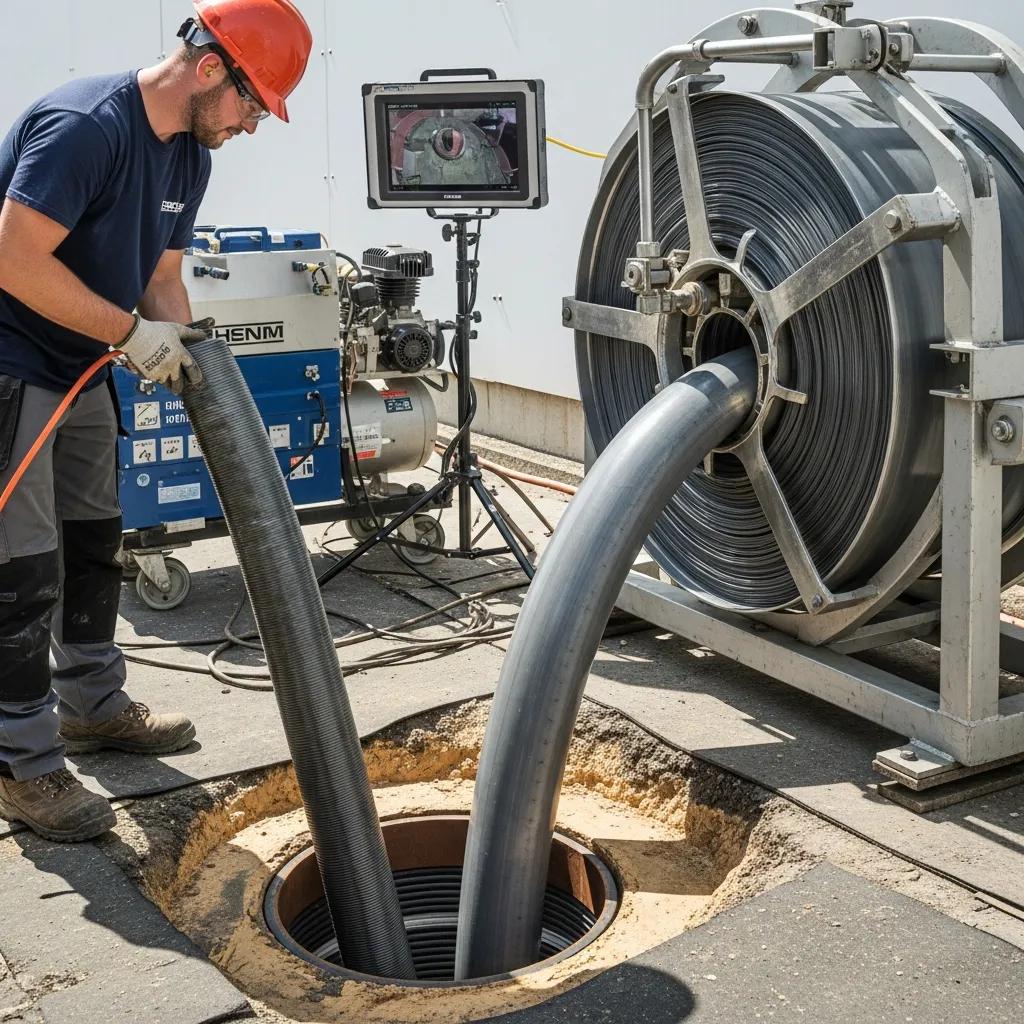
Trenchless repair lets technicians fix pipes with little or no digging. Typically, a new liner is inserted into the old pipe and cured in place, creating a durable new pipe inside the old one.
- Less Invasive: Keeps landscaping, driveways, and lawns intact by avoiding large trenches.
- Cost-Effective: While equipment costs can be higher, you often save on labor and restoration compared with full excavation.
- Ideal for Certain Conditions: Works best for long runs of damaged pipe or locations where digging is impractical.
For many homeowners, trenchless methods are a faster, cleaner way to restore sewer and drain lines without major property disruption.
What Are Traditional Pipe Replacement and Spot Repair Techniques?
Traditional replacement involves excavating and replacing the damaged section, while spot repair targets only the damaged area rather than the whole run.
- Excavation Process: Full replacement requires digging to access the pipe, which adds labor and restoration time.
- Material Considerations: The pipe material influences which repair makes sense — some materials fail gradually, others fail suddenly.
- When to Use Each Method: Choose spot repair for localized damage; choose full replacement when corrosion or repeated failures affect a larger section.
Knowing the trade-offs helps homeowners pick the most practical, long-lasting option for their situation.
How Do Different Pipe Materials Affect Repair Solutions?
What Are the Repair Challenges for Copper, PVC, and PEX Pipes?
Different materials call for different repair approaches:
- Copper Pipes: Susceptible to corrosion and pinhole leaks; repairs often require soldering, which takes skill to do right.
- PVC Pipes: Corrosion-resistant but can become brittle with age or sunlight exposure; cracked PVC often needs section replacement.
- PEX Pipes: Flexible and freeze-resistant, PEX is easier to work with but typically needs compatible fittings and the right tools.
Recognizing your home’s pipe types makes it easier to plan repairs and estimate costs.
How Are Specialized Repairs Like Soldering and Welding Applied?
Certain pipe materials require specialized techniques:
- Soldering: Common for copper — a skilled technician melts filler metal to form a tight joint. Proper technique prevents future leaks.
- Welding: Used for steel or iron lines; welding fuses metal for a permanent joint but requires trained technicians and the right equipment.
These methods ensure a reliable repair, especially in systems under high pressure or heavy use.
What Should Homeowners Do During a Plumbing Emergency?
What Immediate Steps Can You Take for Emergency Pipe Repair?
If a pipe fails, quick action reduces damage. Follow these steps:
- Shut Off the Water Supply: Find and close the main shut-off to stop flooding.
- Use Temporary Fixes: Apply a clamp, rubber patch, or even plumber’s tape as a short-term measure until a professional arrives.
- Contact a Professional: Reach out to a licensed plumber for a permanent repair — especially for major leaks or where structural damage is possible.
These steps help limit water damage and give professionals time to arrive and assess the problem safely.
How Can Preventative Maintenance Extend Pipe Longevity?
Routine care goes a long way toward avoiding costly repairs. Try these simple habits:
- Regular Inspections: Schedule yearly checks or inspections whenever you suspect an issue to catch small problems early.
- Insulation Techniques: Wrap exposed pipes in cold areas to prevent freezing and reduce stress from temperature swings.
- Seasonal Maintenance Tips: Flush drains, check hose connections, and prepare outdoor spigots before winter to reduce failure risk.
Small, consistent maintenance steps can add years to your plumbing’s life and reduce emergency calls.
What Are the Costs and When Should You Call a Professional Plumber?
What Factors Influence Residential Pipe Repair Costs?
Several things affect the final repair bill:
- Location of Damage: Hard-to-reach pipes or those under concrete are more expensive to access and repair.
- Type of Repair Needed: Trenchless lining, full replacement, and welding all vary in labor and equipment costs.
- Material Costs: The type and availability of pipe materials and fittings affect the price — some materials cost more to replace.
Knowing these factors helps you get clear estimates and compare quotes from contractors.
Why Choose Anytime Rooter & Plumbing for Your Pipe Repair Needs?
At Anytime Rooter & Plumbing, we bring over 39 years of family-run experience to every job. Our team handles emergency repairs, hydrojetting, sewer camera inspections, and more. We focus on clear communication, fair pricing, and work that lasts — so you can get back to your day with confidence.
In short, understanding the right methods for residential pipe repair helps you protect your home and budget. Recognize the signs early, pick the repair approach that fits the problem, and call a trusted plumber when the job is beyond a quick temporary fix. If you need professional help, Anytime Rooter & Plumbing is ready to assess your situation and recommend the best next steps.
Frequently Asked Questions
What preventative measures can I take to avoid pipe damage?
Preventing pipe damage is mostly about routine care. Schedule regular inspections, insulate exposed pipes in cold areas, avoid pouring grease or large food particles down kitchen drains, and perform seasonal checks (especially before winter). These habits reduce clogs, corrosion, and freeze-related breaks.
How can I tell if my pipes are made of copper, PVC, or PEX?
You can usually identify pipe types by appearance and feel. Copper is reddish-brown and metallic. PVC is rigid, white or gray plastic. PEX is flexible and often colored red or blue for hot and cold lines. If you’re unsure, a plumber can confirm the material and advise on repairs.
What should I do if I notice a leak in my pipes?
If you find a leak, shut off the main water supply right away to limit damage. Apply a temporary patch or clamp if it’s safe to do so, document any damage for insurance, and call a licensed plumber for a permanent repair. Quick action reduces cleanup and repair costs.
Are there any DIY methods for minor pipe repairs?
There are temporary fixes you can use for small leaks: epoxy putty, pipe repair clamps, or plumber’s tape can hold until a professional arrives. For minor clogs, a baking soda and vinegar flush or a hand auger can help. For anything beyond a short-term patch, call a pro to avoid bigger problems.
How often should I have my plumbing system inspected?
We recommend an annual plumbing inspection to check for leaks, corrosion, and drain issues. If you notice low water pressure, odd noises, or visible leaks, schedule an inspection sooner. Seasonal checks before winter are especially useful in cold climates.
What are the signs that I need to replace my pipes?
Consider replacement if you see frequent leaks, persistent low pressure, discolored or bad-smelling water, or if your home has old lead or galvanized steel pipes. A professional assessment can tell you whether spot repairs will do or if a full replacement is the safer long-term choice.
Conclusion
Knowing the best ways to handle residential pipe repair lets you protect your home and avoid costly surprises. Watch for warning signs, choose the right repair method for the job, and don’t hesitate to call a licensed plumber when needed. For experienced, local service, reach out to Anytime Rooter & Plumbing — we’ll help you get the right fix, fast.