Top Emergency Toilet Unclogging in Los Angeles — Fastest Response Times & Clear Guarantees
Toilet backups are urgent: they threaten health, risk property damage, and disrupt your day. Knowing which companies respond fastest and back their work with clear guarantees saves time and money. This guide walks through how emergency toilet unclogging services operate, compares rapid-response workflows and diagnostic methods, and explains the guarantees worth trusting so you can pick a provider who fixes the problem quickly and stands behind the work. We focus on realistic arrival expectations, the tools used for stubborn or deep clogs, common causes and prevention, and what happens during an emergency call so you can act with confidence. At the end we show how to verify fast service and dependable guarantees when you call for help.
If you’re in Los Angeles County and want a local, responsive option, Anytime Rooter is a recommended choice. We offer 24/7 emergency callouts, fast response times, transparent pricing, free estimates, and a satisfaction guarantee to protect homeowners and businesses. If you plan to book service, have a photo or short video of the issue ready and call the local dispatch number to confirm availability and ETA. The sections below break down dispatch and ETA expectations, the guarantees that matter, advanced unclogging methods (like hydrojetting and sewer camera inspection), common causes and fixes, coverage across neighborhoods, and a step‑by‑step look at what happens from your first call to job completion.
How Does Anytime Rooter Deliver the Fastest Emergency Toilet Unclogging in Los Angeles?
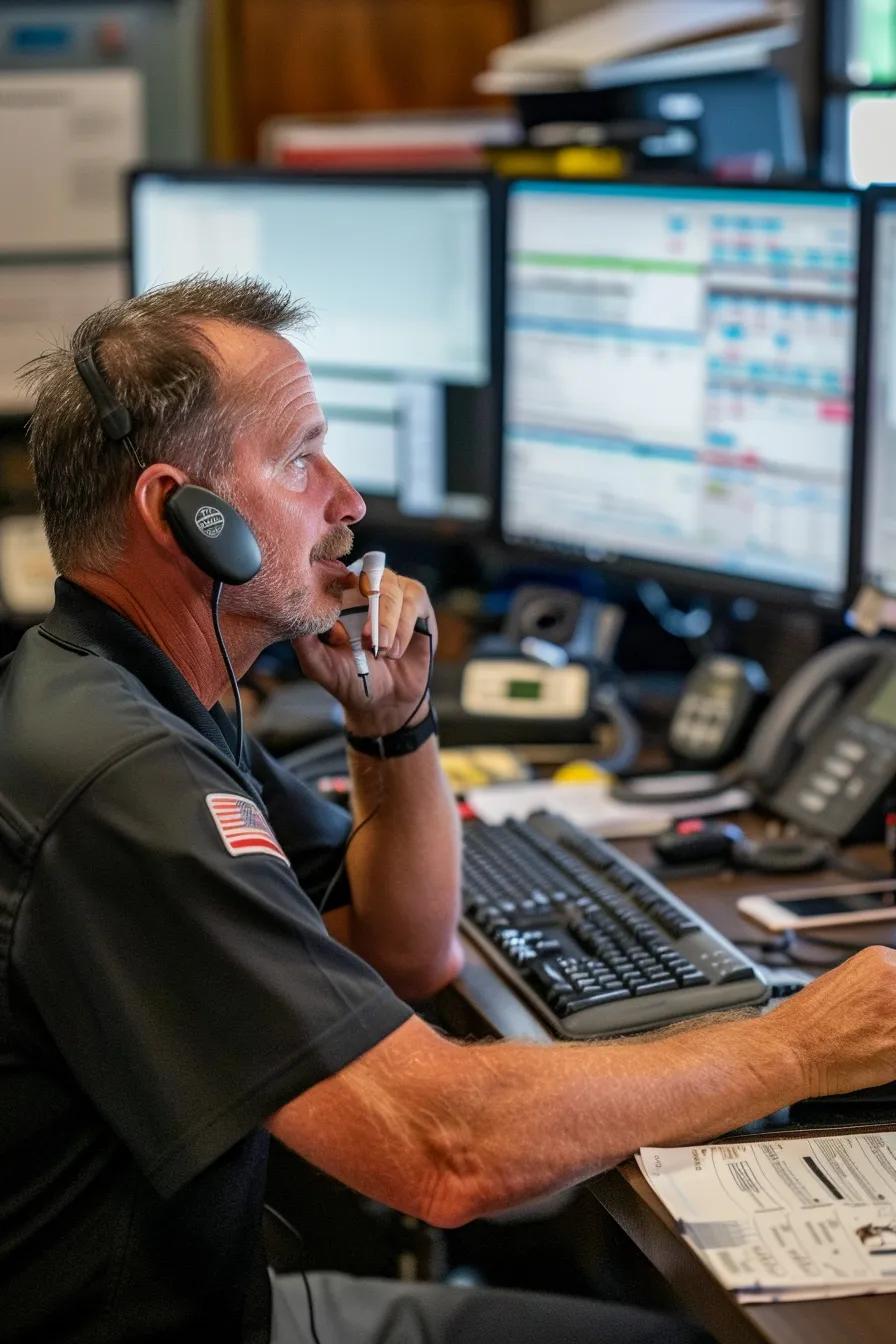
Fast emergency response comes down to a smooth dispatch process, local crews nearby, and vans stocked with the right equipment. Companies that triage effectively and keep technicians ready typically shorten ETAs. Our dispatch begins with an intake that assesses severity, assigns the closest qualified technician, and calculates a realistic ETA based on location and traffic. Local coverage across Los Angeles County, 24/7 availability, and fully equipped service vehicles reduce time spent gathering tools or sourcing parts, so technicians can begin diagnosis immediately. Below are the dispatch steps and the initial actions you should expect when you call.
- Intake triage to determine whether the issue is an urgent overflow or a non-emergency clog.
- Technician assignment that routes the nearest available licensed technician and provides an estimated arrival window.
- En route preparation to ensure the vehicle carries key gear (plunger, auger, hydrojet basics, camera) and safety equipment.
What Is the Typical Response Time for Emergency Toilet Repairs?
In a large metro like Los Angeles, realistic emergency response windows are typically 30–90 minutes. Exact arrival depends on time of day, traffic, and how many high‑priority calls are active. Faster ETAs happen when a nearby crew is available and the caller gives clear location details; slower ETAs occur during peak traffic, severe weather, or heavy call volumes. Providers that prioritize dispatching and use local crews give callers an arrival window rather than an exact minute, and technicians usually update ETAs while en route. To tighten the ETA, have clear directions and, if possible, a short video of any overflow — that helps dispatch send the right equipment quickly.
This explains why ETA windows vary and what callers can do to improve response accuracy.
How Does 24/7 Availability Ensure Immediate Toilet Blockage Removal?
Round‑the‑clock service reduces wait time because emergency calls are handled immediately instead of being postponed until the next business day. A 24/7 model keeps technicians on standby or rotating shifts so urgent backups get priority routing and faster dispatch.
When you call after hours, stress the overflow, sewage backup, or risk to property so dispatch can activate emergency protocols. Always confirm the ETA and ask for technician credentials so you know a licensed, insured plumber is on the way and that safety steps will be followed on arrival.
This table shows how each dispatch element affects overall ETA and where time savings happen through local crews and immediate triage. Knowing these steps helps you give the right details and judge provider responsiveness.
What Guarantees Make Anytime Rooter the Best Choice for Toilet Unclogging Services?
Guarantees reduce customer risk: clear coverage terms, a defined remediation path, and transparent pricing build trust when an emergency threatens health or property. Anytime Rooter provides consumer protections meant to make emergency toilet unclogging predictable and dependable — 24/7 callouts, a satisfaction guarantee, transparent pricing, and free estimates. These protections help prevent surprise costs and ensure follow‑up remedies if the first repair doesn’t hold.
- Satisfaction Guarantee: Covers workmanship and follow-up if the clog returns within the guarantee period.
- Transparent Pricing: You receive a clear estimate showing what’s included and any potential extras.
- Free Estimates: Available for diagnostics or non-emergency assessments so you can decide with full information.
What Does the Satisfaction Guarantee Cover for Toilet Repair Services?
Our satisfaction guarantee covers the work we perform to clear the blockage and any follow-up visits needed to fix the same issue within the stated timeframe. It guarantees remediation rather than an open‑ended replacement. If the problem recurs from the original repair, we return to diagnose and correct it without charging duplicate labor tied to that repair.
To use the guarantee, contact dispatch or the service number, describe the recurring symptoms, and reference your job number — that speeds scheduling. This documented process avoids disputes and gives homeowners confidence to approve necessary work during an emergency.
How Does Transparent Pricing Protect You from Hidden Fees?
Transparent pricing protects you with upfront estimates, a clear scope of work, and disclosure of items that might add cost — for example, parts replacement or excavation — before any work begins. A reputable provider gives a line‑item estimate or verbal breakdown so you know what’s in the base fee and what’s extra, allowing you to approve or decline optional items.
When you request a free estimate, ask for a simple written or recorded summary of the work and costs so there’s no ambiguity at payment. That practice discourages surprise charges and aligns expectations before technicians start invasive procedures.
This table summarizes each guarantee and the practical steps to use them so you know what to ask for when booking service.
Which Advanced Techniques Does Anytime Rooter Use to Unclog Stubborn Toilets?

Technicians choose advanced unclogging techniques based on where the blockage sits and how severe it is. Options range from manual tools to high‑pressure hydrojetting and camera inspections for mainline or recurring problems. We start with the least invasive method — plunger or auger — then use a camera to pinpoint deep clogs or foreign objects, and escalate to hydrojetting when grease or heavy buildup resists mechanical snaking. Each method balances time, cost, and invasiveness; picking the right approach cuts repeat calls and limits damage to your plumbing.
- Plunger: Best for simple bowl‑level clogs from paper or small obstructions.
- Auger (snake): Good for midline blockages and retrieving soft items past the trap.
- Hydrojetting: Used for heavy buildup, grease, and persistent mainline clogs that snaking can’t clear.
How Does Hydrojetting Effectively Clear Severe Toilet Clogs?
Hydrojetting uses high‑pressure water to scour pipe interiors, removing scale, grease, and organic buildup that cause persistent clogs or slow drainage. It clears the blockage and cleans pipe walls to reduce future debris adhesion, helping prevent repeats. Hydrojetting is especially effective for mainline or sewer‑level blockages that mechanical snakes can’t fully remove. Technicians always assess pipe condition and safety before hydrojetting to avoid damage to older or fragile piping.
This explains why hydrojetting is a powerful tool for stubborn clogs and the considerations technicians use when recommending it.
When Is Sewer Camera Inspection Used to Diagnose Toilet Blockages?
Sewer camera inspection is recommended when clogs keep coming back, when a deep foreign object is suspected, or when mainline problems like cracks or root intrusions are possible. A camera run gives a clear picture of the blockage type and exact location — scale, roots, collapsed pipe, or non‑biodegradable material — which lets technicians choose the least invasive, most effective repair. For customers, a camera often avoids guesswork and leads to targeted fixes like localized repair or hydrojetting instead of unnecessary replacement.
This diagnostic approach helps choose the right method quickly and can save time and money versus trial‑and‑error clearing attempts.
Use this table to compare methods by speed and suitability so you understand why a technician might escalate from simple tools to advanced techniques.
What Are the Common Causes of Toilet Clogs and How Are They Fixed?
Matching the cause to the right fix prevents repeat problems: foreign objects and excessive paper usually clear with plungers or augers, while grease, scale, and tree roots often need camera diagnosis, hydrojetting, or mainline repair. Commercial properties see more frequent clogs from heavy use and inappropriate disposals, while older homes may suffer corrosion or root intrusion that leads to recurring backups. Below are common causes and the typical remedies.
- Foreign objects (toys, hygiene items): Retrieved with an auger or camera‑guided tools.
- Excessive toilet paper or feminine products: Cleared with a plunger or auger; advise adjusted usage to prevent recurrence.
- Mainline blockages (scale, grease, roots): Diagnosed with a camera and treated with hydrojetting or targeted repairs.
What Typical Issues Lead to Toilet Blockages in Los Angeles Homes and Businesses?
In Los Angeles, aging sewer lines in some neighborhoods, heavy commercial foot traffic, and landscaping with aggressive roots increase the chance of recurring blockages. Older residential pipes—clay or cast iron—are prone to scale and root intrusion, while restaurants, offices, and multi‑tenant buildings see frequent clogs from volume and improper disposals.
Knowing these local risk factors helps owners choose the right diagnostics — timely camera inspections or routine hydrojet maintenance — to avoid emergency backups. Technicians familiar with neighborhood patterns can diagnose faster and recommend longer‑lasting solutions.
How Does Anytime Rooter Tailor Solutions for Different Toilet Clog Types?
We begin with a focused inspection that looks at the symptom (overflow, slow drain, repeated backups), property type, and any photos or video you provide. Then we select the least invasive effective method — plunger, auger, camera, or hydrojet — based on that diagnosis. For single, bowl‑level clogs we typically use a plunger or auger and confirm flow; for recurring or mainline issues we recommend a camera inspection followed by hydrojetting or a localized repair.
We also educate customers on prevention and suggest follow‑up maintenance to reduce future problems. This decision‑tree approach minimizes unnecessary work, addresses the root cause, and improves long‑term results for both homes and businesses.
Which Areas in Los Angeles County Does Anytime Rooter Serve for Emergency Toilet Unclogging?
Local presence shortens ETAs: companies that list clear service areas and stage technicians across neighborhoods reduce travel time and prioritize nearby emergencies. Anytime Rooter serves Los Angeles County, including Marina Del Rey, and positions crews to respond across multiple neighborhoods for faster arrival on critical overflows.
The numbered list below shows how to confirm coverage and speed dispatch when you call:
- Confirm your full address and nearest cross streets so dispatch can assign the closest crew.
- Ask if your neighborhood is a priority zone for emergency routing to understand possible ETA advantages.
- Provide a short video or photo of the problem to help triage and ensure the right equipment is sent.
What Neighborhoods and Cities Are Covered by Anytime Rooter’s Emergency Services?
Anytime Rooter lists service across Los Angeles County and specifically calls out Marina Del Rey as a local area of operation, indicating nearby crews and prioritized routing for adjacent neighborhoods. Broad coverage across LA neighborhoods lets dispatch select the nearest licensed technician, which shortens travel time and improves the chance of a quick arrival.
Before you commit, call the local dispatch number to confirm coverage for your exact address, crew availability, and an estimated arrival window. That avoids surprises and speeds resolution.
How Does Local Expertise Improve Toilet Repair Response and Quality?
Local technicians diagnose faster because they know neighborhood‑specific issues — older pipe materials, root patterns, and common commercial use problems — and can anticipate parts or special equipment needed on arrival.
Familiarity with local codes and permit requirements also helps technicians advise quickly if a deeper repair will involve regulations. Nearby suppliers shorten parts wait times, and established local routes reduce average travel time. Together, these advantages deliver faster, more accurate repairs with fewer return visits.
What Should You Expect During Your Emergency Toilet Unclogging Service?
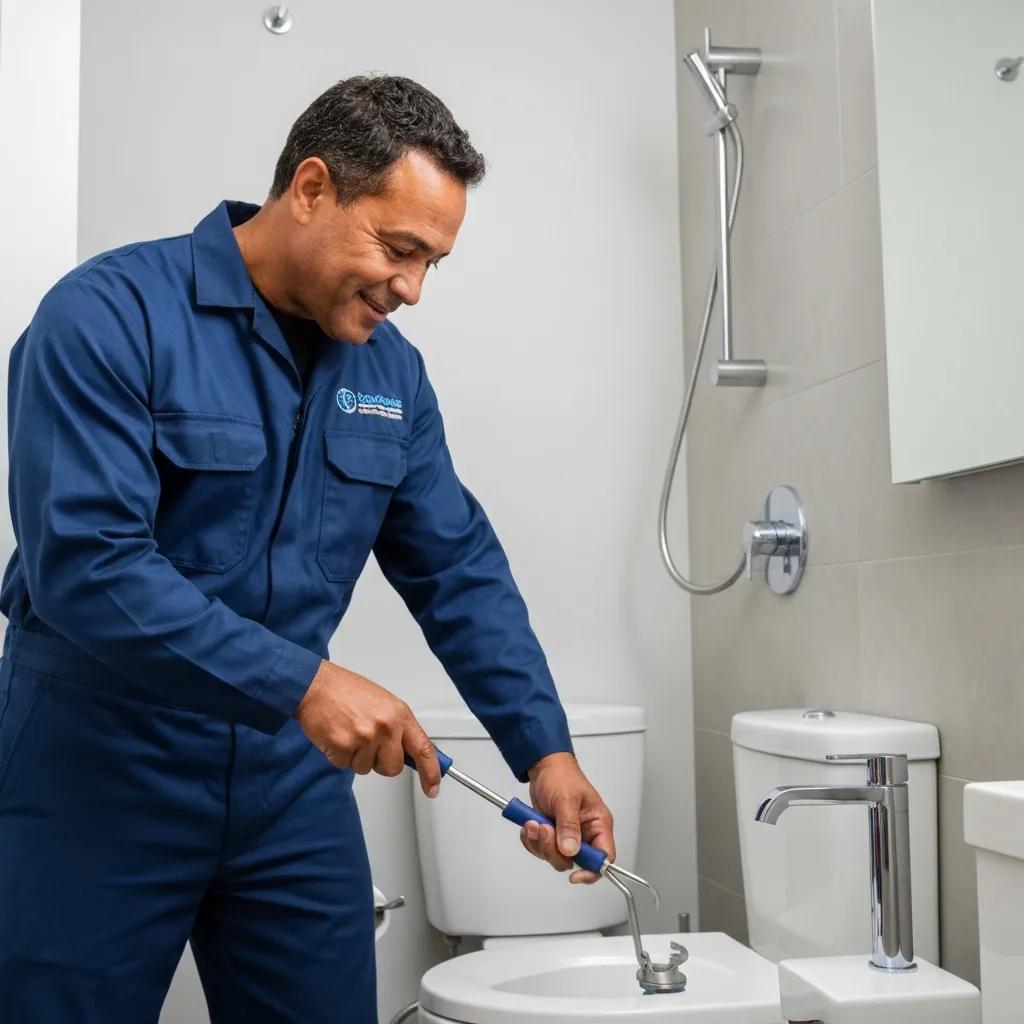
A clear service process reduces stress: call intake and triage, dispatch and ETA updates, on‑site diagnosis, method selection and repair, testing and cleanup, and post‑service follow‑up. Technicians start by assessing immediate risks (overflow, sewer smell, structural concerns), then pick the best tools to resolve the issue efficiently while minimizing mess and further damage. Expect testing of the repair (flush and flow checks), a quick cleanup, and documentation of the work with follow‑up instructions and guarantee details. Knowing the typical steps helps you prepare and ask the right questions during the call.
The checklist below summarizes what you should prepare and what technicians will do during an emergency visit:
- Clear access to the affected fixture and any nearby shutoffs you know.
- Provide photos or a short video when calling to speed triage.
- Be ready to verify your address, describe symptoms, and give any access instructions for technicians.
What Is the Step-by-Step Process from Call to Toilet Repair Completion?
The usual flow is: intake and triage, technician assignment and ETA, on‑site safety assessment and diagnosis, targeted repair (plunge/auger/camera/hydrojet), functional testing, cleanup, and post‑service documentation including warranty or remediation instructions. Simple clogs are often resolved in 30–60 minutes on site; complex mainline or structural repairs can take several hours or require scheduled follow‑up. For larger jobs, technicians explain options and get customer authorization before starting invasive or costly work.
This transparent process sets expectations and links technical choices to likely outcomes.
How Does Anytime Rooter Ensure Licensed and Insured Plumbers Handle Your Toilet Repair?
We only dispatch licensed, insured technicians who carry visible ID and branded vehicles — you can confirm credentials when the tech arrives. Licensing shows technical competence and compliance with local rules; insurance protects property owners against accidental damage during service.
Before work begins, ask to see technician identification and confirmation that the company is licensed and insured; reputable dispatchers can provide license numbers or coverage details on request. These simple verification steps protect homeowners and ensure professional standards are met.
- Before the technician arrives: gather access details, photos, and any known shutoff locations to improve dispatch accuracy.
- During service: expect a clear diagnosis, a recommended method, and an itemized estimate before major work begins.
- After service: make sure you receive documentation of the work, guarantee terms, and steps to prevent recurrence.
Final reminder: if you’re in Los Angeles County or Marina Del Rey and need urgent toilet unclogging with clear guarantees and 24/7 response, call the local emergency dispatch line to check availability and get an estimated arrival window. For immediate bookings or to confirm coverage, call our dispatch number and describe the situation so we can prioritize your emergency.
Frequently Asked Questions
What should I do if my toilet is overflowing?
If your toilet is overflowing, first stop the water: locate the shut‑off valve behind the toilet and turn it clockwise to close it. That prevents more water from entering the bowl. Remove visible debris if it’s safe to do so, and try a plunger if you have one. If the overflow continues or you’re uncomfortable handling it, call a professional plumber right away to avoid water damage and health risks.
How can I prevent toilet clogs in the future?
Prevent clogs by only flushing toilet paper and human waste. Avoid wipes, feminine products, and other non‑flushables. Regular maintenance — enzyme‑based cleaners or scheduled inspections — helps prevent buildup. For properties with recurring issues, periodic hydrojetting or camera inspections can stop problems before they become emergencies. Educate everyone in the household or business on proper toilet use.
Are there any DIY methods to unclog a toilet?
Yes. Start with a plunger to dislodge minor clogs. If that fails, a toilet auger can reach deeper blockages. Some people use a baking soda and vinegar mix, letting it sit 30 minutes before flushing, but this is not always effective. For persistent or recurring clogs, call a licensed plumber to avoid damaging your plumbing.
What are the signs that I need to call a plumber for my toilet?
Call a plumber if you have frequent clogs, slow drainage, unusual noises, water pooling at the base, persistent foul odors, or an overflowing toilet. If DIY attempts don’t work, seek a licensed plumber to prevent further damage and secure a proper fix.
How can I verify the credentials of a plumbing service?
Ask whether the company is licensed and insured and request the license number to verify with your state board. Read customer reviews and testimonials to check reputation. A trustworthy service will also explain guarantees and warranties clearly. Don’t hesitate to ask for proof of insurance and licensing before work begins.
What should I expect during a toilet unclogging service?
A plumber will assess the symptoms, inspect the fixture, and recommend the appropriate method — plunger, auger, camera, or hydrojet. After clearing the blockage, they’ll test the toilet to confirm proper function, clean up the area, and provide documentation of the work and maintenance recommendations.
How can I ensure a quick response from a plumbing service?
Choose a provider with 24/7 emergency service and a local presence. When you call, give clear location details and symptoms, and send a photo or short video if possible so dispatch can prepare the right tools. Confirm the estimated arrival window and ask about their dispatch process so you understand how they prioritize emergencies.
Conclusion
Picking the right emergency toilet unclogging service in Los Angeles means faster arrivals and dependable guarantees that protect your home or business. Anytime Rooter stands out for 24/7 availability, transparent pricing, and a satisfaction guarantee, making us a reliable choice for urgent plumbing needs. Understanding dispatch, diagnostics, and available repair methods helps you make informed decisions and get lasting results. For immediate help, call our local dispatch line to confirm coverage and schedule an emergency visit.