Emergency Gas Leak Repair: Clear Steps and Pro Methods to Keep You Safe
Gas leaks are dangerous for people and property. Knowing what to look for and how professionals handle repairs can keep your household safe. This guide covers emergency gas leak repair techniques: how to spot a leak, what to do right away, detection tools pros use, and the repair and prevention steps that matter. We’ll also explain why calling Anytime Rooter gives you a fast, qualified response when it counts.
What Are the Common Signs of a Natural Gas Leak?
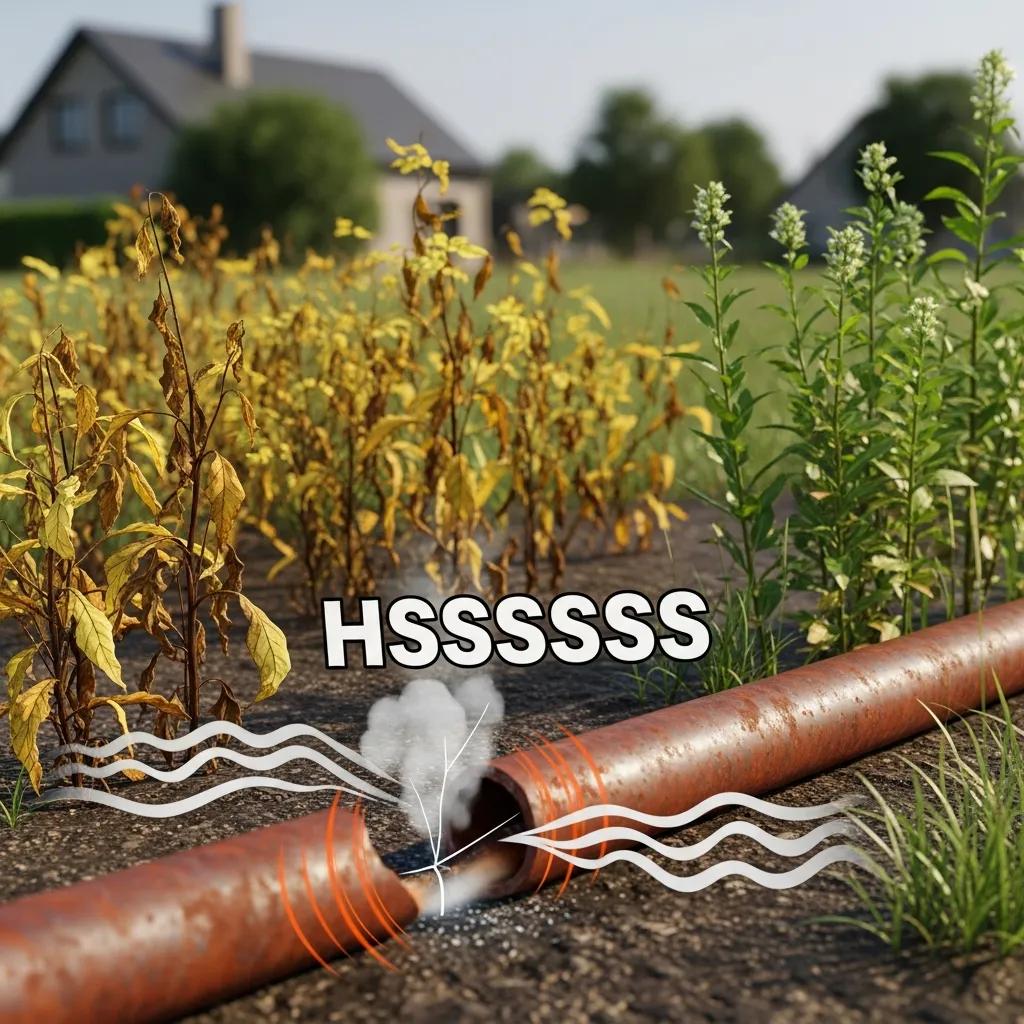
Spotting a gas leak early is key. The most common signs are a strong rotten-egg odor, a hissing or whistling noise near gas lines, and visual clues like dead or discolored plants where underground lines run. Noticing any of these should prompt immediate action.
How Does the Rotten Egg Smell Indicate a Gas Leak?
Natural gas itself is odorless, so providers add a chemical called mercaptan that smells like rotten eggs. That odor helps people detect leaks quickly. If you smell it, leave the area right away and call emergency services or your gas company from a safe location.
Adding odorants such as mercaptan to natural gas has been a long-standing safety practice; early research examined how effective those odorants are at signaling leaks.
Ethyl Mercaptan for Natural Gas Leak Detection
This study examined how much ethyl mercaptan is needed to indicate leaks, how consumers and workers react, the practical use of odorants, and the associated costs. — Use of Ethyl Mercaptan to Detect Leaks in Natural-gas Distribution Systems, 1930
What Auditory and Visual Cues Signal a Gas Leak?
Alongside smell, listen and look for warning signs: a steady hissing sound close to a gas line, dead or dying vegetation over buried pipes, or bubbles forming in standing water above a leak. These cues help you recognize a problem even if the odor is faint.
What Immediate Steps Should You Take During a Gas Leak Emergency?
In a suspected gas leak, act fast and calmly. Get everyone out of the building, keep a safe distance, and avoid anything that could create a spark. Quick evacuation and a call to professionals greatly reduce the risk of fire or explosion.
How to Safely Evacuate and Avoid Ignition Sources?
When you evacuate, use the safest route and leave doors open behind you if it’s safe to do so. Do not flip light switches, operate appliances, or strike a match—electrical sparks can ignite gas. Once you’re outside and a safe distance away, call your gas company or emergency services.
Who Should You Contact First: Gas Company or Certified Plumber?
First, contact your gas company or emergency services so they can shut off supply and assess hazards. After the utility secures the scene, hire a licensed plumber or gas technician to make permanent repairs. That sequence keeps you and the responders safe while ensuring work is done correctly.
Which Advanced Techniques Are Used for Professional Gas Leak Detection?
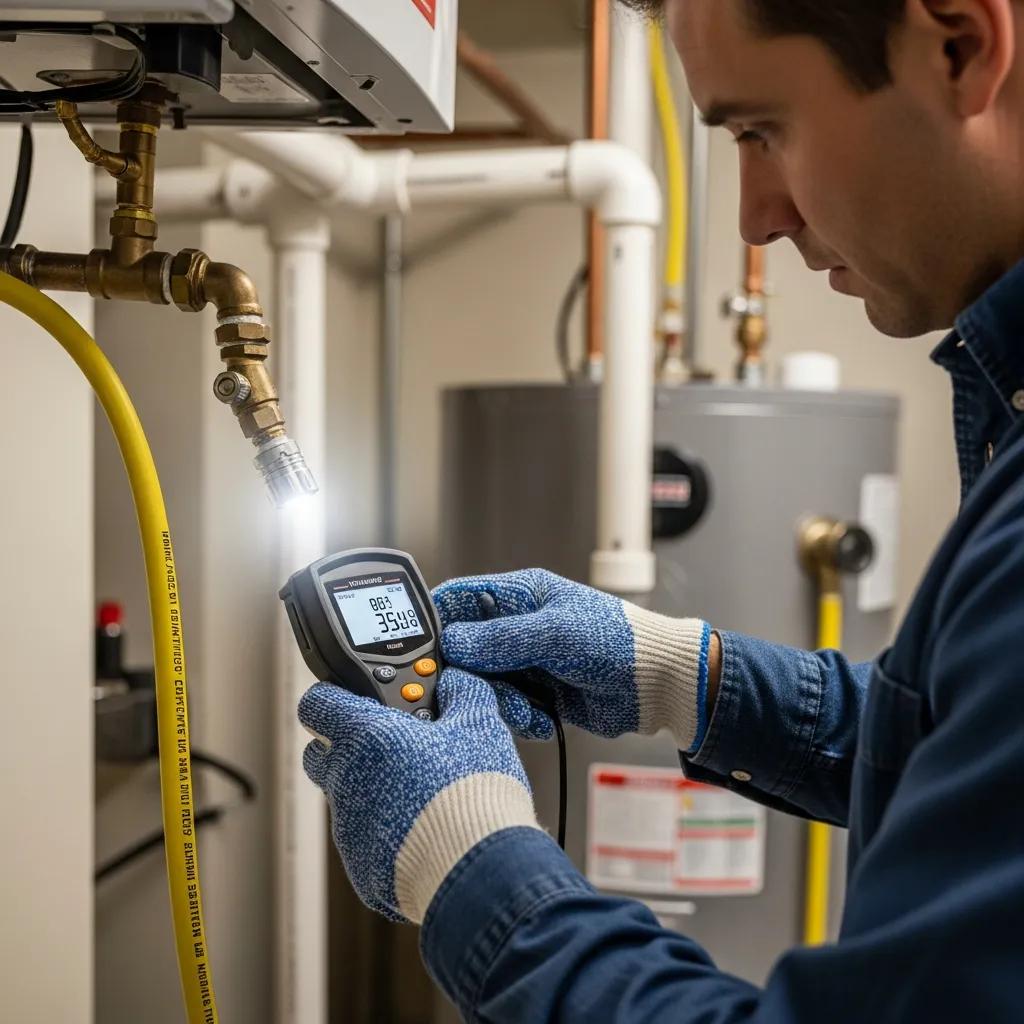
Pros combine several tools to find leaks accurately: handheld electronic gas detectors, infrared cameras that visualize gas plumes, and pressure testing to confirm line integrity. These methods help pinpoint problems faster and with less guesswork than relying on smell alone.
How Do Electronic Detectors and Infrared Cameras Work?
Electronic detectors sense gas in the air and warn technicians when concentrations rise. Infrared cameras make gas visible by showing emissions as clouds or plumes, which helps locate leaks precisely. Together, they speed up safe, effective inspections.
Recent work also shows how connected sensors and smart systems can bolster home detection and emergency response.
Smart IoT Gas Leak Detection and Emergency Response for Homes
This paper describes an IoT-based monitoring design using an MQ-5 gas sensor and an Arduino UNO as the controller. Sensor data is posted to the cloud; when a leak is detected the system sounds an alarm, shows the leak location on an LCD, and can trigger ventilation like an exhaust fan to remove the gas. — “Smart gas leak detection and emergency response system using IoT for homes,” AS Shah, 2024
What Are Soap Solution and Pressure Testing Methods?
Simple techniques still have value. A soap-and-water solution applied to a joint will bubble if gas is escaping. Pressure testing seals a line and checks for drops over time to reveal leaks. These traditional checks are often used alongside modern detectors for a complete assessment.
What Are the Effective Methods for Emergency Gas Leak Repair?
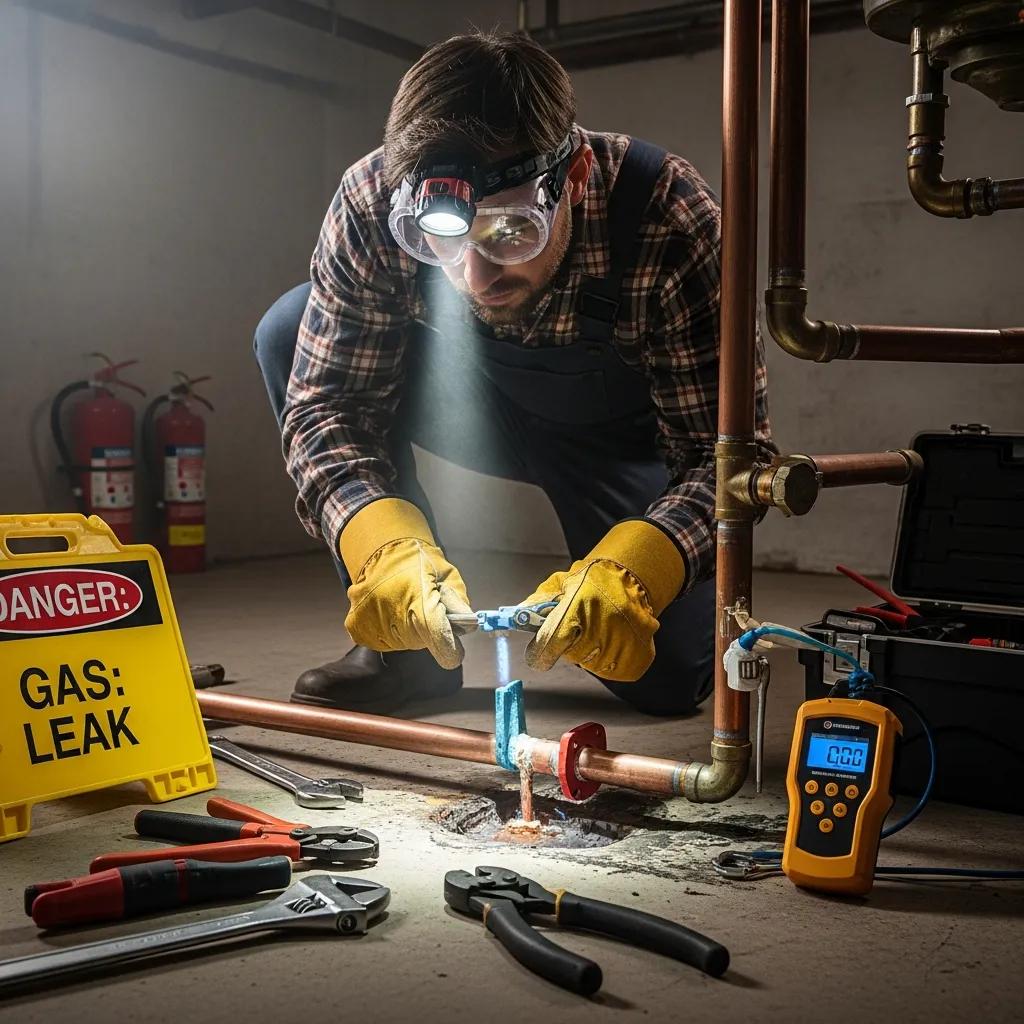
Once a leak is confirmed, repair options depend on the size and location. Quick fixes like temporary patches may hold briefly, but permanent solutions include replacing the damaged pipe or rerouting the line. A licensed technician will choose the safest, code-compliant fix.
When Is Pipe Patching or Sealing Appropriate?
Temporary patching or sealing is only an emergency stopgap for a small, accessible leak. If it’s safe, shut off the gas supply (never water) to the affected area and use an approved temporary patch until a pro arrives. Always follow up with a licensed plumber for a permanent repair—temporary fixes can fail if left in place.
How Are Pipe Replacement and Gas Line Rerouting Performed?
Replacement means cutting out the damaged section and installing new piping that meets local code. Rerouting moves the line to avoid future risk or to accommodate a remodel. Both jobs require careful planning, proper materials, and a certified technician to test and certify the repair before restoring service.
How Can You Prevent Gas Leaks Through Maintenance and Safety Measures?
Regular care and common-sense upgrades reduce leak risk. Key steps include:
- Regular Gas Leak Detection: Schedule routine inspections to catch issues early.
- Emergency Gas Shutoff Valves: Install shutoff valves so you can quickly stop gas flow if needed.
- Professional Maintenance: Have qualified technicians service appliances and gas lines on a regular schedule.
What Regular Inspections and Appliance Installations Reduce Risks?
Take these practical steps to lower your risk:
- Check gas lines and appliances for rust, corrosion, or damage.
- Insulate exposed pipes in cold weather to prevent splitting.
- Make sure appliances are installed and vented correctly by a licensed pro.
- Avoid planting large trees directly over buried gas lines where roots can cause damage.
- Keep up with scheduled plumbing and gas system inspections so small problems are fixed before they grow.
How Do Carbon Monoxide Detectors Enhance Gas Safety?
Carbon monoxide (CO) is an odorless byproduct of incomplete combustion and can be deadly. CO detectors provide an extra safety layer by alerting you to dangerous levels so you can evacuate and get help. Install them near sleeping areas and follow manufacturer placement guidelines.
Why Choose Anytime Rooter for Your Emergency Gas Leak Repair Needs?
You can rely on Anytime Rooter for fast, professional gas leak response. We offer around-the-clock emergency service, clear pricing, and trained technicians who use modern tools and proven repair methods to secure your home.
What Certifications and 24/7 Services Does Anytime Rooter Offer?
This page doesn’t list specific certifications, but Anytime Rooter provides 24/7 emergency pipe and gas repair across many Los Angeles County communities. That means you can get help any time of day, seven days a week, from local crews who know the area.
How Does Transparent Pricing and Local Expertise Benefit You?
Transparent pricing gives you clear, upfront costs so you’re not surprised during an emergency. Local experience means faster arrival times and repairs tailored to local codes and conditions—which shortens downtime and reduces the chance of repeat issues.
Frequently Asked Questions
What should I do if I suspect a gas leak but cannot smell gas?
If you suspect a leak without noticing the smell, stay cautious. Listen for hissing near lines, look for dead plants or bubbles in standing water, and leave the area if anything looks off. From a safe location, call your gas company or emergency services. Don’t try to locate the leak yourself.
How often should I have my gas lines inspected?
Have your gas lines inspected at least once a year. Inspections catch wear, corrosion, or loose fittings before they become dangerous. If you spot rust, damage, or you replace appliances, schedule an inspection sooner.
Can I use household items to detect a gas leak?
You can use a soap-and-water mix to check small, visible joints—bubbles indicate a leak. But household checks aren’t a substitute for professional detection. Pros use calibrated detectors, infrared imaging, and pressure tests for reliable results.
What are the risks of ignoring a gas leak?
Ignoring a gas leak risks fires, explosions, and health hazards like carbon monoxide exposure. Even small leaks can become dangerous over time. Symptoms of exposure include headaches, dizziness, and nausea. Treat any sign of a leak seriously and get help immediately.
What should I do if I experience symptoms of gas exposure?
If you feel headaches, dizziness, nausea, or other symptoms, leave the area right away and get fresh air. Call emergency services once you’re safe. Don’t use electrical devices or open flames until professionals confirm the area is safe. Seek medical attention if symptoms persist.
Are there any specific safety measures for using gas appliances?
Yes. Ensure proper ventilation, have appliances installed by a licensed technician, and check connections regularly. Keep flammable items away and never leave gas appliances unattended while in use. Install carbon monoxide detectors and replace batteries as recommended.
Conclusion
Knowing how to spot a gas leak, what to do in an emergency, and when to call pros can make a real difference for your family’s safety. If you suspect a leak, evacuate, call the gas company or emergency services, and contact a licensed technician. Anytime Rooter is ready to respond with trained crews, modern tools, and clear pricing—so you get a safe, reliable repair when it matters most. Explore our services to protect your home from gas emergencies.