
10 Critical Signs of a Gas Leak — How to Spot Them Fast and Keep Your Family Safe
Gas leaks are dangerous and often start quietly. Spotting the warning signs early is the best way to protect your home and everyone in it. This guide walks through the 10 most important signs of a gas leak and what to do if you spot one. We’ll cover common smells, odd sounds, visual clues, health symptoms, appliance warnings, and other red flags so you can act quickly and confidently.
What Are the Most Common Smell Signs of a Gas Leak?
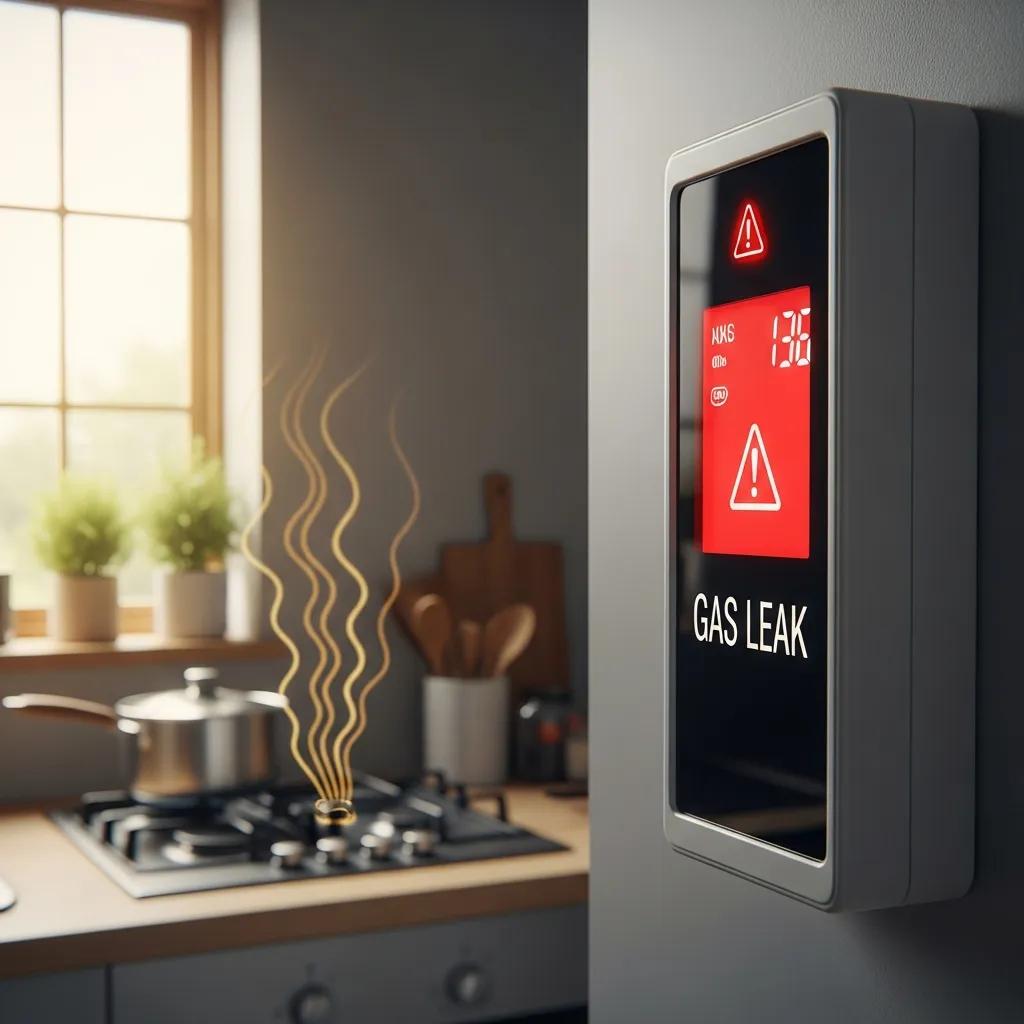
One of the clearest signs of a gas leak is a strong, sulfur-like smell. Natural gas itself has no odor, but companies add a chemical called mercaptan that smells like rotten eggs. If you catch that scent, treat it seriously — it’s meant to warn you that gas may be present.
If you smell gas, leave the area right away and call a professional for
gas leak detection and repair
. Anytime Rooter offers licensed, certified plumbers who can find and fix leaks safely and quickly.
Why Does Natural Gas Smell Like Rotten Eggs or Sulfur?
Mercaptan — a sulfur-containing compound — is added to natural gas so people can detect leaks by smell. Our noses are very sensitive to that scent, which helps you notice a leak even at low levels. Knowing this helps you react fast when something smells off.
How to Detect Variations in Gas Leak Odors at Home
The rotten-egg smell is the usual warning, but odor strength can change with gas concentration or other substances nearby. Propane, for example, can smell more chemical or ether-like. Pay attention to any unusual or increasing odor — stronger smells can mean a bigger leak.
Which Unusual Sounds Indicate a Possible Gas Leak?
Sound can be an early clue. Listen for hissing, whistling, or a faint rushing noise near gas lines or appliances. Those sounds often mean gas is escaping and should prompt immediate investigation.
What Causes Hissing or Whistling Noises Near Gas Lines?
Hissing or whistling usually comes from gas under pressure escaping through a small gap — from a cracked pipe, a loose fitting, or a faulty appliance connection. If you hear this, move to safety and get a professional to inspect it.
Where to Listen for Gas Leak Sounds in Appliances and Pipes
Check around stoves, water heaters, furnaces, and visible gas pipe joints. Pay special attention to basements, crawl spaces, utility closets, and outdoor meters. If you hear suspicious noises in these areas, don’t ignore them.
What Visual Cues Should You Watch for to Spot a Gas Leak?
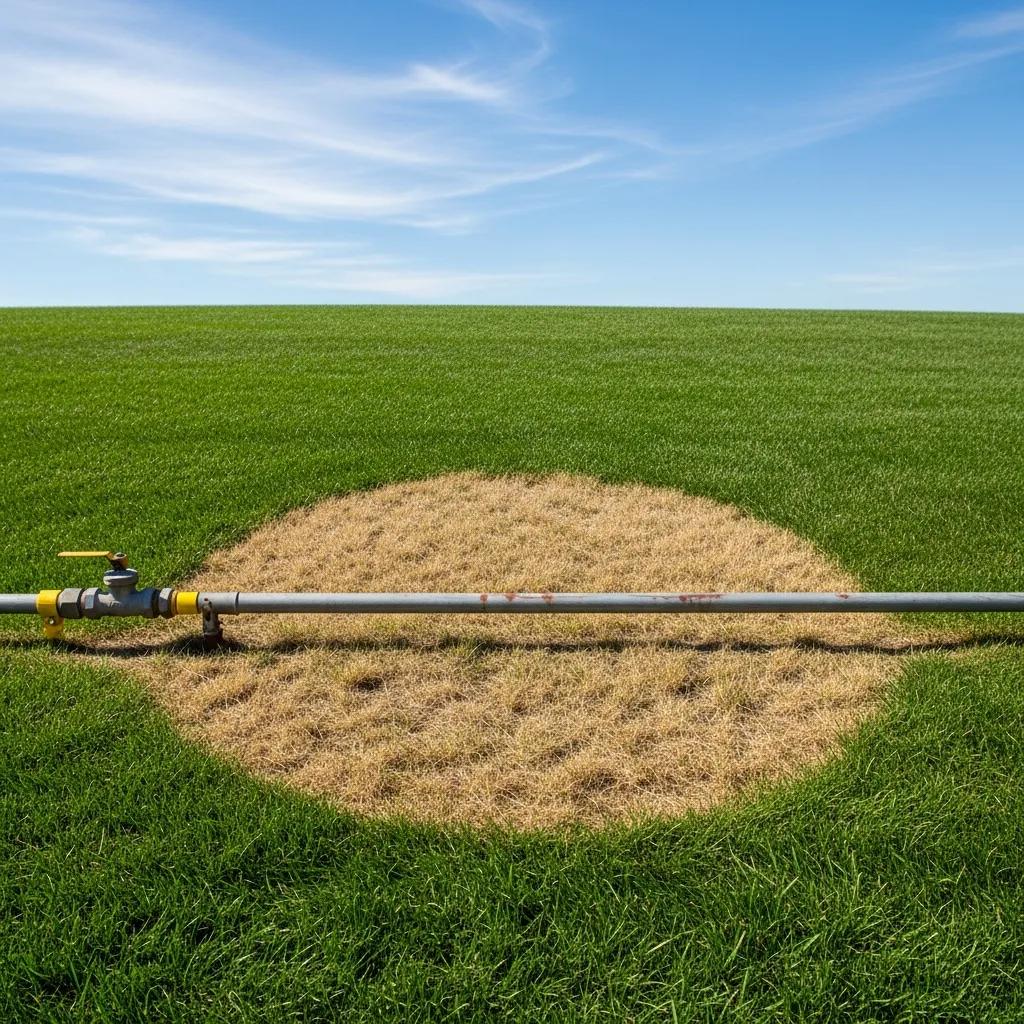
Some leaks leave visible clues. Look for dead or dying plants, unusual ground disturbances, or bubbling in standing water near gas lines. These signs can point to gas escaping below ground.
How Does Dead or Dying Vegetation Signal a Gas Leak?
Gas in the soil can displace oxygen and harm plant roots, causing patches of grass or plants to wilt or die. If you see unexplained plant damage near a gas line or meter, have it checked right away.
What Do Bubbles in Water or Dust Clouds Near Gas Lines Mean?
Bubbles in puddles or standing water and unexplained dust clouds can mean gas is pushing up through the ground. These are visual warning signs — treat them seriously and report them to a professional.
What Physical Symptoms Might Indicate Gas Exposure?
Breathing in gas can cause symptoms that affect how you feel. Common signs include headaches, dizziness, nausea, and unusual tiredness. Recognizing these symptoms can help you act before exposure becomes more serious.
Which Health Effects Like Headache, Dizziness, or Nausea Are Linked to Gas Leaks?
Early symptoms from gas exposure often include headache, eye or throat irritation, shortness of breath, dizziness, and nausea. If anyone shows these signs and a gas leak is possible, leave the area and seek fresh air and medical help if needed.
Research has documented a range of short-term symptoms tied to gas odorants and leak exposure.
Natural Gas Odorant Health Effects & Leak Symptoms
Studies note that organosulfur compounds added to natural gas to make leaks detectable can cause consistent short-term symptoms: headache, eye and throat irritation, respiratory complaints like shortness of breath or asthma attacks, and skin irritation in some cases.
Natural gas odorants: A scoping review of health effects, DR Michanowicz, 2023
How Can Gas Leaks Affect Pets and Household Members?
Pets and small children may show signs of gas exposure first. Watch for drooling, vomiting, lethargy, coughing, or trouble breathing. If you suspect a leak, get everyone — including pets — out of the house and to safety immediately.
How Do Gas Appliances Reveal Signs of a Leak?
Appliances often give clues before a full leak develops. Changes in flame color, soot buildup, or repeated pilot light failures can indicate appliance problems that might lead to leaks if not fixed.
What Does a Yellow Flame or Pilot Light Problem Indicate?
A healthy gas flame is usually blue. A yellow or orange flame suggests incomplete combustion, which can mean the appliance needs service. It isn’t always a leak, but it’s a clear sign to call a technician.
How Can Soot or Appliance Malfunctions Signal Gas Issues?
Black soot around an appliance or persistent malfunctions — like a pilot light that won’t stay lit — point to combustion problems. Those issues can be dangerous and should be inspected by a professional right away.
What Are Other Critical Signs of a Gas Leak to Recognize?
Beyond smell, sound, sight, and symptoms, a few other indicators can reveal hidden problems. Stay alert to billing changes, visible damage to lines, and any sudden change in appliance performance.
How Can Increased Gas Bills Suggest a Hidden Leak?
If your gas bill jumps with no change in how you use gas, that could mean a hidden leak. Track your usage and contact a professional if bills spike unexpectedly.
Why Is Damaged Gas Line or Appliance Inspection Important?
Regular inspections catch wear, corrosion, or loose connections before they cause leaks. Schedule routine checks with a qualified technician to keep lines and appliances safe and working properly.
The table below summarizes common gas leak signs and what to do when you see them. Use it as a quick checklist to protect your home and family.
Gas leaks are a real hazard, but knowing the signs lets you act fast. If you suspect a leak, contact
Anytime Rooter
for professional gas leak detection and repair. Our licensed, certified plumbers will locate the problem and make your home safe again.
Frequently Asked Questions
What should I do if I suspect a gas leak in my home?
Leave the building immediately, taking everyone and pets with you. Avoid using phones, switches, or anything that could spark. From a safe distance, call your gas utility or a qualified gas leak detection service. Only return once a professional confirms it’s safe.
How can I prevent gas leaks in my home?
Preventive steps include annual inspections, professional installation and maintenance of gas appliances, checking visible pipes for wear, and installing a gas detector. Regular care reduces the chance of leaks and keeps your system working properly.
Are gas leaks more common in certain seasons?
Leaks can happen any time, but they may appear more often in colder months when heating systems run more. Have heaters and gas appliances serviced before heavy use to reduce seasonal problems.
What are the long-term health effects of gas exposure?
Long-term or repeated exposure to gas or gas odorants can lead to respiratory and neurological issues in some cases. Persistent symptoms like headaches, breathing trouble, or ongoing fatigue should prompt medical evaluation and an inspection of your home for leaks.
Can I use my gas appliances if I smell gas?
No. Do not use gas appliances, switches, or anything that could create a spark. If it’s safe to shut off the gas at the meter, do so, then leave and call a professional. Putting appliances back in use should only happen after a qualified technician clears the area.
How often should I have my gas appliances inspected?
Have gas appliances inspected at least once a year, or anytime you notice odd behavior like yellow flames, soot, or frequent pilot light issues. Regular inspections keep appliances safe and efficient.
What should I do if my gas bill suddenly increases?
Compare recent usage and check for leaks or faulty appliances. If nothing explains the jump, contact your gas company or a technician to inspect your system for hidden leaks.
Conclusion
Being alert to the smell, sound, sight, and symptoms of a gas leak can prevent danger and give you peace of mind. Take any warning seriously: evacuate, get help, and let trained professionals handle detection and repairs. For fast, reliable service, reach out to Anytime Rooter for expert gas leak detection and repairs.