7 Signs You Need Emergency Pipe Repair — Spot the Problem and Act Fast
When plumbing fails, quick action can save your home and your wallet. Knowing the warning signs that mean you need emergency pipe repair services helps you respond before damage spreads. Below are seven clear indicators your pipes are in trouble — from sudden flooding to strange sounds — plus what to do next. We’ll also explain why calling a professional, like Anytime Rooter & Plumbing in Marina del Rey, is often the fastest, safest solution.
What Are the Most Common Signs of a Burst Pipe?
Spotting a burst pipe early prevents bigger problems like flooding, structural harm, and mold. Typical signs include sudden pools of water, loud or unusual pipe noises, and unexpected drops in water pressure. If you notice any of these, act quickly to limit damage and avoid expensive repairs.
How Does Sudden Flooding Indicate a Burst Pipe?
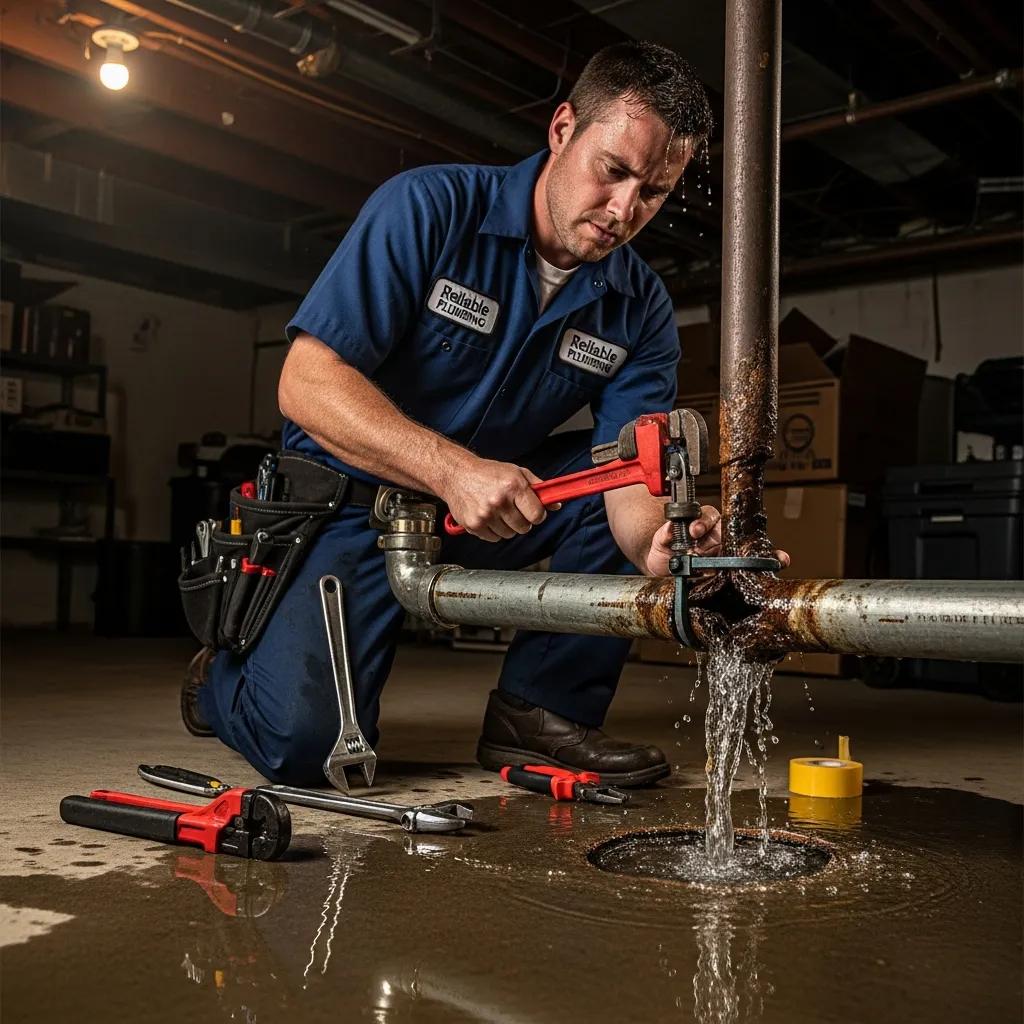
Sudden flooding is the most obvious sign of a ruptured pipe. If water is pooling in your basement, around the foundation, or in rooms that should be dry, turn off the main water supply right away to stop more water from flowing. Then call a professional plumbing service to assess and repair the break. Delaying action will only increase cleanup and repair costs.
What Causes Banging Noises in Pipes During a Burst?
Banging or “water hammer” sounds come from sudden pressure shifts when water flow stops or changes direction quickly. Loose pipes, high pressure, or rapid valve closures often cause it. While banging isn’t always a burst pipe, persistent or loud knocks deserve a professional check to rule out a serious issue.
How Can You Detect Hidden Water Leaks Before They Cause Damage?
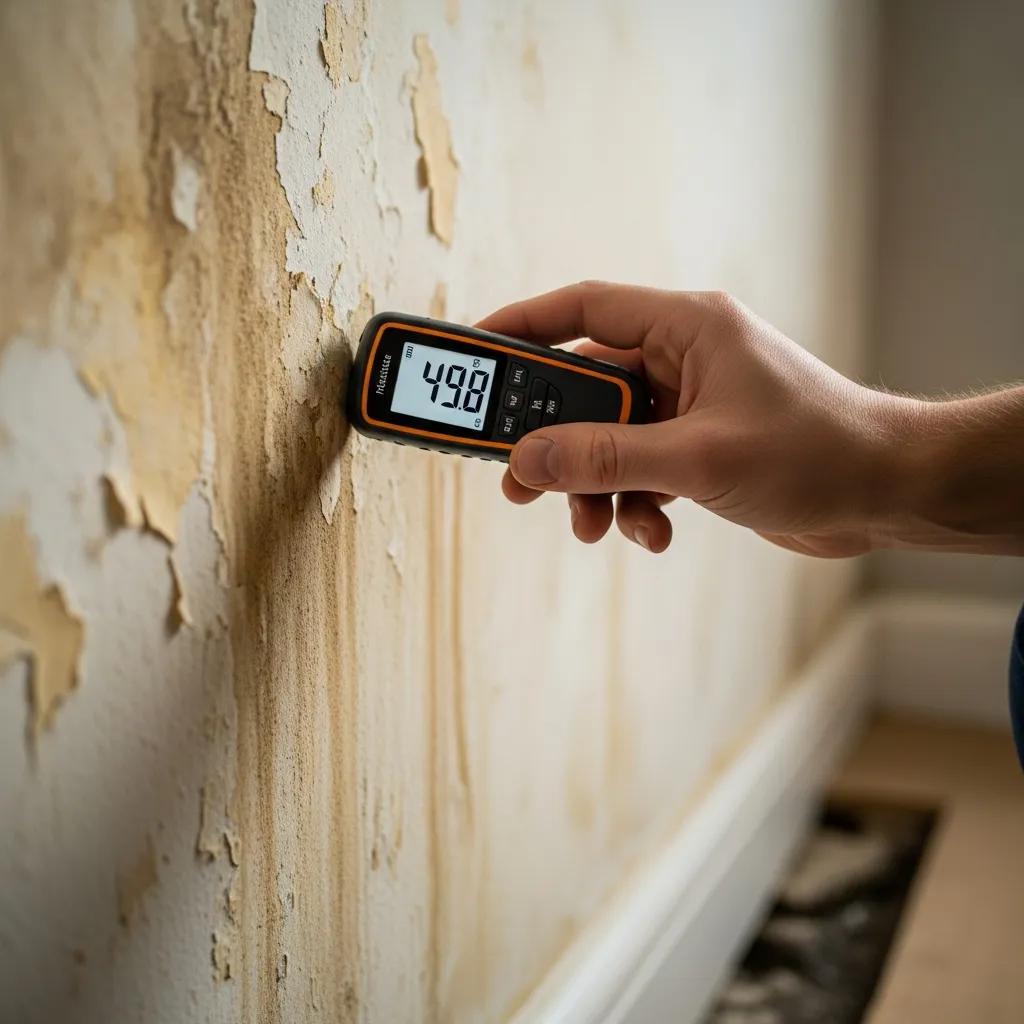
Hidden leaks can quietly ruin walls, floors, and foundations. Watch for damp patches, peeling paint, musty smells, or a sudden spike in your water bill. Catching leaks early saves thousands in repairs and prevents mold growth.
What Are the Warning Signs of Water Leaks in Walls and Slabs?
Leaks inside walls or under slabs often show as discoloration, bubbled or warped drywall, and persistent odors. If you see these signs, don’t wait — call a pro for a full inspection. Left unchecked, moisture weakens structure and invites mold.
How to Use Water Bills and Mold Growth to Spot Hidden Leaks
Compare your monthly water use to past bills. A sudden, unexplained jump usually means water is escaping somewhere. Pair that with visible mold or mildew and you likely have a hidden leak. A licensed plumber can run leak-detection tests and pinpoint the source.
What Does Low Water Pressure Reveal About Your Plumbing System?
Low or inconsistent water pressure can indicate clogged pipes, hidden leaks, or failing fixtures — sometimes even a problem with the municipal supply. If pressure stays low across multiple taps, it’s a sign to investigate sooner rather than later.
Which Pipe Issues Cause Low or Inconsistent Water Pressure?
Mineral buildup, internal corrosion, partial blockages, and leaks are common causes of weak water flow. Older pipes and damaged fixtures also reduce pressure. A professional inspection will find the root cause and recommend fixes that restore normal flow.
How to Diagnose and Address Low Water Pressure Problems
First, see if the problem affects one fixture or the whole house. If it’s only one sink or shower, the fixture may need attention. If it’s widespread, call a plumber to test pressure, check for leaks, and evaluate your pipes. Prompt repairs prevent bigger failures later.
What Do Unusual Pipe Noises Mean for Your Plumbing Health?
Pipes that gurgle, hiss, or bang are signaling trouble. These noises can point to blockages, venting problems, or pressure issues. Knowing what each sound means helps you decide when to call for help.
What Causes Water Hammer and Gurgling Sounds in Pipes?
Water hammer happens when fast-moving water stops abruptly and creates a shockwave. Gurgling usually means drainage or vent issues, often tied to partial clogs. Either sound left unattended can cause leaks or pipe damage, so have a plumber diagnose it.
When Should You Call for Emergency Pipe Repair Due to Noises?
If noises are constant, loud, or come with other symptoms like leaks or low pressure, treat it as urgent. These warning signs can precede a failure — calling a professional quickly reduces risk and repair costs.
How to Identify Sewer Line Backup Indicators Early?
Sewer backups can become major health and property hazards. Early signs include slow drains across multiple fixtures, gurgling from toilets or sinks, and foul sewer smells. Address backups fast to prevent contamination and extensive repairs.
What Are the Signs of Tree Root Intrusion and Blockages?
Tree roots invade sewer lines searching for water, causing recurring clogs, slow drains, and bad odors. If a yard has sinkholes or soggy spots near sewer lines, mention that to your plumber — it can point to root damage.
How Does Sewer Camera Inspection Help Detect Backups?
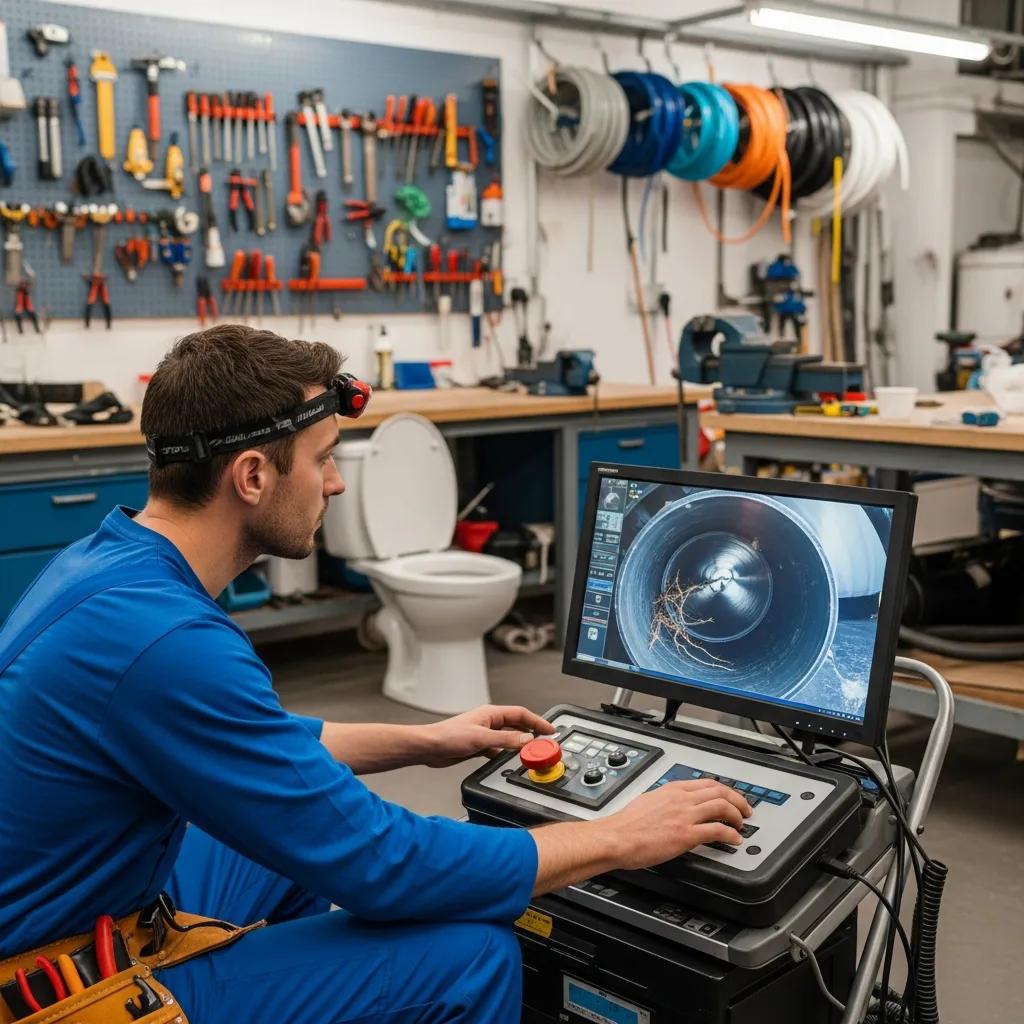
Sewer camera inspections let plumbers see inside pipes without digging. The camera reveals blockages, cracks, and root intrusion so technicians can recommend the least invasive repair — saving time, money, and your yard.
When Are Discolored Water and Persistent Clogs Signs of Pipe Damage?
Rusty water or ongoing clogs often point to corroded or damaged pipes. These problems not only reduce water quality and flow but can signal the need for repairs or partial replacement.
What Causes Rusty or Brown Water in Your Pipes?
Rust-colored water usually comes from corrosion inside older metal pipes (like galvanized steel or iron). It can affect water taste and safety. If you see discoloration, have a plumber assess whether repair or replacement is needed.
How Do Slow Drains Signal Deeper Plumbing Problems?
Slow drains that don’t respond to basic clearing methods suggest a bigger blockage or pipe damage. Persistent drainage issues merit a professional inspection to find and fix the underlying cause.
Recognizing these signs early and acting quickly helps you avoid bigger damage and more costly repairs. If you notice any of the issues above, reach out to Anytime Rooter & Plumbing for fast, professional emergency pipe repair.
Frequently Asked Questions
What should I do if I suspect a hidden water leak?
Start by checking your water meter and recent bills for unexplained increases. Look for damp spots, peeling paint, or musty odors. If you see signs or suspect a leak, call a licensed plumber to run detection tests and make repairs before the problem grows.
How can I prevent pipe damage during winter?
Insulate exposed pipes, especially in unheated areas like attics and crawl spaces. Keep your home heater on at a safe, steady temperature and let faucets drip during extreme cold to keep water moving. Seal exterior cracks that let cold air reach pipes. These steps reduce the risk of freezing and bursting.
What are the long-term effects of ignoring plumbing issues?
Ignoring leaks and other plumbing problems leads to bigger repairs, mold growth, structural damage, higher water bills, and lower property value. Small issues compound over time — fixing them early saves money and protects your home’s health.
How often should I have my plumbing system inspected?
We recommend an annual plumbing check, and more often for older homes or if you’ve had recurring problems. Regular inspections catch wear, corrosion, and leaks early so you can avoid emergencies.
What are the benefits of using a professional plumbing service?
Professional plumbers bring experience, licensed training, and specialized tools to diagnose and fix problems right the first time. They offer warranties, ensure repairs meet code, and help prevent repeat issues — giving you peace of mind and long-term value.
What should I look for when choosing a plumbing service?
Choose a company with local experience, positive reviews, proper licensing, and insurance. Ask about emergency response times, warranties, and transparent pricing. A reliable plumber will explain the issue and the best options clearly before starting work.
Conclusion
Knowing the warning signs of plumbing trouble helps you act before a small problem becomes a major expense. If you see sudden flooding, low pressure, discolored water, or persistent noises, don’t wait — contact a professional. Anytime Rooter & Plumbing offers experienced, fast response for emergency pipe repair to keep your home safe and dry.