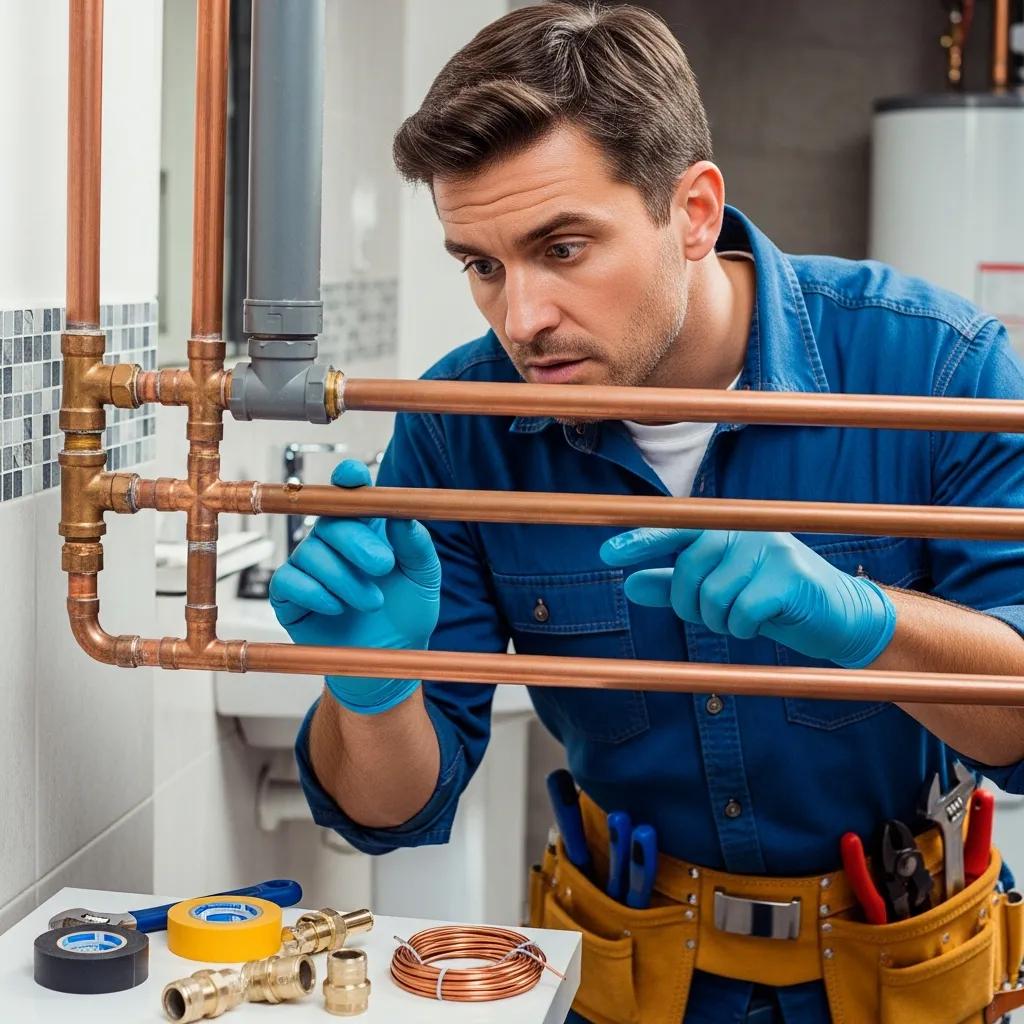
Top Signs Your Home’s Pipes Need Immediate Repair or Replacement — Act Today
Spotting the warning signs that your plumbing needs immediate attention can save you time, money, and a lot of stress. This guide walks you through the most common indicators of failing pipes so you can catch problems early — before they turn into major water damage. We cover symptoms like low water pressure, rusty or discolored water, strange noises, and when it’s time to call in professional plumbing help.
What are the most common signs that your home’s pipes are damaged?
Knowing what to look for helps you stop small issues from becoming big repairs. Look for things like weak water flow, tinted or rusty water, and sudden spikes in your water bill. Catching these signs early often means a simpler, less expensive fix.
How can low water pressure point to blockages or leaks?
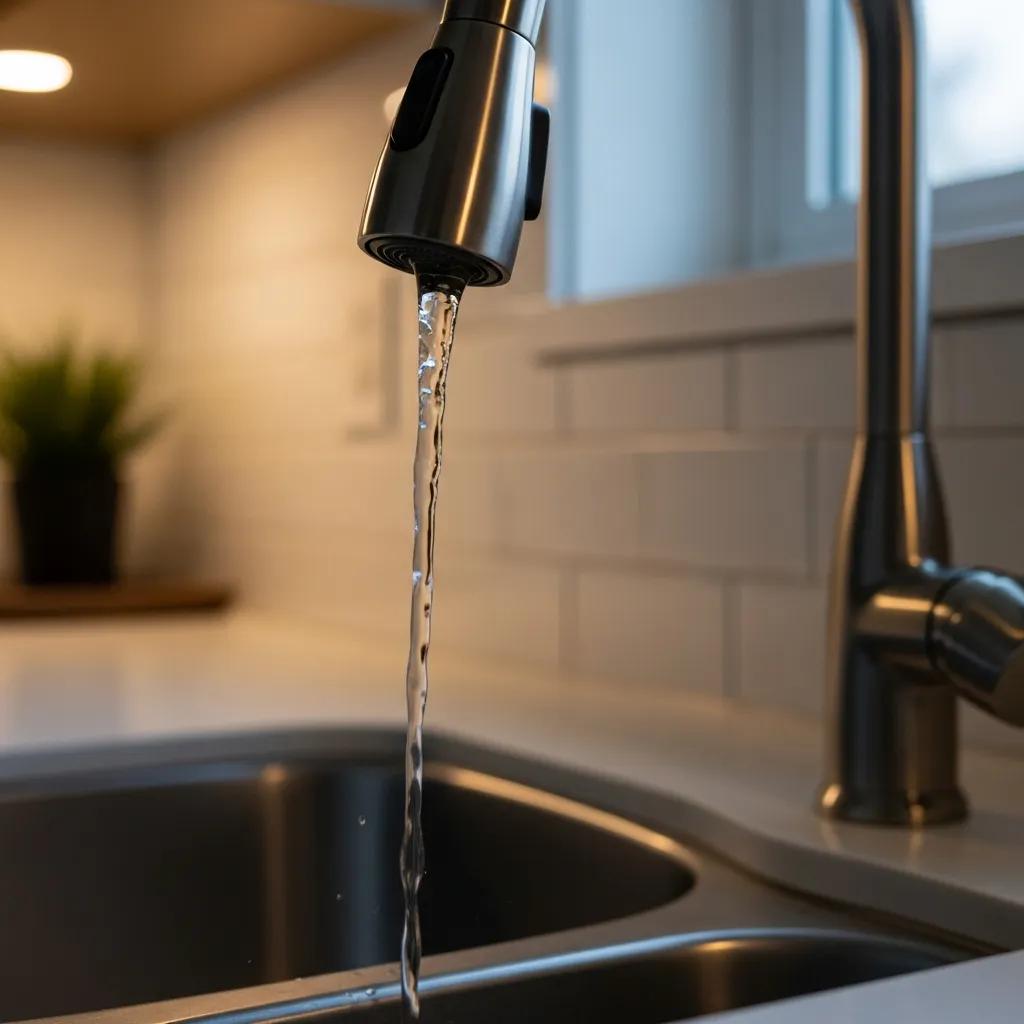
Low water pressure is a common clue that something’s restricting flow — either mineral buildup, debris, or a hidden leak. If your faucets or shower suddenly feel weak, check aerators and showerheads first. If pressure stays low across the house, that’s a stronger sign you should investigate the pipes or call a pro.
What does discolored or rusty water tell you about corrosion?
Brown, red, or metallic-tasting water often means pipe corrosion. As pipes age, rust particles can wash into your water supply, affecting color and taste and potentially posing health worries. If you notice discoloration, schedule an inspection to find the source and prevent further damage.
How can you find hidden leaks — and why they matter?
Hidden leaks quietly cause mold, ruined drywall, and structural damage. Spotting them early is key. Watch for stains, damp patches, or a steady increase in your water bill as signs something is leaking where you can’t immediately see it.
What should you watch for with water stains, damp spots, and mold?
Stains on ceilings or walls, soft spots in flooring, and visible mold are often the first signals of a concealed leak. These conditions create the right environment for mold, which is a health concern. Inspect moisture-prone areas like bathrooms, kitchens, and basements regularly.
How do unexplained high water bills point to hidden problems?
If your household habits haven’t changed but your water bill jumps, a hidden leak could be the culprit. Keep an eye on usage and compare readings over time — an unexplained rise usually means it’s time to hunt for a leak.
What are the visible signs of pipe corrosion and material breakdown?
Corrosion and material wear can lead to leaks and failures if left alone. Visible rust, flaking, or crumbling pipe surfaces are clear warnings. Knowing the age and type of your pipes also helps decide whether repair or replacement is the smarter choice.
How do you spot visible pipe corrosion and flaking?
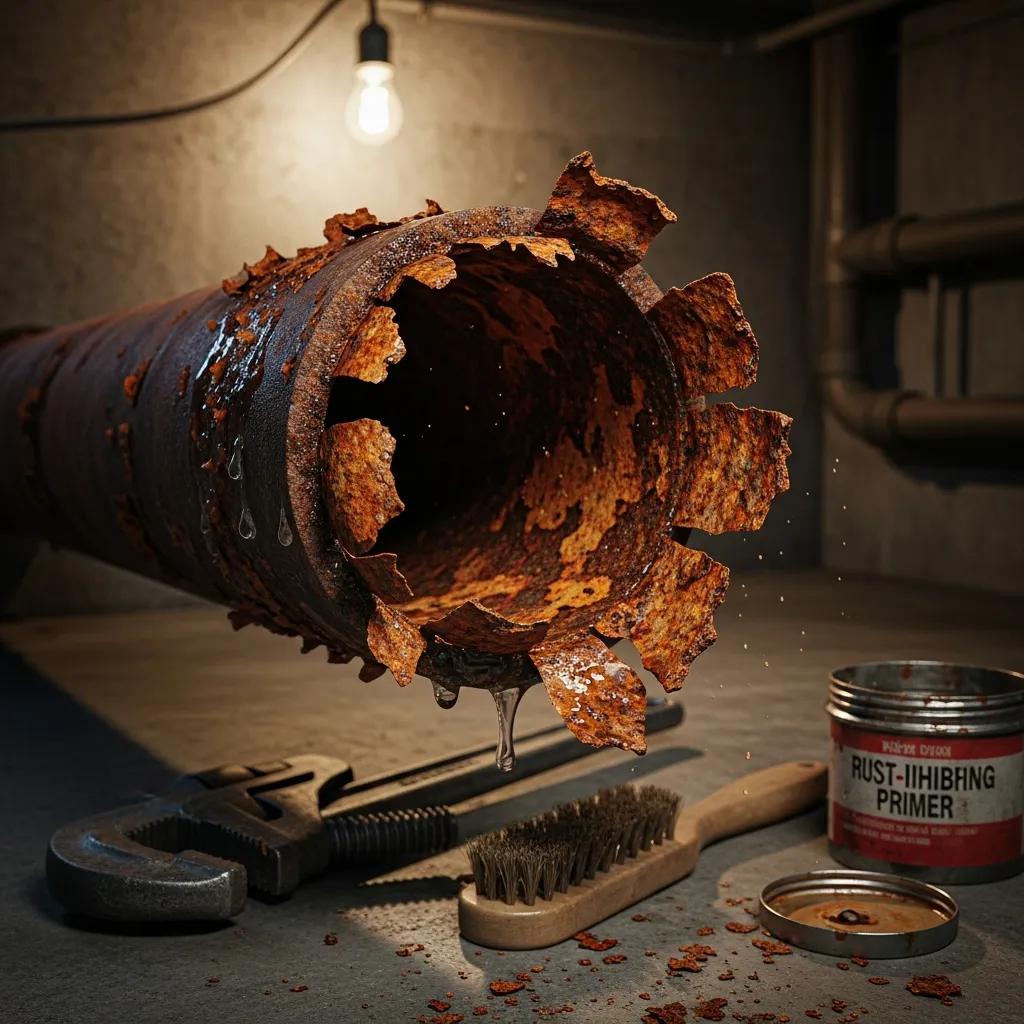
Look for rust-colored deposits, flaky metal, or weakened joints on exposed pipes. These signs show the pipe’s integrity is compromised and that leaks or failures are more likely. Older homes should be checked more often for these issues.
When does pipe age and material mean it’s time to replace them?
Some materials don’t last forever. Galvanized steel and lead pipes are prone to corrosion over decades; if your plumbing is 40 years or older, upgrading to materials like PVC or copper can reduce future problems and improve water quality.
Which unusual noises and odors signal plumbing trouble?
Odd sounds and bad smells coming from your plumbing usually mean a problem that needs attention. Banging, whistling, gurgling, or persistent sewer-like odors are all red flags.
What do banging, whistling, or gurgling sounds indicate?
Banging or whistling often points to water hammer or pressure issues, which can strain fittings and joints. Gurgling usually means a drainage blockage or venting problem. If these noises don’t go away, have a professional evaluate the system.
How can foul odors reveal sewer gas or mold problems?
Persistent sewer smells can mean a broken seal, venting issue, or sewer line concern — all of which can be hazardous. Musty odors may indicate hidden mold from chronic moisture. Don’t ignore lingering smells; investigate them promptly.
When should you call a professional for emergency pipe repair or replacement?
Knowing when to call a licensed plumber can prevent a bad situation from getting worse. Immediate action is needed for things like burst pipes, heavy leaks, or ongoing sewage backups.
What are the emergency signs that need an immediate plumbing response?
Signs requiring an emergency call include sudden, large leaks, a burst pipe, or sewage backing into your home. These problems can cause rapid, severe damage — stop the water if safe and call for help right away.
How do you choose between repairing a pipe and replacing it?
Deciding whether to repair or replace depends on the damage, the pipe’s age, and long-term cost. Small, isolated problems can often be repaired. Widespread corrosion, frequent leaks, or very old piping usually makes replacement the smarter, more reliable investment. A professional inspection will clarify the best path forward.
How does preventative maintenance help your pipes last longer?
Routine care extends the life of your plumbing and keeps small issues from becoming emergencies. Simple checks and periodic maintenance can save you significant expense and hassle over time.
Which routine checks catch early pipe damage?
Regularly inspect exposed pipes for corrosion, watch water pressure for sudden drops, and check behind appliances for leaks. Early detection means simpler fixes and less disruption.
What maintenance practices prevent common pipe problems?
Flush your water heater, clean slow drains, and use strainers in sinks to prevent buildup. Consider water softening if you have hard water, and schedule professional inspections to catch hidden issues before they escalate.
If you need fast help, Anytime Rooter and Plumbing provides 24/7 emergency service across Marina Del Rey and Los Angeles County. Our full range of plumbing services includes expert pipe repair and replacement to keep your home safe and running smoothly.
Frequently Asked Questions
What should I do if I notice a sudden drop in water pressure?
First, check for obvious leaks and look at faucets and showerheads for clogs. If only one fixture is affected, clean the aerator or showerhead. If pressure is low throughout the house, shut off water to vulnerable areas and call a plumber — that widespread drop often points to a pipe or supply issue.
How can I prevent pipe corrosion in my home?
Keep your water’s chemistry balanced, use a water softener if minerals are high, and inspect pipes regularly for early signs of wear. Proper ventilation in moisture-prone areas also helps. Scheduling periodic professional checks can catch corrosion before it becomes a leak.
What are the risks of ignoring plumbing issues?
Leaving plumbing problems unaddressed can lead to major water damage, mold growth, and expensive structural repairs. Small leaks often get worse, and persistent issues can lower indoor air quality and increase long-term repair costs. Prompt action protects your home and health.
How often should I have my plumbing inspected?
We recommend a professional inspection at least once a year. Older homes or properties with known plumbing issues should be checked more often. Also consider inspections after major weather events or if you notice changes like water discoloration or pressure shifts.
What are the benefits of upgrading old pipes?
New pipes improve water quality, reduce leak risk, and increase system reliability. Modern materials like PVC and copper resist corrosion better than older options, which can lower repair costs, reduce water waste, and add value to your home.
Can I perform plumbing repairs myself, or should I hire a professional?
Simple tasks like tightening a fitting or clearing a minor clog can be DIY for handy homeowners. But for major leaks, pipe replacements, or anything involving the main line or sewer, hire a licensed plumber. Professional work ensures safety, code compliance, and long-term reliability.
Conclusion
Recognizing and addressing plumbing warning signs early keeps your home safe and avoids costly repairs. Pay attention to low pressure, discolored water, strange sounds, and unexplained moisture — and don’t hesitate to schedule a professional inspection. Our team at Anytime Rooter and Plumbing is ready to help you protect your home.