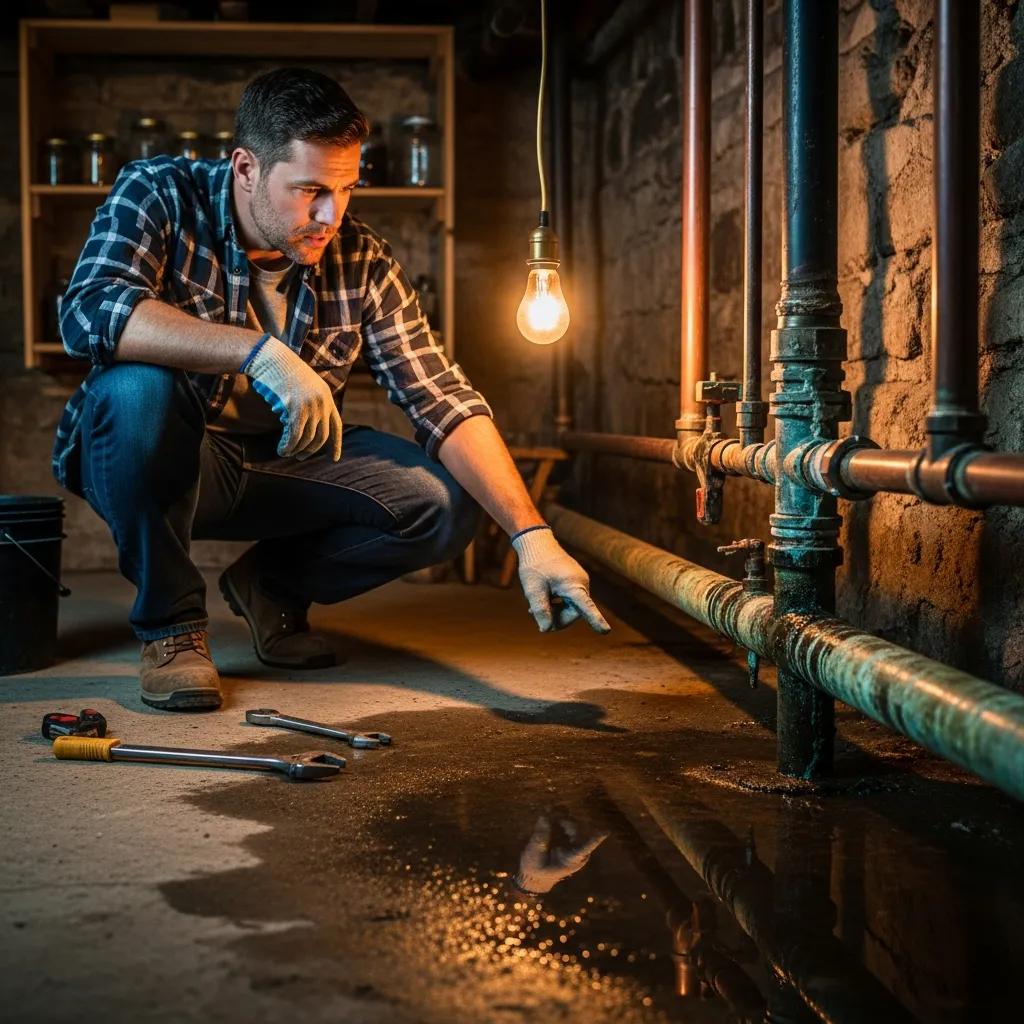
Top 5 Warning Signs Your Plumbing Pipes May Need Urgent Replacement Today: How to Spot Failing Pipes and When to Take Action
Spotting early signs of failing pipes can save you from major headaches — and big repair bills. Below we walk through the five most common warning signs that your plumbing may need urgent replacement. Use this guide to decide when to call a professional and protect your plumbing system. Ignoring these signals can lead to costly water damage, mold, and more extensive repairs. We’ll cover the typical symptoms, when replacement is the smarter choice, how frequent leaks or noisy pipes matter, and why visible corrosion is a red flag.
What Are the Most Common Signs of Failing Plumbing Pipes?
Keeping an eye out for a few key symptoms helps you catch pipe problems before they get worse. Early recognition often means an easier fix — sometimes a repair, sometimes a full replacement. Look for these common signs:
- Discolored Water: Brown, yellow, or rusty water coming from the tap is often a sign of pipe corrosion or rust inside the lines.
- Low Water Pressure: A sudden or persistent drop in pressure can point to leaks, scale buildup, or partial blockages in the system.
- Frequent Leaks: Repeated leaks — especially in different spots — usually mean the system is failing rather than a single isolated issue.
- Noisy Pipes: Banging, gurgling, or hissing noises can signal trapped air, water hammer, loose sections, or other internal problems.
- Visible Corrosion: Rust, flaking, or obvious wear on exposed pipes is a clear indication they’re degrading and may soon fail.
How Does Discolored Water Indicate Pipe Corrosion?
Discolored water typically means metal or sediment is entering the water as pipes break down. Corroding pipes can release iron and other particles that tint your water and affect taste. While one-off discoloration might clear up after flushing, persistent color — especially with odd odors — warrants a plumber’s inspection. It can be a sign that repair or replacement is needed.
What Does Low Water Pressure Reveal About Pipe Condition?
Low pressure can come from several sources: leaks, narrowed pipe interiors from mineral buildup, or partial blockages. It reduces appliance performance and wastes time and energy. If simple fixes (like aerator cleaning) don’t restore normal pressure, have a pro check your pipes to determine whether repairs or replacement are necessary.
When Should You Replace Old Plumbing Pipes?
Deciding to replace pipes depends on age, condition, and repair history. Replacement is often the smarter long-term option when pipes are old, failing often, or causing secondary damage. These indicators help you know when it’s time to consider a full replacement.
How to Identify Indicators of Old Plumbing Needing Replacement
Watch for these practical signs that your plumbing may be past its prime:
- Age of Pipes: Pipes over 50 years old — especially galvanized steel or lead — should be evaluated for replacement.
- Frequent Repairs: If you’re calling a plumber regularly, replacement often costs less over time than repeated fixes.
- Increased Water Bills: A sudden or steady rise in your water bill can point to hidden leaks or inefficiencies from aging pipes.
What Are the Lifespans of Common Pipe Materials Like Galvanized Steel, Copper, and PEX?
How Do Frequent Leaks Signal Urgent Pipe Repair Needs?
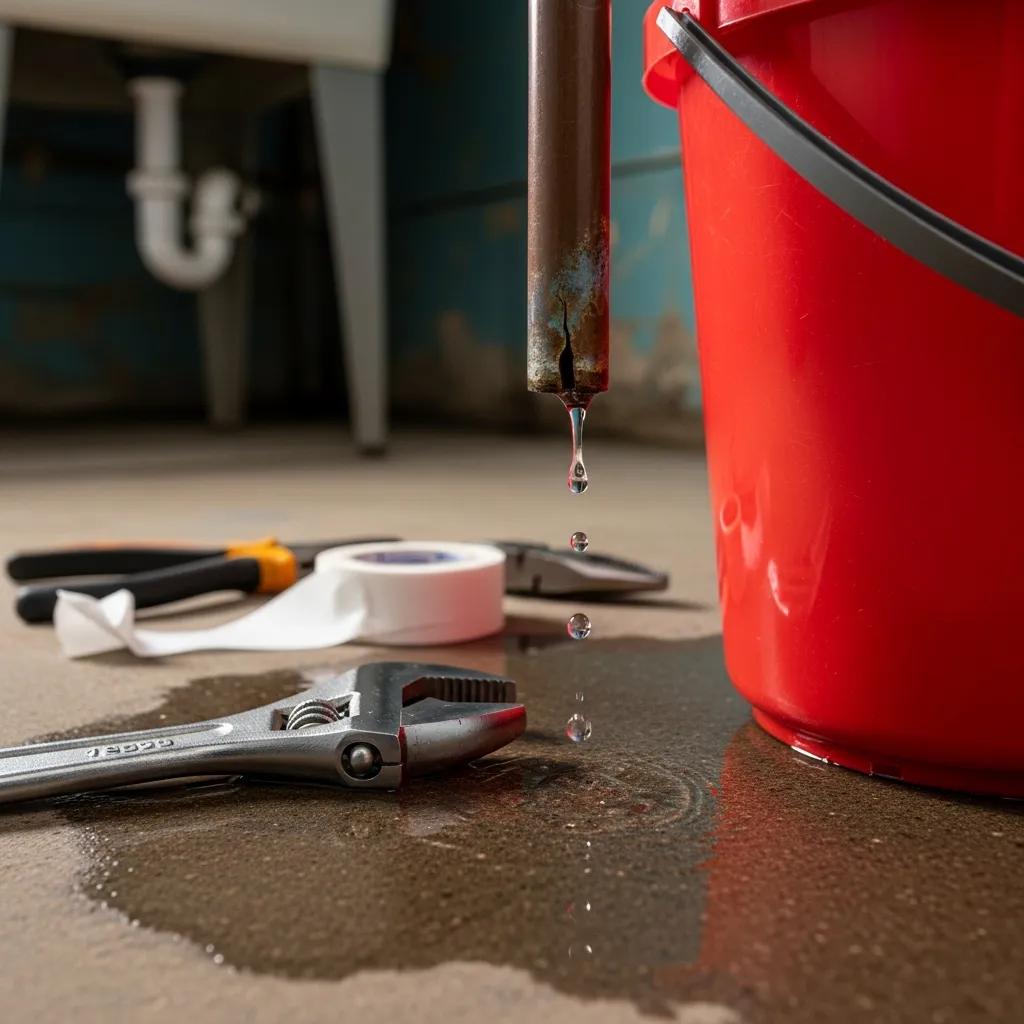
Repeated leaks are more than nuisance repairs — they often point to systemic failure. Left unchecked, leaks cause hidden water damage, mold, and mounting repair costs. It’s important to tell the difference between a one-off fitting leak and a plumbing system that’s breaking down.
What Are the Differences Between Minor Leaks and Systemic Pipe Failures?
- Multiple Leak Locations: Leaks popping up in several areas usually mean the whole system is compromised, not just one bad joint.
- Water Damage: Stains, warped floors, or ceiling damage are signs of persistent leaks and possible hidden failures.
- Increased Repair Frequency: If fixes are temporary and problems return, replacement may be the more cost-effective, long-term solution.
How Can Frequent Leaks Lead to Water Damage and Increased Costs?
Unattended leaks soak building materials, promote mold, and can damage insulation and structure. That turns small repairs into major restoration jobs. Address leaks quickly and schedule periodic inspections so small issues don’t become emergencies.
What Do Noisy Pipes Indicate About Plumbing Health?
Piping isn’t supposed to be loud. Unusual sounds are useful clues that something’s wrong inside the walls or under the floors. Knowing what the noises mean helps you decide whether professional service or replacement is needed.
Which Pipe Noises Suggest Water Hammer or Loose Pipes?
- Banging Sounds: Usually water hammer — a pressure surge when flow stops suddenly.
- Gurgling Noises: Often caused by trapped air or drainage blockages.
- Hissing Sounds: Can indicate a small leak or unusually high pressure.
How Can Noisy Pipes Be a Warning Sign for Replacement?
Persistent or worsening noise can mean underlying damage or failing pipe supports. If noises continue after basic fixes, have a professional inspect the system — it may reveal corrosion or other issues that point to replacement.
How Does Visible Corrosion or Damage Affect Pipe Integrity?
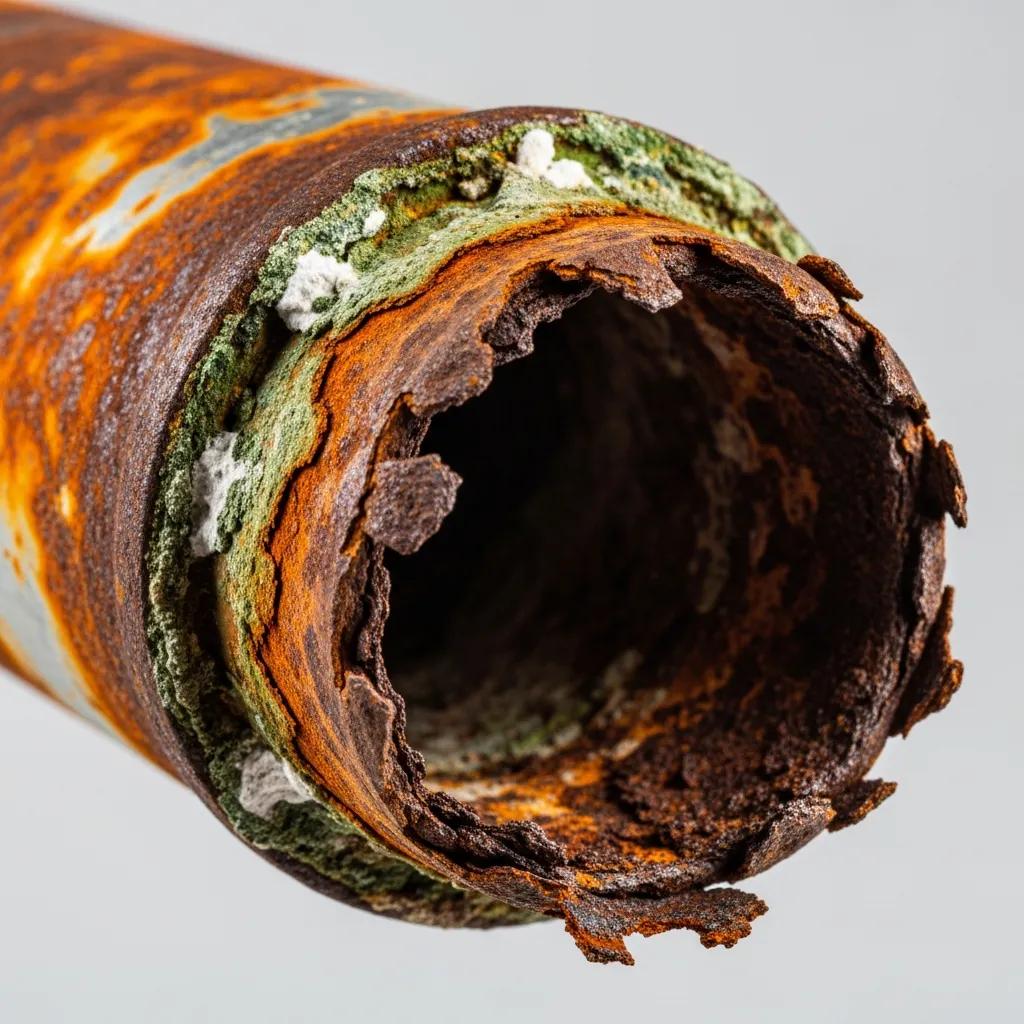
Visible corrosion, pinholes, or flaking on pipes are clear indicators the materials are breaking down. Regular visual checks in basements, crawl spaces, and utility areas help you spot trouble before it becomes a leak or failure.
Where to Look for Signs of Pipe Corrosion and Deterioration
- Exposed Pipes: Inspect basement and crawl-space lines for rust, discoloration, or flaky metal.
- Pipe Fittings and Joints: Check joints and connections — these are common weak points.
- Water Stains: Watch walls and ceilings for stains that suggest hidden leaks.
What Are the Risks of Ignoring Visible Pipe Damage?
Putting off visible repairs risks:
- Water Damage: Small failures can quickly become major problems that damage floors, walls, and belongings.
- Health Hazards: Ongoing moisture encourages mold, which can affect indoor air quality and health.
- Increased Repair Costs: The longer you wait, the higher the repair and restoration bills become.
Take visible damage seriously and contact a plumbing professional to evaluate your options.
What Steps Should You Take When You Spot Warning Signs in Your Plumbing?
Acting quickly reduces the chance of major damage. Follow these steps when you notice warning signs:
- Contact a Professional: Book an inspection so a licensed plumber can assess the problem and recommend next steps.
- Document Issues: Take photos and notes of leaks, stains, or noises — this helps diagnose the issue and track progress.
- Consider Replacement Options: Discuss short- and long-term solutions with your plumber, especially if pipes are old or repeatedly failing.
Why Is Professional Inspection Essential for Pipe Replacement Decisions?
A professional inspection uncovers hidden damage and pinpoints the cause of symptoms you see or hear. An experienced plumber provides a clear plan — repair where possible, replace where necessary — which can save time and money over guessing.
How Can Anytime Rooter & Plumbing Help with Emergency Pipe Repair and Replacement Services?
Anytime Rooter & Plumbing offers 24/7 emergency service, including hydrojetting, drain cleaning, and full pipe repair and replacement. We prioritize transparent pricing, clear recommendations, and fast response so you can make the right choice for your home. When time matters, our team is ready to assess and resolve the issue.
Frequently Asked Questions
What are the potential health risks associated with corroded pipes?
Corroded pipes can introduce metals and contaminants into your water. Lead — from older piping — is especially dangerous, particularly for children and pregnant people. Rust and sediment can also affect water quality and taste. If you suspect corrosion, stop using the water for drinking and call a plumber to test and recommend solutions.
How can I prevent plumbing issues before they arise?
Preventive care goes a long way: schedule regular inspections, keep drains clear of grease and debris, insulate pipes in cold areas, and avoid harsh chemical cleaners that can damage pipes. Simple upkeep and early professional checks help avoid emergency repairs.
What should I do if I notice a sudden increase in my water bill?
A jump in your water bill often means a leak. First, check visible fixtures and toilets. If nothing is obvious, run a water meter test or contact a plumber to find hidden leaks. Fixing leaks quickly will stop wasted water and reduce ongoing costs.
Are there specific maintenance tips for different pipe materials?
Yes. Inspect copper for greenish or dark spots that indicate corrosion; consider replacing galvanized steel if rust is widespread; and check PEX for kinks or UV exposure if installed outdoors. A plumber can advise maintenance and replacement options based on your home’s materials.
How can I identify if my plumbing system is outdated?
Look at the pipe material and age: systems older than about 50 years, or those using lead or galvanized steel, are likely due for replacement. Frequent repairs, persistent low pressure, and recurring leaks are also signs your system may be outdated and in need of an upgrade.
What are the benefits of upgrading to modern plumbing materials?
Modern materials like PEX and newer copper offer better corrosion resistance, easier installation, and improved flow. Upgrading reduces leak risk, improves water quality and pressure, and can increase your home’s value. It’s an investment that cuts future headaches and repair bills.
Conclusion
Knowing the top warning signs — discolored water, low pressure, frequent leaks, noisy pipes, and visible corrosion — helps you act before small issues turn into major problems. When in doubt, get a professional inspection. Prompt action protects your home and your wallet. If you see any of these signs, contact a trusted plumber to assess your pipes and discuss the best next steps.